
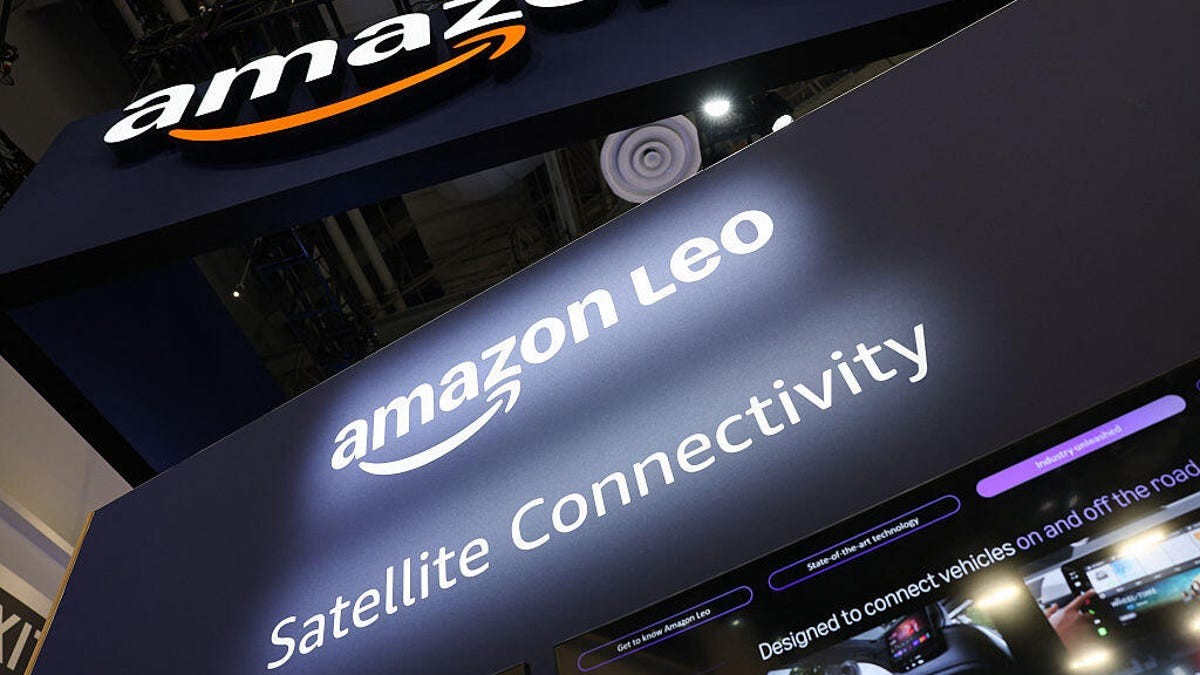
Amazon is making a massive leap into the space race, signaling its intention to challenge SpaceX’s dominance in satellite connectivity. Through a reported $11.6 billion deal to acquire satellite provider Globalstar, Amazon aims to supercharge its “Leo” (Low Earth Orbit) project and secure a critical foothold in the direct-to-device market.
Strengthening the Leo Infrastructure
The acquisition focuses on bringing Globalstar’s entire satellite infrastructure, assets, and operations under the Amazon umbrella. Currently, the Louisiana-based Globalstar operates 24 satellites, with plans to expand that fleet to 32 by the end of this year.
This move is a strategic pivot for Amazon’s satellite division, formerly known as Project Kuiper. By integrating Globalstar’s proven technology, Amazon hopes to accelerate its ability to provide seamless connectivity to users in remote areas where traditional cellular towers cannot reach.
The Apple Connection: A Critical Link
One of the most significant aspects of this deal is its impact on the Apple ecosystem. Globalstar is currently the backbone for Apple’s emergency satellite features, which allow iPhone 14 and newer models, as well as the Apple Watch Ultra 3, to:
– Send emergency SOS texts.
– Request roadside assistance.
– Share locations and message loved ones during natural disasters.
Under the new agreement, Amazon’s Leo service will take over powering these essential services for iPhone and Apple Watch users. This creates a unique technological intersection where Amazon’s orbital infrastructure will directly support Apple’s most popular consumer devices.
The Race Against Starlink
This acquisition is a direct challenge to Elon Musk’s Starlink, which currently leads the industry with over 10,000 satellites in orbit. While Starlink already provides high-speed internet to smartphones, vehicles, and appliances, Amazon is betting on a different technological approach.
Amazon claims that once Leo is fully operational, it will offer higher spectrum efficiency than traditional direct-to-cell systems, potentially offering a more robust or cost-effective alternative to existing satellite-to-phone technologies.
Hurdles and Deadlines
Despite the ambitious scale of the deal, Amazon faces significant logistical and regulatory challenges:
- Deployment Delays: While Amazon hopes to reach “billions of customers,” CEO Andy Jassy recently noted that Wi-Fi services for businesses and governments likely won’t launch until mid-2026.
- The FCC Deadline: Amazon is under pressure from the Federal Communications Commission (FCC) to have 1,600 satellites in orbit by July. Currently, the company has only deployed 250. Amazon has requested an extension, but the agency has yet to grant it.
- Regulatory Approval: The Globalstar acquisition is not expected to close until 2027, pending various regulatory hurdles.
Future Commercial Applications
The long-term vision for Leo extends beyond smartphones. Amazon has already secured partnerships with major airlines, including Delta Air Lines and JetBlue, which plan to use Leo to provide in-flight connectivity for passengers.
“Leo will power satellite services for iPhone and Apple Watch, including Emergency SOS via satellite,” Amazon stated, highlighting the immediate utility of the deal for consumer electronics.
Conclusion
By acquiring Globalstar, Amazon is attempting to leapfrog the technical hurdles of its Kuiper project to compete directly with SpaceX. If successful, this move will transform Amazon from a retail giant into a critical backbone of global telecommunications, linking everything from iPhones to commercial aircraft.