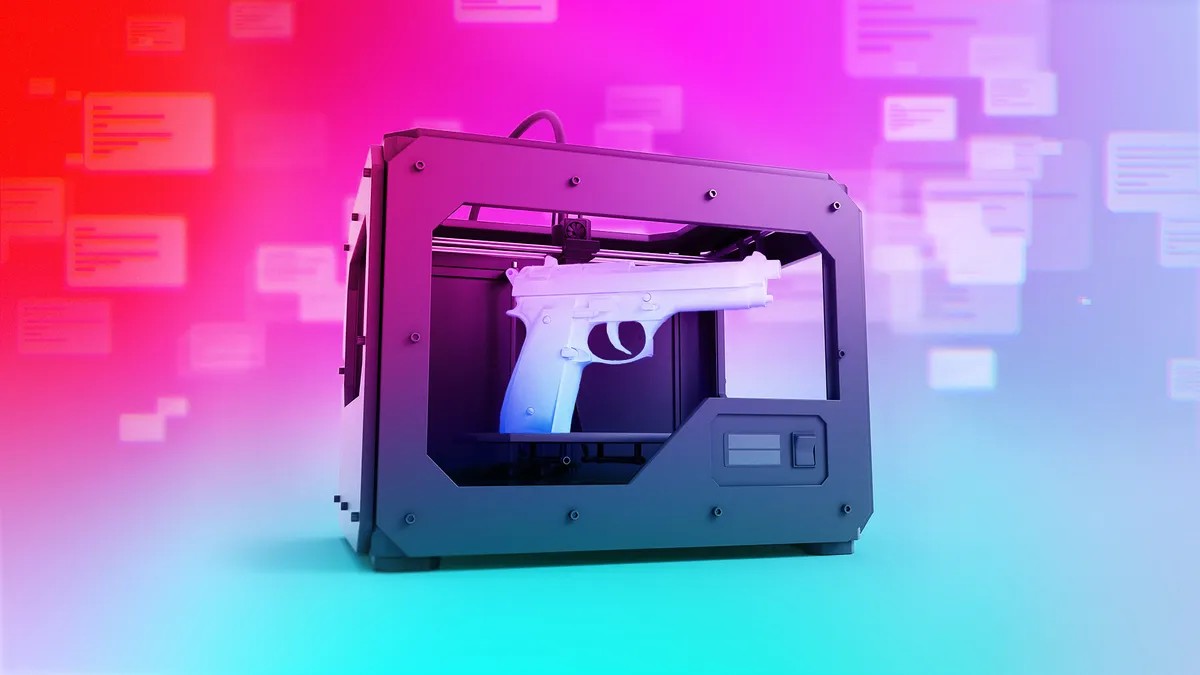
The rapid rise of consumer-grade 3D printing has brought high-tech manufacturing into the average household. While this technology fuels innovation in art, engineering, and hobbyism, it has also triggered a legislative crackdown. Lawmakers are increasingly focused on the production of “ghost guns” —firearms or weapon components manufactured without serial numbers, making them nearly impossible to track through traditional law enforcement channels.
The Legislative Push
Several U.S. states, including California, New York, Colorado, and Washington, are currently introducing bills designed to curb the untraceable manufacturing of firearms. The core objective of these legislative efforts is to close the loophole that allows individuals to bypass the background checks and registration processes required for commercially produced weapons.
However, the specific language used in these proposed laws has raised significant alarms within the maker community. Critics argue that the legislation is overly broad and may inadvertently penalize the technology itself rather than the individuals committing crimes.
Proposed Restrictions and Technical Hurdles
The current bills suggest several methods of control, though many face significant practical and technical skepticism:
- Software Interventions: Some proposals suggest requiring 3D printer manufacturers to integrate software capable of recognizing and blocking the printing of illegal firearm components.
- Mandatory Background Checks: Other legislative paths suggest that the purchase of a 3D printer itself should be subject to background checks, similar to the purchase of a firearm.
The central tension lies in feasibility. Currently, no software exists that can reliably distinguish between a legitimate mechanical part and an illegal firearm component during the printing process. This raises a critical question for policymakers: Can these laws be enforced without infringing on the rights of law-abiding hobbyists and engineers?
Why This Matters
This debate represents a fundamental clash between public safety and technological freedom.
On one side, regulators see a growing, untraceable arsenal that poses a threat to law enforcement and public security. On the other, the maker community sees a “tool-based” approach to regulation—where the machine is treated as the culprit—as a dangerous precedent that could stifle innovation and restrict access to legitimate manufacturing technology.
As these bills move through various state legislatures, the conversation is shifting from whether 3D printing should be regulated to how it can be regulated without overreaching.
The tension between regulating dangerous outputs and protecting the tools used to create them remains the defining challenge of this legislative era.
Community Input Requested: To better understand the impact of these potential laws, a survey has been organized to gather perspectives from 3D printing enthusiasts, professionals, and concerned citizens. Whether you are a seasoned maker or simply an observer of the technology, your input is vital to understanding how these regulations will shape the future of decentralized manufacturing.