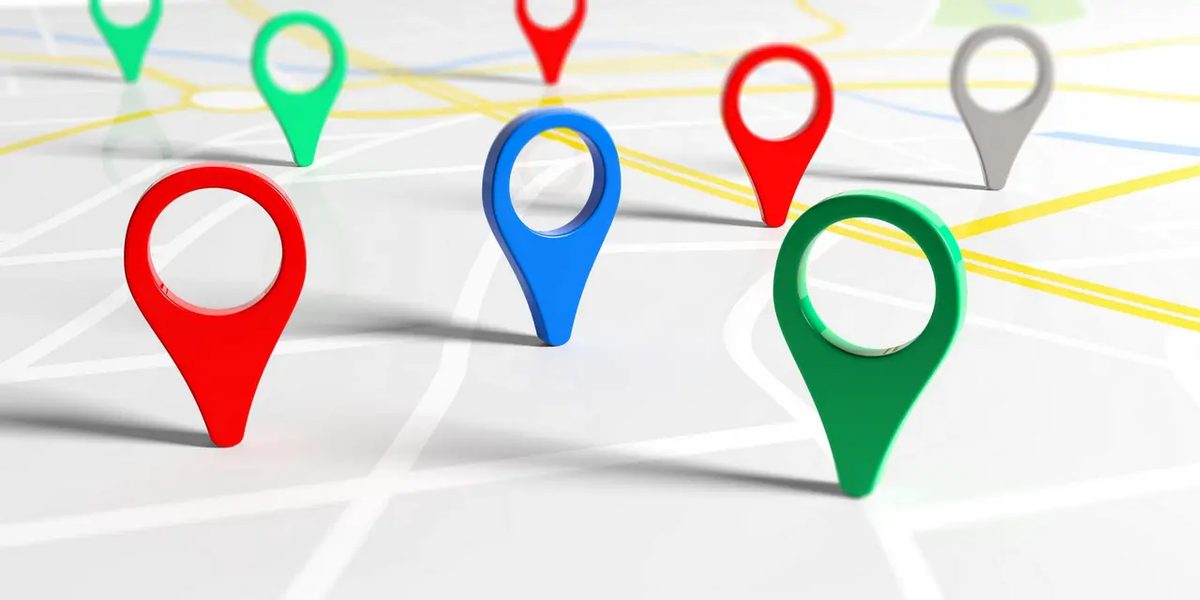
Geofencing is a location-based technology that creates a virtual perimeter. It tracks the movement of objects or people within that defined boundary. You have likely encountered it without realizing it. The system uses GPS coordinates to monitor a specific area. When a device crosses that virtual line, it triggers an action.
This technology is not new. Fleet managers have used it for years. They set up zones to track vehicles. If a truck leaves its designated route, the manager gets an alert. It is simple. It is effective. But the applications have expanded far beyond logistics.
Protecting Airspace with Geofencing and Drones
The boom in consumer drones changed everything. Suddenly, anyone could fly a small camera in the sky. That created a safety problem. Governments and regulators needed a way to keep drones away from airports, prisons, nuclear plants, and government buildings. They needed to create no-fly zones.
Manufacturers responded by integrating geofencing into drone software. They updated their flight apps with lists of sensitive locations. These are the places where flying is restricted or prohibited. If you try to take off near a sensitive site, the software stops you.
The process is automatic. The drone’s GPS detects its proximity to a restricted zone. It sends an alert to the pilot. In many cases, the takeoff is blocked entirely. This prevents accidents before they happen. It keeps the skies safe for manned aircraft and protects critical infrastructure. You do not have to manually check a map. The technology handles it for you.
Marketing: Using Geofencing to Target Customers
Smartphones have GPS built-in. Most people carry them everywhere. Marketers realized they could use this constant connectivity to their advantage. They started using geofencing for advertising. It is a way to reach people when they are physically near a store.
Brands create virtual fences around their physical locations. When a customer with a specific app enters that zone, the system can trigger a notification. This might be an SMS with a discount code or a push notification about a sale. The key is consent. The user must have agreed to receive these messages through the app.
This strategy works best in retail, tourism, and restaurants. Imagine walking past a clothing store. Your phone buzzes with a 20% off coupon for the items inside. That is geofencing in action. It turns foot traffic into potential sales. It is highly specific. It targets people who are already in the mood to shop.
Why It Matters for Everyday Users
For most people, geofencing is a background utility. It keeps drones off airport runways. It delivers a coupon for coffee when you walk by a cafe. It helps companies manage their assets. But it also raises questions about privacy.
The same technology that prevents a drone crash can also track your movements. If you opt-in to marketing notifications, you are essentially allowing a brand to know when you are near their store. You can usually opt out, but the default setting often leans toward convenience over privacy.
The technology is here to stay. It is becoming more precise. It is integrating with other data sources. You will see it used in more industries. The line between helpful automation and surveillance is thin. Understanding how it works helps you navigate a world where virtual boundaries are everywhere.