
TikTok didn’t just happen. It arrived. Founded in 2016 by ByteDance, the app has mutated into a global monster. It now boasts over 2 billion users. Every single day, they upload videos. The platform is simple: short clips. They live on iOS and Android. But don’t let the simplicity fool you. The engagement is fierce.
TikTok is no longer just a pastime. It is a primary channel for celebrity promotion and brand marketing.
The core demographic? Young people. Ages 15 to 25 dominate. They use the app to showcase talent. Dances. Humor. Artistic performances. It is a direct line to peers. In France alone, 11 million people open the app at least once a month. That is massive. Instagram Reels and Snapchat try to copy the format. They fail to stop the momentum.
Celebrities noticed early. Jessica Alba. Britney Spears. They use TikTok to talk directly to fans. No middlemen. Just raw, instant connection. That instantaneity is the value add. The company exploded in 2018. Why? Because founder Zhang Yiming acquired Musical.ly. That merger combined user bases and accelerated growth. It was a pivotal moment.
How Does TikTok Function for Creators and Brands?
So, what is the actual mechanic? You post short videos. Length matters. Most clips sit between 3 and 60 seconds. You film yourself. Or friends. Or random moments. The content variety is endless. You can attempt a choreography. Write a sketch. Create a mini-scene. The barriers to entry are low. If you can hold a phone, you can make a video.
Challenges drive the culture. Users dare each other. These challenges go viral. During the pandemic, people used these challenges to fight boredom. The algorithm pushes this content. It finds your audience.
Brands see the money in this. They use the platform as a marketing lever. They launch crazy challenges for followers. And non-followers too. The goal is visibility. Thousands of views. Sometimes millions. It works.
Recently, the rules changed. Brands can now run ads directly within the social network. This closes the loop. Discovery leads to purchase. Or at least, awareness. The platform is a pure entertainment engine. But it is also a sales funnel. The distinction is blurring.
This is how TikTok reshapes attention. It demands speed. It rewards creativity. And it keeps users scrolling. The cycle continues. What happens next remains to be seen.
Understanding the Core Mechanics
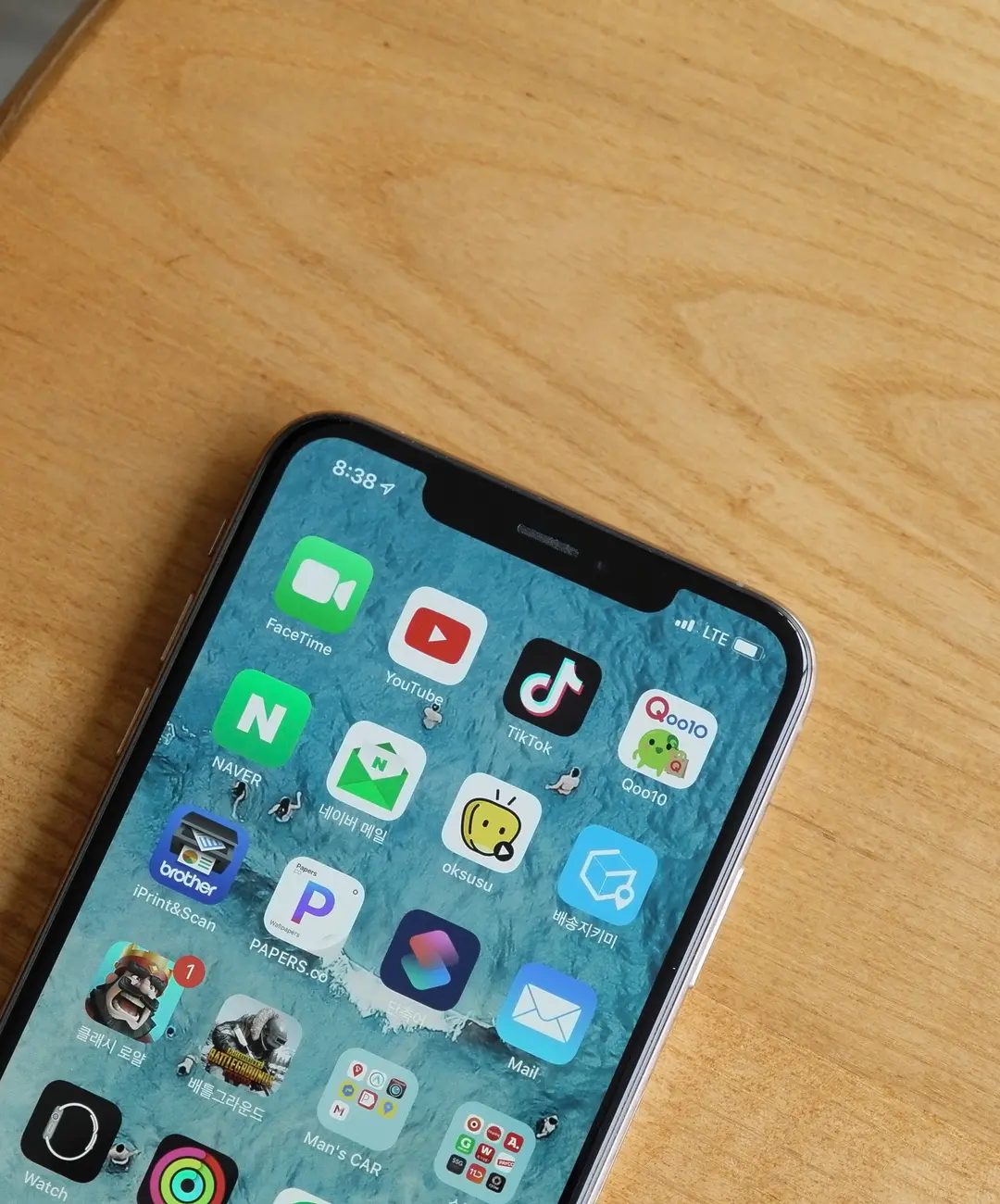
You download the app. Open it. The camera is there, waiting. It’s deceptively simple. You build a profile, scroll through an endless feed, or hit record. The interface demands little effort. You can follow accounts that catch your eye. You can post your own clips. Comments fly back and forth. Sharing sends videos directly to friends who are already on the platform.
There are direct messages too. If you want to talk privately, that’s an option. Filters add flair. They smooth out skin or add AR effects that make a mundane moment feel cinematic. Hashtags are the glue. They categorize chaos. You use them to join challenges or find content about niche hobbies.
But the real magic isn’t the tools. It’s the discovery engine. The app serves content based on what you’ve already watched. It’s a feedback loop. Watch a cooking video? You get more cooking videos. Ignore it? The algorithm pivots. You see things you wouldn’t have searched for yourself. It anticipates interest before you do.
The Data and Privacy Debate
TikTok is owned by ByteDance. That’s the pivot point for all the controversy. ByteDance is a Chinese company. Critics argue this creates a structural conflict of interest. The accusation is straightforward: personal data collection serves the Chinese government. This isn’t a minor concern. It’s a national security issue in the eyes of many Western governments.
The response has been swift and severe in some regions. India banned the app in June 2020. It didn’t just flag the content; it cut access entirely. Other countries took intermittent steps. Indonesia blocked it temporarily. Bangladesh did the same. Armenia and Pakistan also imposed restrictions. The reasoning varies, but the pattern is clear: governments are wary of the data pipeline.
The US Oracle Deal
The United States took a harder line. The Trump administration declared TikTok a threat to national security. The ultimatum was binary. Sell the American division or shut down. The choice was between independence and exit.
Oracle stepped in. The software giant didn’t just buy in. They took over the technical infrastructure for TikTok’s US operations. This was supposed to be a firewall. By housing US data on Oracle’s servers, the theory was that Beijing would lose direct access. It was a compromise. A way to keep the app alive while addressing security fears. The deal changed the technical architecture, if not the ownership.
Usage and Adoption Trends
The controversy hasn’t stopped the growth. In fact, it might have fueled it. A Harris Interactive study presented in June 2020 highlighted the scale of this adoption. By May 2020, 11 million French users were active at least once a month. Compare that to June 2019, when the number sat at 4.4 million. That’s not just growth. That’s a spike.
The numbers don’t lie. The app has penetrated deep into the market. But the structural questions remain. Data sovereignty. Algorithmic transparency. The tension between user experience and state regulation. The platform keeps evolving. The rules around it are still being written.