It was lonely, honestly.
When Lior Susan launched Eclipse Ventures in 2018—wait, no, 2015—nobody in Silicon Valley cared about the physical world. It was the age of enterprise SaaS. Digital first. Cloud forever.
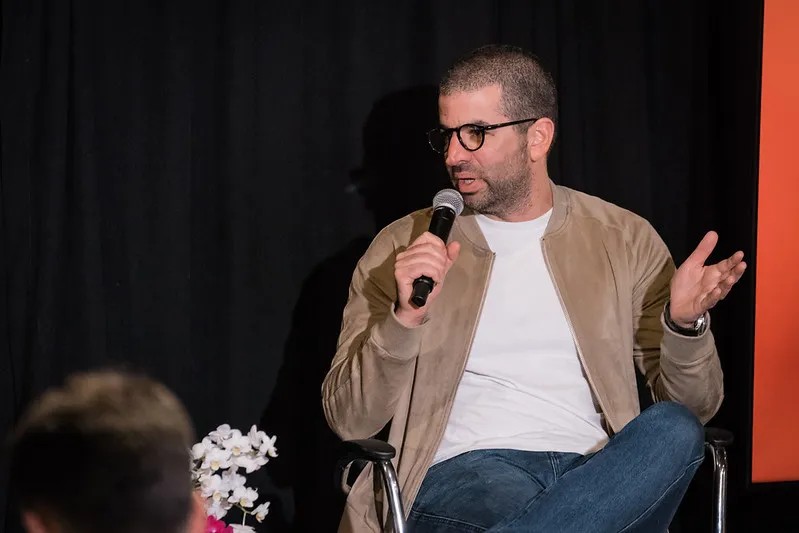
“It was the era of enterprise software… it felt fairly lonely the first couple years,” Susan told a crowd in San Francisco recently.
Fast forward. The loneliness is over.
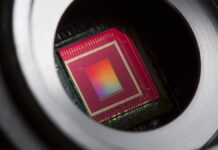
Eclipse Ventures just pulled a trick that would make any partner in town jealous. Their Series A check into Cerebras Systems was small, $6.5 million, back in 2016. Over the years they kept adding chips to the table, totaling $147 million. Cerebras went public this week.
The return?
$2.5 billion.
That is a 17x win at the $185 IPO price. The check is clear.
For Susan this isn’t just about one shiny exit. It is validation of a thesis most folks ignored: 85% of global GDP lives in the real world. If you want money, don’t just write code. Build the things the code runs on. Or build the robots.
The market seems to get it now, finally. Look at TSMC or Micron. Shares at all-time highs. Founders who used to fear hardware are suddenly eager to touch silicon. Why? Because software moats are leaking everywhere.
“I think people understand the real moat in software is gon—well, it is gone,” Susan said.
You can vibe-code anything you want today. Want a app? An LLM wrapper? Done in an afternoon. But you cannot vibe-code a semiconductor wafer.
That is the rub. Code requires no atoms. Wafers need clean rooms. They need massive machinery. They need physics to obey rules you can’t just prompt-engineer out of.
Susan noted that earlier this year, many SaaS stocks tanked. The logic? Companies might just use Anthropic or OpenAI tools to build their own bespoke software. No vendor needed. Just AI.
So what are builders building now?
Everything with a physical footprint. Robotics. Energy. Defense. Mining. Space.
The numbers for Eclipse’s portfolio tell the story of a pivot from quiet to roaring.
Last year alone, these portfolio companies raised nearly $15 billion. The momentum didn’t stop, either. Q1 2025? $4.5 billion raised in just three months.
Compare that to the firm’s first eight years. In that long stretch, the whole portfolio raised less than $4 billion. Total.
The difference is staggering.
Late-stage money is flowing into real companies. Wayve grabbed $1.2 billion. True Anomaly took $650 million. Bedrock Robotics pulled in $270 million. Oxide Computer secured $200 million. Eclipse was the Series A for all four. They are everywhere in this wave.
Is it just AI driving this? Partially. AI needs chips. AI powers modern robotics. It helps.
But Susan insists on a deeper confluence. Five forces.
- Technology (like AI).
- Capital.
- Customer demand.
- Talent moving out of pure SaaS.
- Policy.
The last one is often missed. The U.S. government isn’t ignoring these sectors. There are subsidies. Favorable regulation. Real incentives.
Susan compared it to the Henry Ford or Carnegie era. Those were moments where the industrial machinery aligned.
“This is the first time in America I believe ever… those five forces are aligned.”
He thinks this is the golden era for builders who are not afraid to get dirty. The money is here. The tech is here. The policy is here.
Everyone else is still figuring it out.