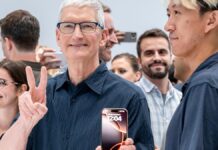
Apple is navigating a complex transition. As CEO Tim Cook prepares to hand over leadership to John Ternus, the tech giant is reporting record-breaking revenue driven by the iPhone 17 and new AI-powered Macs. However, this success comes with a significant warning: rising memory costs are set to impact the company’s bottom line and potentially consumer prices in the second half of 2026.
While Apple’s robust inventory shielded it from immediate supply shocks in the first quarter, the broader industry shortage—fueled by the insatiable demand for AI data centers—is beginning to bite. This shift raises critical questions about how Apple will balance profitability, product availability, and its aggressive AI ambitions under new leadership.
The Memory Squeeze and Supply Chain Reality
The core issue stems from a global shortage of memory chips. As tech companies rush to build infrastructure for artificial intelligence, the demand for high-end memory components has outstripped supply. This scarcity reduces the amount of memory available for consumer electronics, driving up costs for manufacturers like Apple.
Tim Cook acknowledged this during the second-quarter earnings call, noting that while Apple had sufficient stock to weather the current quarter, memory costs are expected to rise significantly beyond June.
“We believe memory cost will drive an increasing impact on our business, and we’ll continue to evaluate this,” Cook stated. “We’ll look at a range of options.”
This creates a strategic dilemma for Apple’s next leadership team. Analysts suggest the company must decide whether to absorb these costs to maintain market share or pass them on to consumers through price hikes.
Why This Matters: The AI Premium
The memory shortage is not just a generic supply chain issue; it is directly tied to Apple’s pivot toward artificial intelligence. The Mac Mini, Mac Studio, and the newly introduced MacBook Neo are particularly affected because they require substantial memory to run advanced on-device AI tools.
Customer response to these devices has been overwhelming. Cook described the demand for the MacBook Neo as “off the charts,” noting it set a record for customer engagement in the March quarter. Similarly, users are buying Mac Minis and Studios in large numbers to serve as local hosts for AI agents.
However, supply cannot currently match this demand. Cook indicated that it may take several months for the supply of these AI-focused computers to recover. This bottleneck highlights a broader trend: AI capabilities are becoming the primary driver of hardware sales, but the physical components required to support them are becoming scarcer and more expensive.
Record Revenue Amidst Transition
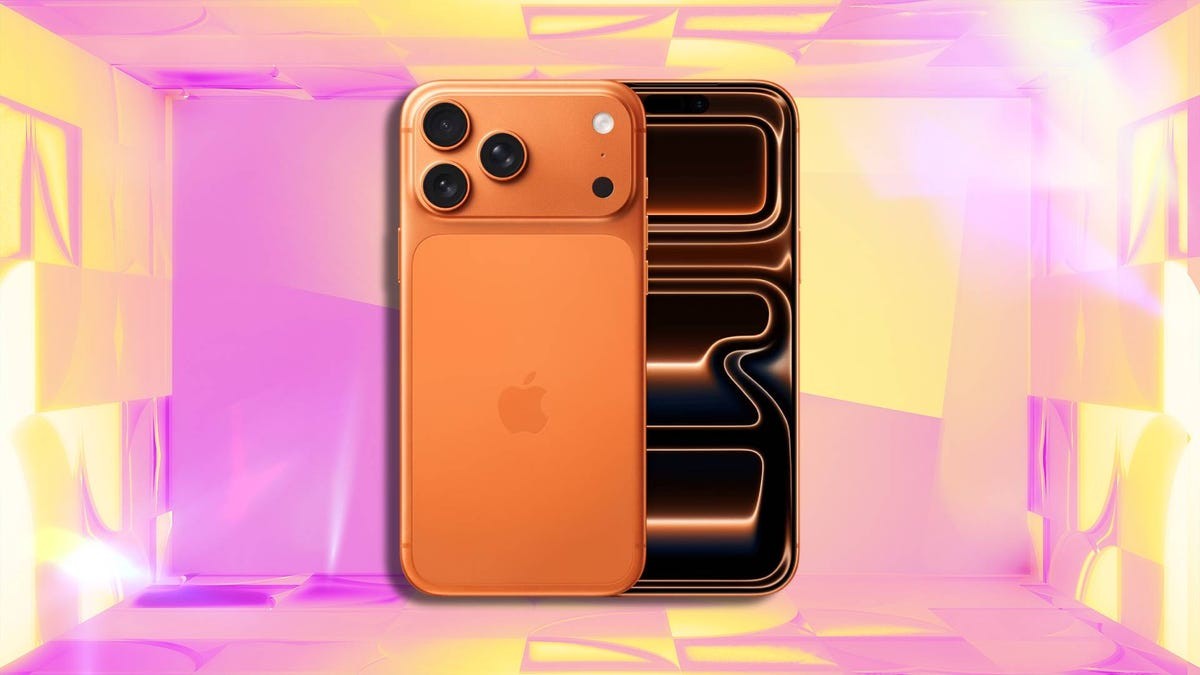
Despite supply chain headwinds, Apple’s financial performance remains strong. The company reported $111 billion in revenue for the quarter, a 17% year-over-year increase. This growth was largely fueled by the iPhone 17 lineup, which saw double-digit growth in most markets and set a new record for upgrades.
Key drivers for the iPhone 17’s success include:
* Integrated Apple Intelligence features.
* Improvements in camera technology, design, and durability.
This financial resilience provides Apple with a buffer to manage the incoming cost increases. However, the transition of power adds another layer of complexity. Tim Cook will step down as CEO on September 1, handing the reins to John Ternus, the senior vice president of hardware engineering.
Leadership Transition and AI Strategy
As Cook prepares to exit, he offered guidance to his successor, emphasizing that Ternus’s most important decision will be where to allocate his time and energy. Cook’s advice was rooted in Apple’s founding philosophy:
“We’re about making the best products in the world that really enrich other people’s lives. If you keep focusing on that… it will produce a great business.”
Underlying this transition is the critical question of Apple’s AI strategy. While Apple is investing heavily in R&D and operating expenditures for AI, it is taking a measured, incremental approach rather than an all-in gamble.
- Partnerships: Apple continues to collaborate with Google on AI features for Siri, a partnership Cook described as going well.
- Internal Development: The company is also pursuing independent AI innovations.
- Market Position: Analysts note that while Apple’s supply chain is resilient, the long-term success of its AI strategy will depend on whether it can effectively integrate external innovations (like Google’s Gemini) with its own hardware ecosystem.
Regulatory Tailwinds
Adding a positive note to the outlook, Apple is benefiting from a legal victory regarding US trade policy. The Supreme Court recently struck down tariffs imposed by the Trump administration in 2025, ruling that the emergency powers law did not authorize such measures.
As a result, US companies, including Apple, can now apply for refunds on duties previously paid. Cook confirmed that Apple is following the process and plans to reinvest any recovered funds into US innovation and advanced manufacturing. This move could provide additional capital to offset the rising costs of memory components.
Conclusion
Apple stands at a pivotal juncture, balancing record-breaking sales against the rising tide of memory costs driven by the AI boom. While the company’s financial health and supply chain resilience provide a strong foundation, the incoming leadership must navigate the delicate balance of pricing, availability, and AI integration. The coming quarters will reveal whether Apple can sustain its momentum as it transitions from a hardware-focused giant to an AI-integrated ecosystem leader.