
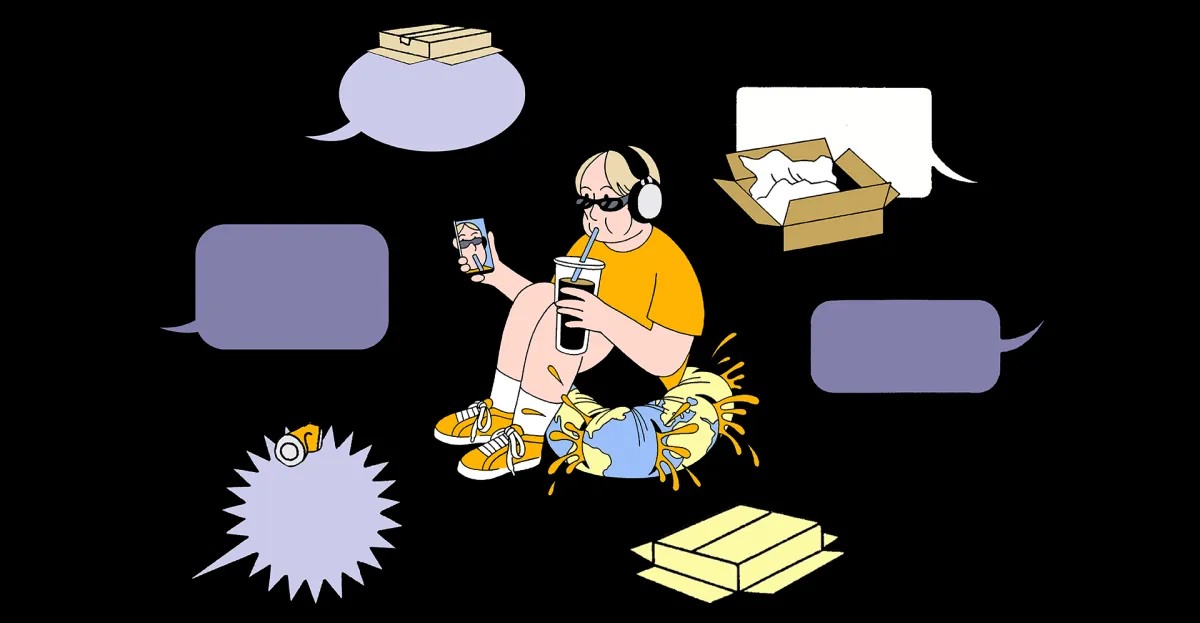
People hate humans again.
Maybe you’ve heard it. Maybe you feel it yourself. Look around. We’re breaking the climate. We’re pushing other species out the door. Soon enough? Space. We’ll clog the orbit with junk and drag our data centers into the stars. Some people say it’s cleaner if we just disappear. One reader told me, bluntly: “I’m disgusted to be human.”
I told them that hating your species is easy. It expects nothing from you.
But this distaste isn’t just fueling old-school misery. It’s fueling transhumanism. That movement says we’re broken hardware. Fix it. Upload our minds. Get AI to make our moral choices for us. Become gods. No suffering. Immortal. Silicon Valley tech bros love it. Academics debate it. They all want to transcend the current mess of flesh.
Hating on humanity is neither a new position nor an enlightened one. It lets us off the hook.
So I called Shannon Vallor. She’s a philosopher at the University of Edinburgh. Author of The AI Mirror. She loves humanity. She doesn’t hate tech. We talked about why classical humanism failed the 21st century.
Why do we want to become gods?
The world feels fragmented. Alienated. Digital media picked that apart. We’re tired. Lonely. Uncertain. Faith in other humans? Low.
Instead of fixing the social fabric? The networks of care? Institutions? We normalize the hate. We treat anti-humanism like an intellectual upgrade. Like humanism is stuck in the past. Naive. A “fallacy of exceptionalism.”
There’s truth there. Humanism was wrong about many things. We used to think other animals lacked feelings. Intelligence. Moral standing. We were wrong.
So it feels plausible to go one step further. Humans aren’t special either. Machines should write the future story. If you flinch at that? You’re parochial. Speciesist.
At a superficial level? It appeals to you. But it misses what it means to be human.
It’s not that humans shouldn’t be central to value. It’s that we misunderstand dependency. Our value is woven into the living system. Intertwined with everything else. You can’t just cast humans aside because you think they’re unimportant. They aren’t. But we’re part of the whole.
Old maps don’t work here
Do we need new humanism?
Yes. The old kind? Broken. It came from the Renaissance. The Enlightenment. Heavily gendered. Racialized.
It imagined an ideal: the rational individual. Self-determining. Free from community care. That vision? Unattainable. Undesirable. It won’t carry us to a sustainable future.
Today, people say: “Keep humans as they are.” Use tech for disease? Yes. Augment the species? No. That feels safe. Insufficient.
We are already transhuman. Homo sapiens has always augmented itself. Meditate. Fast. Wear glasses. Take antidepressants. Language. Tools. Architecture. We climbed down from the trees and never stopped building ourselves.
There is no static blueprint for “human.” To think there is? Naive.
There’s no blueprint. We have to decide if we’re going to live differently tomorrow than we did today.
Jose Ortega y Gasset called this “autofabrication.” Self-making. We get up every morning and choose. Maintain commitments. Break them. Change our mind. No other creature has this burden. It’s a blessing. A curse. We must construct our identity. We cannot follow a pre-set plan.
The excitement of survival
People want a positive vision. They crave hope.
I find that demand unreasonable. Survival? That’s positive enough. When the planet’s homeostasis is fragile, staying alive is a victory. Don’t leap past it.
Look at the scarcity. Address it. Fix the deficiencies. That work should mobilize us. It’s exciting. If our culture taught us that the dynamism of life is the gift, sustainability wouldn’t feel like a chore.
But we want transcendence. A story where we overcome suffering. Better than ever.
That’s okay. But you need safety first. Free from fear. Free from imminent threat. Not in a lifeboat. Then creative energy kicks in. Then transcendence happens naturally.
I love animals. Birds. Snorkeling. Diverse minds. Do I want a future with different intelligences? Animals? AI? Augmented humans?
Hell yes.
I’m a sci-fi nerd. Grew up in imaginary worlds. Robots. Hybrid creatures. My humanism doesn’t block a multi-mind planet.
What I resent? Tech companies. They exploit this excitement. They sell unsafe junk disguised as consciousness.
Claude isn’t a mind. It’s a language model roleplaying. We don’t know if machine minds are possible. But the AI industry says: “We have them. We’re giving them to you now.”
They lie.
The danger of the dream
Vallor suggested taking a break from certain philosophy. Pause the grand narratives about the future.
In our current political climate? That feels like a luxury. Tech broligarchs link to authoritarian rights. They want to escape democracy. Sovereign colonies. Network states. Space outposts. Ignoring this? Capitulation.
I hear the danger. But she’s not saying do nothing.
She says pause the philosophy that ignores the present. Forget the problems now? Think universal? No.
Focus here.
We need to ground ourselves in an ethos… repair the systems we need for a future.
Sustainability. Care. Solidarity. Mutual aid. This is a philosophy. Just not a utopian one.
Utopia often serves authoritarianism. It rips you away from current commitments. Distracts you with a dream. Relieves pressure to fix things now.
Sound familiar?
Christianity did it too. “Pie in the sky and heaven in the thereafter.” Ignore feudal hell on earth. The reward comes later. Transhumanism does the same. Don’t worry about your messy present. Infinite abundance awaits in the cloud or the next colony.
It’s regressive. Really. We spent centuries breaking free from that worldview. The great innovation of humanism? Don’t wait for the hereafter.
Care about Earth. Care about lives.
Here.
Now.