The landscape of digital reading devices shifts constantly. New screens arrive. Old ones get discontinued. And somewhere in the middle, we’re all just trying to find the device that won’t lag when we try to turn a page.
I tested dozens of hardware options to compile the final cut. Some devices impressed. Most did not.
We looked at the Remarkable PaperPro. It’s a beautiful tablet. It feels like paper. But it failed the core e-reader test: library support. You can access files from Google Drive or Dropbox. Locked ePUBs? Not so much. If you try to load a Libby book on a Remarkable, you will fail. It is a fantastic digital journal. It is a terrible e-reader.
Then there was the Onyx Boox Go 7. Smaller than a tablet. Similar in size to a Kobo Libra. But the processing speed is sluggish. Reading a library book required installing Adobe Digital Editions. Opening that app took ages. Closing it was even worse. The physical page-turning buttons I was hoping for didn’t work on my test unit. It’s a step up from a Nook, but a long way from seamless.
The devices that didn’t make the 2026 best e-readers list
Why are certain popular models absent? The reasons are usually technical or financial.
The Kindle Paperwhite Signature Edition (SE) often confuses buyers. It is a solid device. But it isn’t the best value. You pay extra for 32GB storage and auto-adjusting brightness. In head-to-head tests, the standard Paperwhite offers a better experience per dollar spent. If you are strictly budget-conscious, skip the SE. If you want to spend $200 and get more features, look at the Kobo Libra Colour. It handles color images better and has a more robust ecosystem for non-Amazon formats.
The Barnes & Noble Nook is essentially legacy hardware at this point. We tested it. It has physical buttons. That is its only saving grace. Page turning is easy. Loading a book is a nightmare. You have to download files to a computer. Then transfer them. Then hope the Nook recognizes them. The performance is sloth-like. Compared to the instant responsiveness of a Kindle or a Kobo, the Nook feels stuck in 2015. Unless you have a specific loyalty to Barnes & Noble’s bookstore, avoid it.
The Onyx Boox Palma 2 was a surprise. Palm-sized. Open Android. You can install Libby, Kindle, or Kobo apps directly. It works well. But it is being discontinued. Stock is dwindling. Not worth the risk for a new purchase.
The Onyx Boox Go 10.3 Lumi is large. It writes like the Kindle Scribe. But it isn’t faster. The Scribe is just as capable. So the Lumi gets cut.
How to fill your e-reader for free
Buying the hardware is just step one. A blank reader is a disappointment.
You don’t need to buy books. You really don’t.
The most efficient method is Libby. Connect your library card. Borrow digital collections directly from your local branch. The integration with Kindle and Kobo is seamless. You can push books directly to your device with a single click. I’ve read hundreds of titles this way. It’s free. It’s legal. It’s the backbone of digital reading.
Stuff Your Kindle Day events happen annually. Authors and publishers make thousands of titles free or deeply discounted for 24 hours. Keep an eye on dates. It’s the best time to bulk up your library without spending cash.
For classics? Project Gutenberg holds over 75,000 public domain texts. Download the files. Drop them onto your device via USB or email. Read anything from Dickens to Twain without a subscription.
Which e-reader should you actually buy in 2026?
The market is polarized. You have the Amazon walled garden. You have the open Android devices that require more tinkering.
The Kindle ecosystem still wins on simplicity. If you buy from Amazon, everything works. The books are optimized. The store is deep. But you are locked in. DRM protects those books. You cannot move them easily.
Kobo offers more freedom. It handles ePUBs natively. The integration with Libby is stronger on many models. The color screen on the Libra Colour is a genuine differentiator. It’s not just for comics. It helps with illustrated non-fiction.
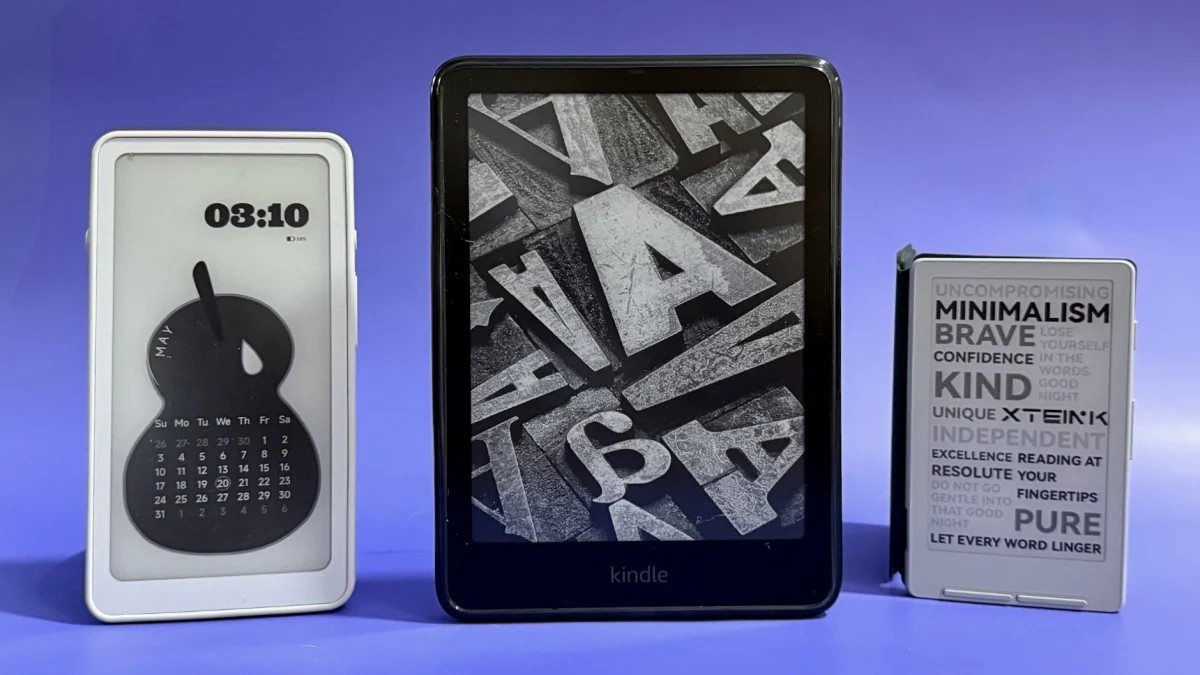
The Onyx Boox line remains the wildcard. The new Boox Go 6 (Gen 2) is currently under testing. Early reports suggest it mimics the basic Kindle form factor but runs Android. It remains to be seen if it can match the software stability of the competitors.
If you want peace of mind, stick to Kindle or Kobo. If you want control over your file types and are willing to deal with occasional lag, explore Boox. But for the average reader, the friction of third-party e-readers often outweighs the benefits.
We’re still waiting on the final verdict for the Boox Go 6. Until then, the top spots belong to the devices that just work.
The rest is just hardware noise.