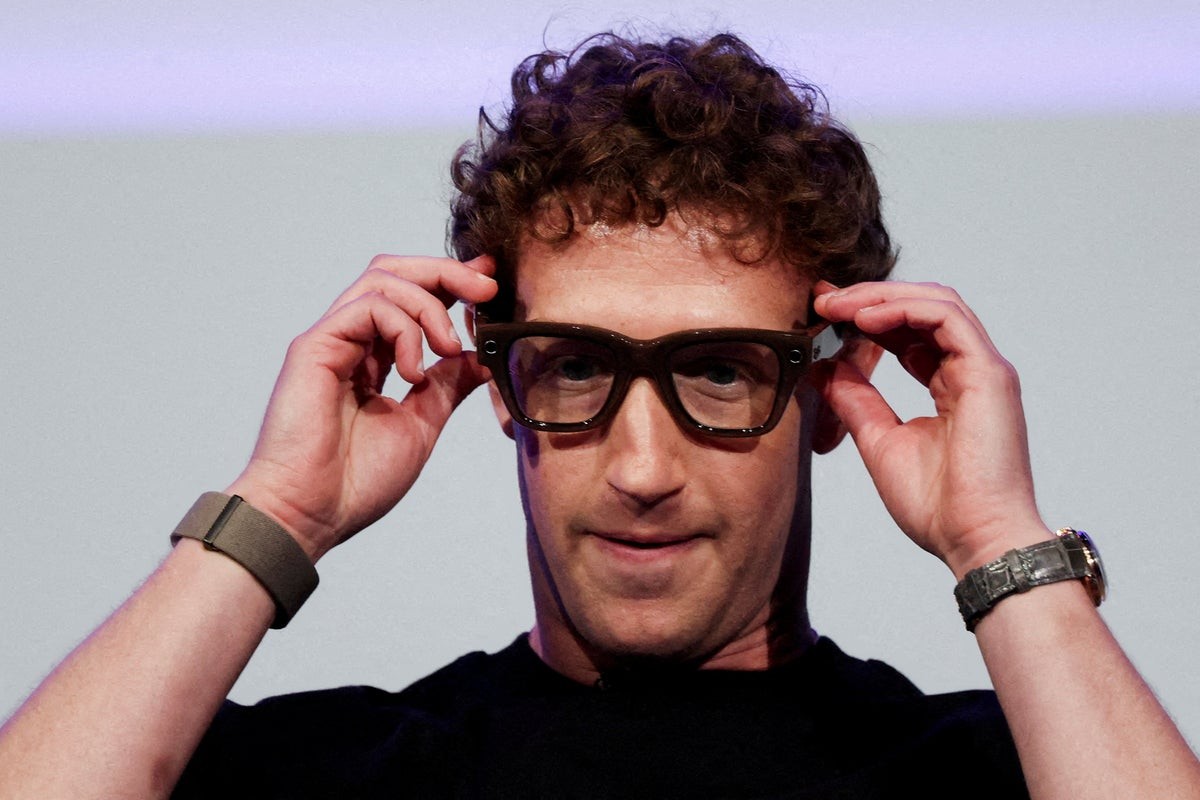
The wait might get longer. Apple is reportedly pausing its smart glasses launch to rethink how the device interacts with the world around it. This isn’t just a minor tweak. It’s a pivot driven by the messy, uncomfortable reality of what happened with Meta’s Ray-Ban glasses.
Remember the controversy?
Public figures and everyday users alike caught people filming them without consent. The backlash wasn’t just noise. It highlighted a fundamental privacy failure in wearable tech that sees everything. Now, according to Mark Gurman at Bloomberg, Apple is looking at those headlines with genuine concern. The company is scrambling to ensure its own entry into the arena doesn’t spark the same firestorm.
Delayed to June to Focus on AI and Developers
First, there’s the timing. Industry whispers had everyone expecting the device in stores later this year. Not anymore.
Gurman’s latest intel suggests the launch has shifted to June. Why June? That’s when Apple hosts its Worldwide Developers Conference (WWDC).
Traditionally, WWDD is a software showcase. By moving the hardware reveal there, Apple signals a different priority. They aren’t just selling a frame for your eyes. They’re selling a platform for artificial intelligence. The delay buys time to build out the AI ecosystem. It allows developers to start coding apps that make the glasses actually useful, rather than just a camera you wear.
It’s a smarter play. Or, perhaps, a necessary retreat.
Stripping Video Recording for Privacy
But the timing is just the surface-level change. The core shift is in what the glasses can do.
Privacy advocates have long argued that smart glasses are walking privacy violations. Meta’s devices made it too easy to record surreptitiously. Apple, typically the champion of “what happens on your device, stays on your device,” is reportedly debating a radical step.
They might disable the ability to capture standalone photos or videos.
Yes, the lenses will still have cameras. But those sensors won’t let you snap a selfie or record a protest. Instead, the camera feed goes straight to Apple Intelligence. The system uses the visual data to understand your environment. It identifies objects. It answers questions about what you’re looking at. Then it discards the footage.
Think of it like a super-powered Siri. The earbuds rumored to have cameras last year were limited to low-res sensors meant solely to aid voice commands. Apple might apply that same “vision-only-for-AI” philosophy to the glasses.
“Apple’s executives have debated turning off the video recording capabilities… The cameras would still be included, but only for seeing the world and giving it to AI tools.”
It’s a trade-off. You lose the ability to document life through the lens. You gain a privacy shield. For many, that’s the price of entry they’d actually pay.
Hardware Solutions to a Software Problem
Apple knows that software restrictions aren’t always enough to calm a panicking public. They’re reportedly building dedicated privacy features into the hardware itself.
What does that mean concretely? Probably physical indicators that are impossible to bypass. Maybe a hardware switch that physically cuts power to the camera sensors. Maybe a light that blinks aggressively when any data is being processed.
The goal is to create a clear distinction between “seeing” for the AI and “recording” for the user. Meta’s glasses blurred that line. Apple wants to sharpen it until it cuts.
This strategy also protects the brand. Apple’s reputation is built on trust. A privacy scandal could cripple the adoption of the entire wearables category, not just the glasses. The company isn’t willing to take that risk.
So, the glasses you might buy in June will look like Ray-Bans, sound like audio wearables, but function more like an advanced audio assistant with eyes. It’s less a standalone gadget and more a peripheral to your iPhone and AI services.
Is that enough?
Some users want the recording capabilities. They see the glasses as the next evolution of the smartphone camera. For them, this retreat feels like a compromise. For others, it’s exactly what they’ve been waiting for. A wearable that respects their space.
The debate continues. The launch date moves. But the underlying question remains: How much of ourselves are we willing to hand over to a pair of frames? Apple seems to be deciding that not as much as everyone else.
The result will likely be a product that feels safer. But perhaps less magical. We’ll see if that trade-off holds water when the hardware finally arrives in 2026. Or if the tech outpaces the caution.