
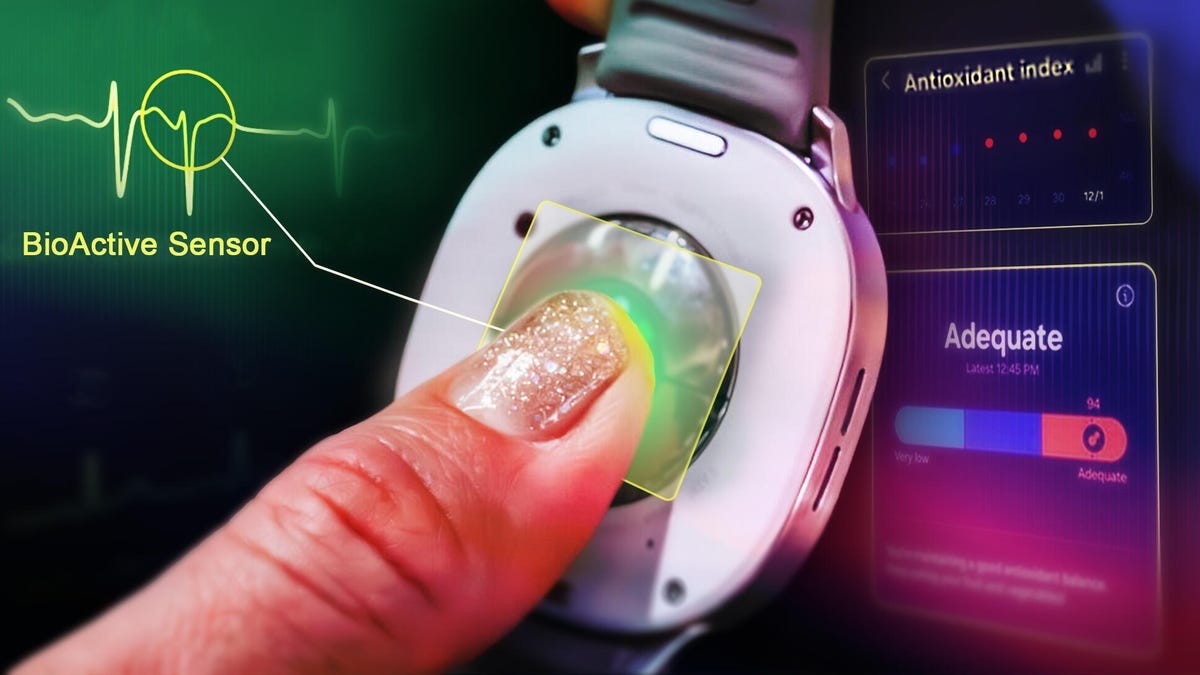
Wearable tech has long tracked movement, sleep, and vital signs with increasing precision. Now, Samsung is taking a leap into the largely uncharted territory of nutrition tracking with its new Galaxy Watch 8, Classic, and Ultra models. The key? A built-in Antioxidant Index that measures carotenoid levels – natural compounds found in fruits and vegetables – directly through the skin, eliminating the need for food diaries or lab tests.
Why This Matters: Beyond Calories, Towards True Wellness
For years, health tracking has focused heavily on activity and sleep. Diet, however, remained a blind spot for most wearables. This new feature isn’t just about counting calories; it’s about providing a deeper understanding of how diet influences long-term health, aging, and chronic disease risk. As Stanford epidemiologist Marcela Radtke notes, even a small increase in fruit and vegetable consumption across the population could lead to “substantial decreases in these chronic conditions over time.”
How It Works: Shining Light on Your Nutrition
The Galaxy Watch 8 utilizes advanced BioActive Sensors, employing yellow, blue, violet, and infrared LEDs to analyze how skin absorbs and reflects light. The optimal measurement point? Your fingertip – specifically the thumb – due to its thicker skin and reduced melanin interference. A 5-second press against the sensor clears blood flow, minimizing noise and providing a clearer read. The watch then displays a score from 0-100, ranging from “Very Low” to “Adequate,” based on World Health Organization guidelines for daily fruit and vegetable intake (at least 400 grams).
Antioxidants: The Invisible Defense Against Chronic Disease
Antioxidants neutralize harmful free radicals, unstable molecules that accumulate due to poor diet, stress, smoking, and pollution. These free radicals cause oxidative stress, damaging cells and contributing to conditions like heart disease, cancer, and premature aging. According to University of Connecticut nutritional scientist Ock K. Chun, increasing antioxidant intake – particularly carotenoids like beta-carotene – can “fend off these diseases, increase longevity as well as quality of life.”
Accuracy & Limitations: Not a Replacement for Blood Tests
While the Antioxidant Index offers a noninvasive alternative to blood tests, its accuracy is subject to factors like body mass index (BMI) and skin pigmentation. Individuals with higher BMIs may show lower carotenoid levels due to increased antioxidant usage. Samsung acknowledges these variables and emphasizes that the index serves as a baseline indicator, not a clinical diagnostic tool. Results also lag behind dietary changes, taking up to a week or longer to reflect shifts in fruit and vegetable intake.
The Bigger Picture: Samsung’s Vision for Holistic Health Tracking
Samsung’s Antioxidant Index is just the first step. The company envisions a future where wearables provide a continuous, integrated view of health, combining data from stress levels, sleep patterns, diet, and recovery. Future updates could include personalized nutrition coaching and recipe suggestions based on individual antioxidant trends. This move positions Samsung competitively against Apple, Fitbit, and Oura, all vying to become the ultimate health and wellness hub.
The Galaxy Watch 8’s ability to quantify a previously invisible process hints at further breakthroughs in light-based sensor technology, paving the way for more advanced health tracking in the years to come.