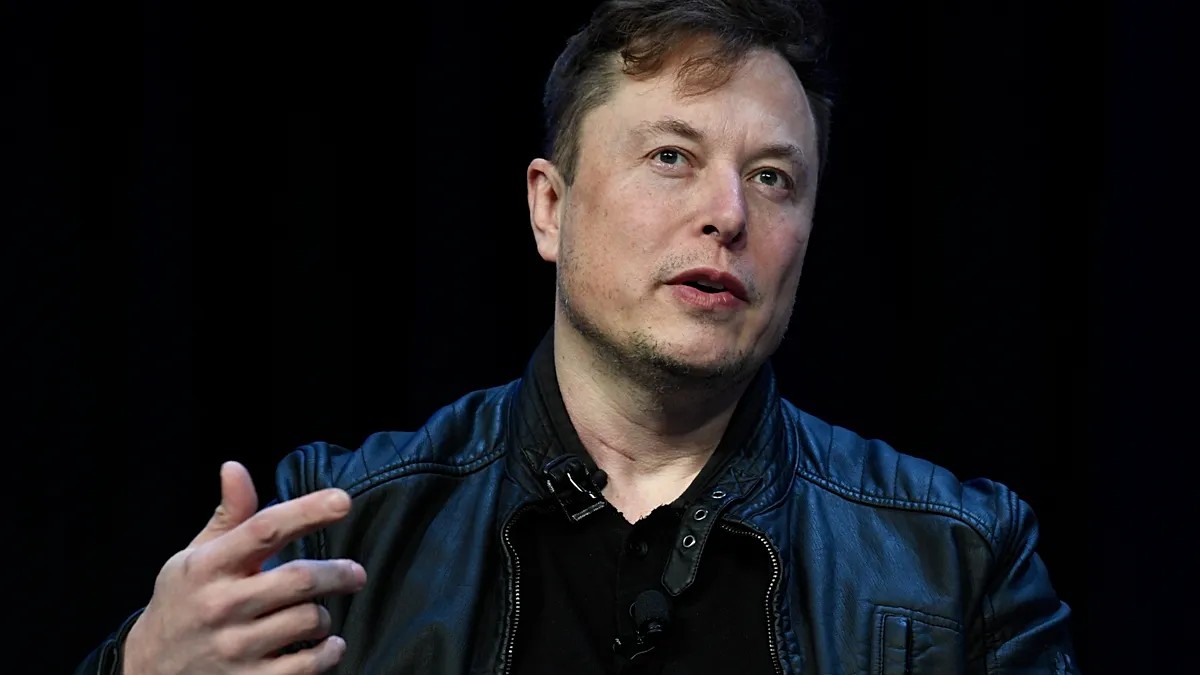
It’s out. Elon Musk’s Grokipedia has a political tilt. Not everywhere. Not always. But sure. In the spots that matter most. The ones people argue about. Religion. History. Literature. Art. Here. The AI encyclopedia leans right.
A new study says so.
Researchers from Trinity College Dublin and Technological University Dblin dug in. They didn’t guess. They looked. Nearly 18,001 of the most-edited English Wikipedia pages. The heavy hitters. Then they found the Grokipedia twins. Musk’s AI project launched last October. A digital challenger to the king of free knowledge.
The comparison was stark. Or maybe just quiet. Overall. The two encyclopedias look politically similar. But look closer. At the sensitive stuff. Grokipedia pulls in more right-leaning sources. More often than Wikipedia does.
That’s one finding. The other is weirder. Two-thirds of the Grokipedia entries in this set? Heavily rewritten. Ripped apart. Built back up. Using fewer sources than the Wikipedia version. Fewer eyes. Less scrutiny.
You might think this is news. It isn’t entirely. A pre-print in January saw it coming. That report flagged left-leaning biases overall on Grokipedia. But warned that controversial topics could still prioritize right-leaning content. So this. It confirms the fear.
While scholars dig into citations. The regulators are knocking. The European Commission started investigating Musk’s xAI in January. Using the Digital Services Act. They want to know. Did illegal content flow into the EU? Manipulated sex images. The kind of thing that burns trust.
It’s a shift. Generative AI is changing how we know things. And it’s doing it in the dark.
“Unlike Wikipedia, where biases are visible… AI-generated systems operate largely opaquily.”
Saeedeh Mohammadi. Lead author. She put it plainly. You can see a bias in a human edit. You can fight it. With an AI? Shifts happen. Perspectives move. No one is there to sign off on it. No accountability.
The stakes feel familiar. Or they should. Taha Yassiri. A professor at Trinity. He sees the parallel to social media. Remember that chaos? Limited oversight led to misinformation. It hit elections. It hurt public health. It shook society. Now. That same structure is being applied to facts. To encyclopedias.
“We are witnessing the large-scale… regeneration of information,” he says.
Black box. Large language models. Closed to us. Closed to scrutiny. We hand over our understanding of history to code we can’t see. We don’t get to debate the algorithm.
Who edits the truth when no one is holding the pen?