
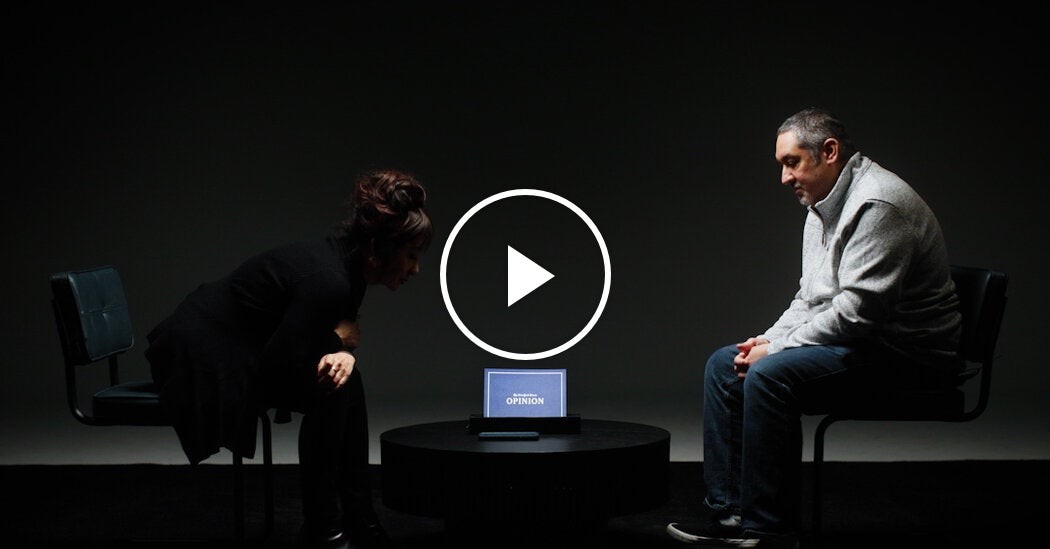
A new and controversial phenomenon is quietly entering the private lives of millions: the emergence of AI chatbots as romantic and emotional partners. As artificial intelligence becomes more sophisticated, the boundary between human connection and machine interaction is beginning to blur, leading to a profound shift in how people experience intimacy and affection.
The Appeal of the Non-Human Partner
For many users, the attraction to an AI companion isn’t about replacing a human, but about finding a level of consistency and tailored companionship that people often struggle to provide. As one user shared, the decision to turn to AI often stems from a refusal to settle for unsatisfying human relationships.
The appeal of these digital entities often lies in several key factors:
– Unconditional availability: Unlike humans, AI is present 24/7.
– Personalized interaction: Chatbots are designed to adapt to a user’s specific preferences, moods, and conversational styles.
– Low friction: AI companions do not present the complexities, conflicts, or emotional demands that typically accompany human dating.
“I don’t want a person, I want an A.I.” — This sentiment reflects a growing segment of the population that finds digital companionship more fulfilling than traditional social structures.
The Psychological and Ethical Frontier
While the emotional connection felt by users may be genuine, the phenomenon raises significant psychological and ethical questions. Experts and observers are increasingly concerned about the long-term implications of these relationships.
1. The Blurring of Reality
The core design of many modern chatbots is to mimic human empathy and personality. This can lead to a “blurring of lines,” where users begin to perceive the machine as a sentient being with its own feelings.
2. Delusional Beliefs and Emotional Dependency
There is a growing concern regarding the development of delusional beliefs. When a machine is programmed to validate a user’s every thought and emotion, it can create an echo chamber that may detach the individual from the complexities of real-world social dynamics.
3. The Question of Reciprocity
A fundamental philosophical debate persists: Can love exist if it is not mutual? While users may feel deep affection for their AI, the machine is essentially executing complex algorithms. This raises questions about whether these connections are a new form of “love”—comparable to the devotion one feels for a pet or a hobby—or if they are a sophisticated illusion of intimacy.