
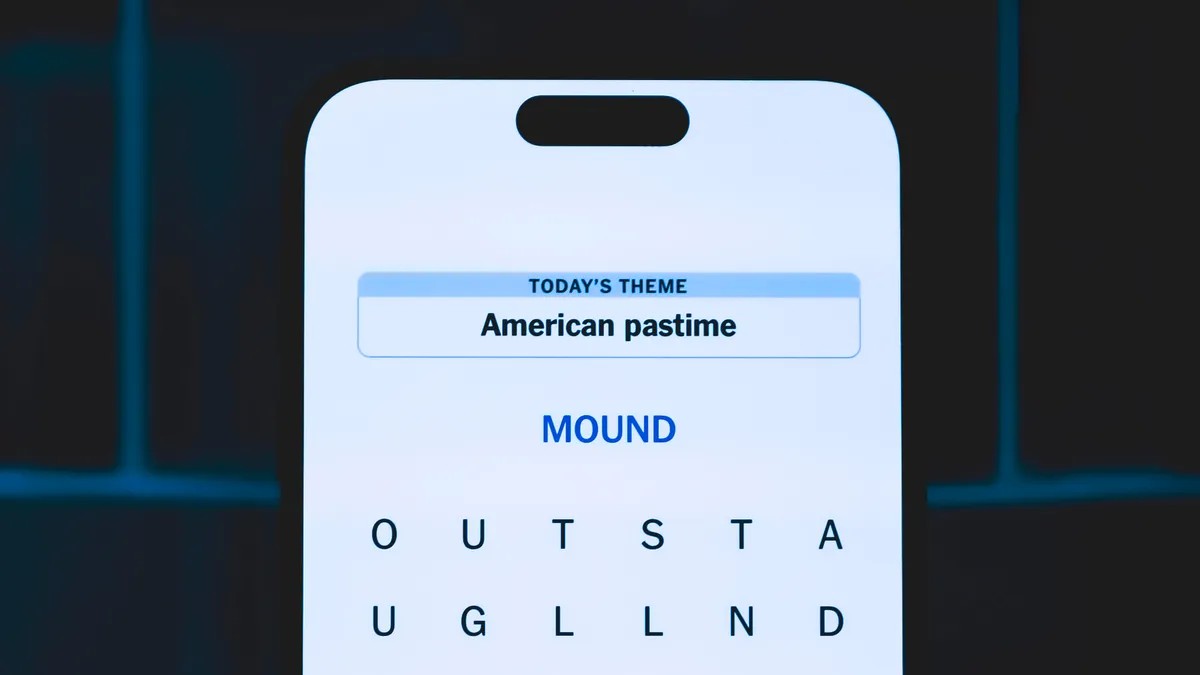
The New York Times’ word-search puzzle, Strands, presents a straightforward challenge for May 8 (Puzzle #796). Unlike some days that demand obscure vocabulary or complex lateral thinking, today’s grid is defined by its simplicity. The theme revolves around the concept of “Garden variety” —a phrase often used to describe things that are common, standard, or unremarkable.
For players stuck on the board, the key is recognizing synonyms for “ordinary.” If the theme clue alone doesn’t spark a connection, remember that the puzzle’s central message is essentially: not very exciting.
Understanding the Mechanics
Strands operates on a unique unlocking system. To reveal the specific theme words hidden in the grid, players must first find three non-theme words that are four letters or longer. These “key words” act as a cipher, unlocking hints for the main answers.
While any valid four-letter words will work, the following were identified as effective keys for today’s puzzle:
– STEAD
– DIRT
– MANOR
– MILL
– NILL
– DIARY
– COTS
– COST
Today’s Theme Answers
Once the hints are unlocked, the goal is to locate all words that fit the “Garden variety” theme. This includes a specific set of synonyms and one “spangram”—a long word that stretches from one side of the board to the other.
The Spangram
The longest word in the puzzle is RUNOFTHEMILL. To locate it, start with the R (the second letter on the top row) and trace the path downward through the grid. This word perfectly encapsulates the day’s theme: something typical or commonplace.
Other Theme Words
In addition to the spangram, the following words complete the set:
– BASIC
– COMMON
– PROSAIC
– PEDESTRIAN
– ORDINARY
When all these words are correctly identified, every letter on the board will be utilized, signaling a successful solve.
Context: Why This Puzzle Stands Out
Today’s puzzle is notable for its accessibility. In the landscape of daily word games, puzzles with themes like “Garden variety” serve as a palate cleanser between more difficult challenges. They rely on high-frequency vocabulary rather than niche knowledge, making them ideal for casual players or those looking for a quick mental warm-up.
Conversely, Strands is known for occasionally deploying significantly harder topics. For comparison, some of the most challenging themes encountered in the past include:
1. Dated Slang : Requiring knowledge of specific cultural eras (e.g., PHAT ).
2. Whale Biology : Demanding specialized scientific terminology (e.g., BALEEN or RIGHT ).
Today’s straightforward approach offers a refreshing contrast to those high-difficulty days, proving that clarity and common language can still provide a satisfying puzzle experience.
Conclusion: The May 8 Strands puzzle is a masterclass in simplicity, using common synonyms for “ordinary” to create an accessible and satisfying grid for all skill levels.