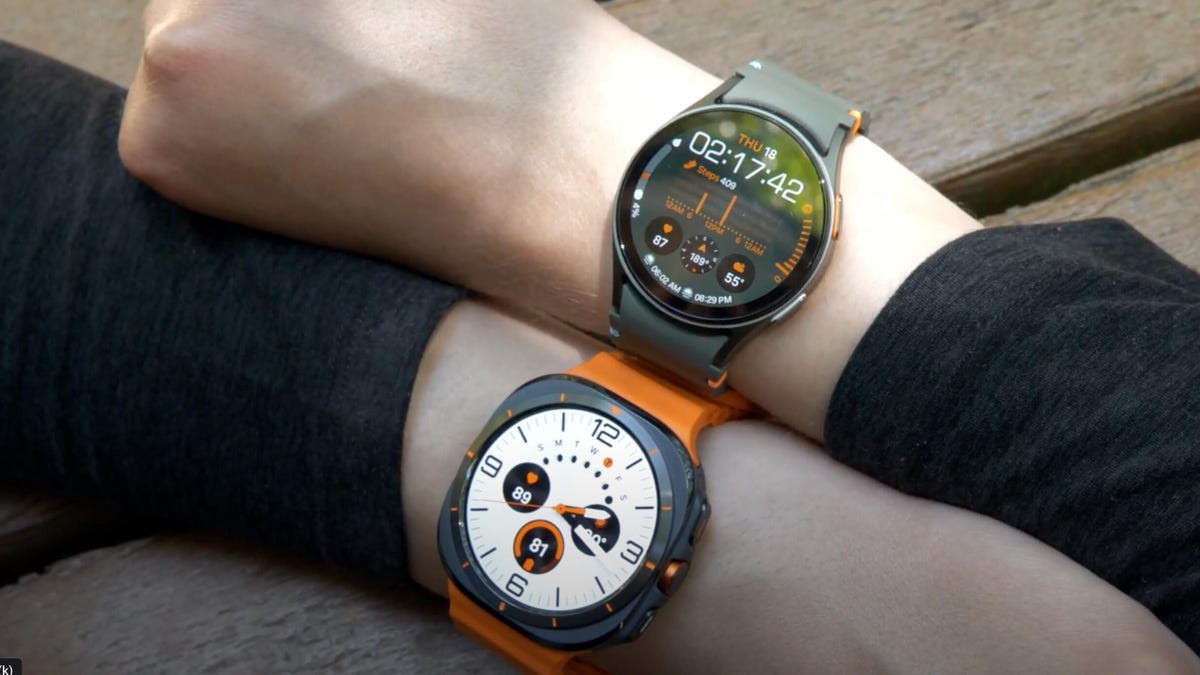
As the summer season approaches, the wearable tech landscape is shifting. Recent leaks and server sightings suggest that Samsung is preparing a dual-track launch for its smartwatch lineup: the standard Galaxy Watch 9 and a high-performance successor to its rugged flagship, the Galaxy Watch Ultra 2.
While the rumors provide a clear roadmap for Samsung’s watches, they also reveal a strategic focus on high-end performance and health intelligence, leaving other categories—like the smart ring—in the shadows for now.
The Roadmap: Testing and Timelines
Evidence suggests that Samsung has moved past the conceptual phase and into active testing. Firmware for the Galaxy Watch 9 has already been spotted on US test servers, a move that typically signals a launch window in the July timeframe.
The upcoming lineup appears to be split into two distinct tiers:
* Galaxy Watch 9: The mainstream flagship intended for the general consumer.
* Galaxy Watch Ultra 2: A premium, rugged device designed for power users and athletes.
Pushing the Boundaries of Health Tech
The most significant evolution in Samsung’s wearables isn’t just about aesthetics; it is about the depth of data they can collect. While the previous Ultra model focused on storage and color variety, the Ultra 2 is expected to prioritize sensor sophistication.
Industry insiders are looking for breakthroughs in two specific areas:
1. Advanced Skin-Based Metrics: Following the introduction of the “antioxidant index,” Samsung may expand its ability to detect nutritional signals through the skin.
2. Noninvasive Glucose Monitoring: Often described as the “holy grail” of wearable technology, the ability to monitor blood sugar without needles remains a primary goal for the industry.
Performance and Connectivity: A New Standard
To compete with premium offerings like the Apple Watch Ultra, Samsung is reportedly looking to upgrade its hardware architecture significantly.
⚡ The Snapdragon Advantage and Dual-Chip Architecture
The Galaxy Watch Ultra 2 may feature the new Snapdragon Wear Elite processor. Unlike standard chips, this processor is specifically designed to handle on-device AI. This shift is crucial; it allows the watch to process complex health coaching and data analysis locally, rather than relying on a cloud server, which improves both speed and privacy.
There are also whispers of a dual-chip architecture. By separating high-performance tasks from low-power background processes, Samsung could drastically extend battery life, potentially rivaling the multi-day endurance seen in competitors like Huawei and OnePlus.
📶 Expanding Connectivity
For the first time, Samsung may introduce 5G connectivity to its smartwatch lineup. Leaked model numbers suggest a tiered approach to connectivity:
* 5G Models: Likely reserved for the US and Korean markets.
* 4G/LTE and Wi-Fi Models: Expected for the rest of the global market.
This move would allow the Ultra 2 to function more independently from a smartphone, making it a truly standalone device for outdoor enthusiasts and travelers.
The Missing Link: Where is the Galaxy Ring 2?
One notable absence in the current leak cycle is the Galaxy Ring. Despite the massive hype surrounding the original launch in 2024, there are currently no indications that a second-generation ring is imminent.
This lack of news raises an interesting question for the industry: Is Samsung hitting “pause” on the smart ring category to focus on the massive hardware upgrades required for its watches, or is the smart ring market entering a period of consolidation?
Summary: Samsung’s upcoming wearable strategy appears focused on a high-performance “Ultra” tier that leverages on-device AI, 5G connectivity, and advanced health sensors to differentiate itself from the standard Galaxy Watch 9.