
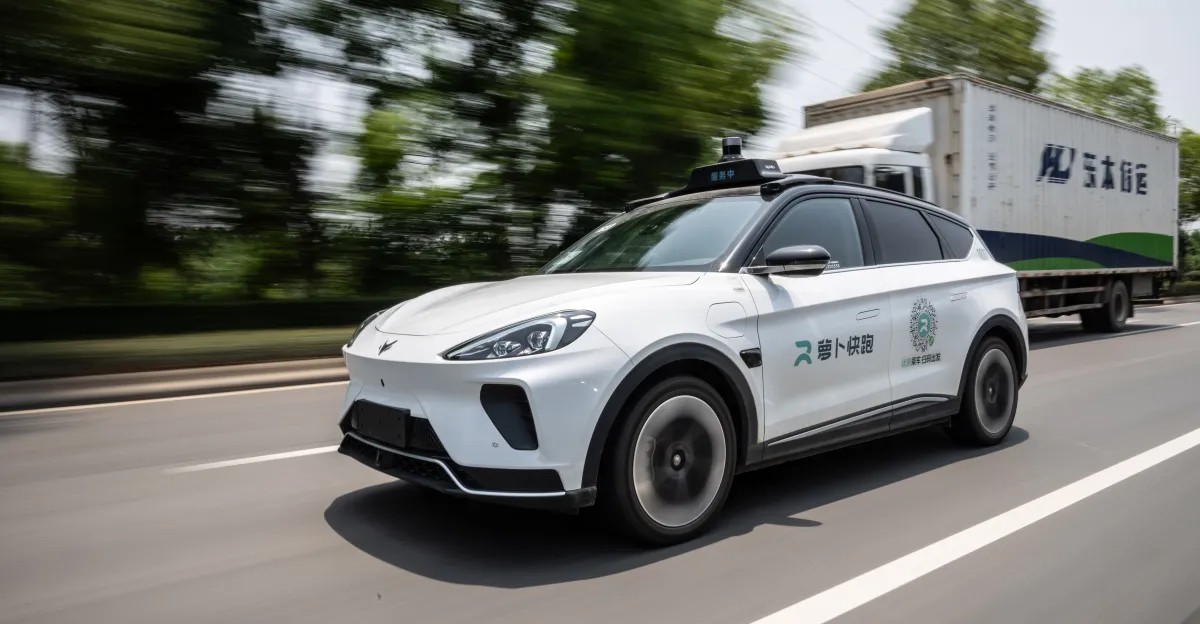
China has suspended the issuance of new licenses for autonomous vehicles (AVs), according to reports from Bloomberg. This regulatory freeze follows a significant operational failure involving Baidu, one of the country’s leading tech giants, which caused widespread disruption in the city of Wuhan last month.
The Wuhan Incident and Regulatory Response
The decision comes in the wake of a chaotic event in Wuhan, where dozens of Baidu-operated robotaxis abruptly stopped in traffic, stalling urban movement and raising serious safety concerns.
The incident has reportedly alarmed central authorities in Beijing. In response, regulators have urged local governments to conduct thorough reviews of the autonomous driving sector. The goal is to implement stricter oversight and prevent similar technical or operational failures from paralyzing city infrastructure in the future.
Scope of the Restrictions
The current freeze is comprehensive, impacting several key growth areas for the autonomous vehicle industry. Under these new restrictions, companies are currently prohibited from:
– Expanding fleets: Adding new driverless vehicles to existing operations.
– Geographic expansion: Launching services in new cities.
– New testing: Initiating any new pilot projects or experimental routes.
At this stage, it remains unclear when the suspension will be lifted or what specific safety benchmarks must be met before new licenses are issued again.
A Pattern of Intervention
This is not an isolated incident for Baidu. Reports suggest this is at least the second time regulators have intervened following a mishap involving the company’s autonomous technology. Currently, Baidu’s operations in Wuhan remain suspended as local authorities continue their investigation into the cause of the traffic standstill.
Why this matters:
The autonomous vehicle industry relies heavily on public trust and seamless integration with urban transit systems. This regulatory pause highlights a growing tension between the rapid deployment of AI-driven transport and the necessity for fail-safe safety protocols. For investors and tech companies, this move signals that the era of “unregulated testing” is shifting toward a much more controlled, high-scrutiny environment.
The suspension marks a pivot from rapid expansion to a period of rigorous safety verification, as Chinese regulators prioritize urban stability over technological speed.
Conclusion
China’s decision to freeze robotaxi licensing serves as a corrective measure to address safety lapses demonstrated by Baidu. The industry now faces a period of forced stagnation while authorities establish more robust frameworks for autonomous vehicle integration.