
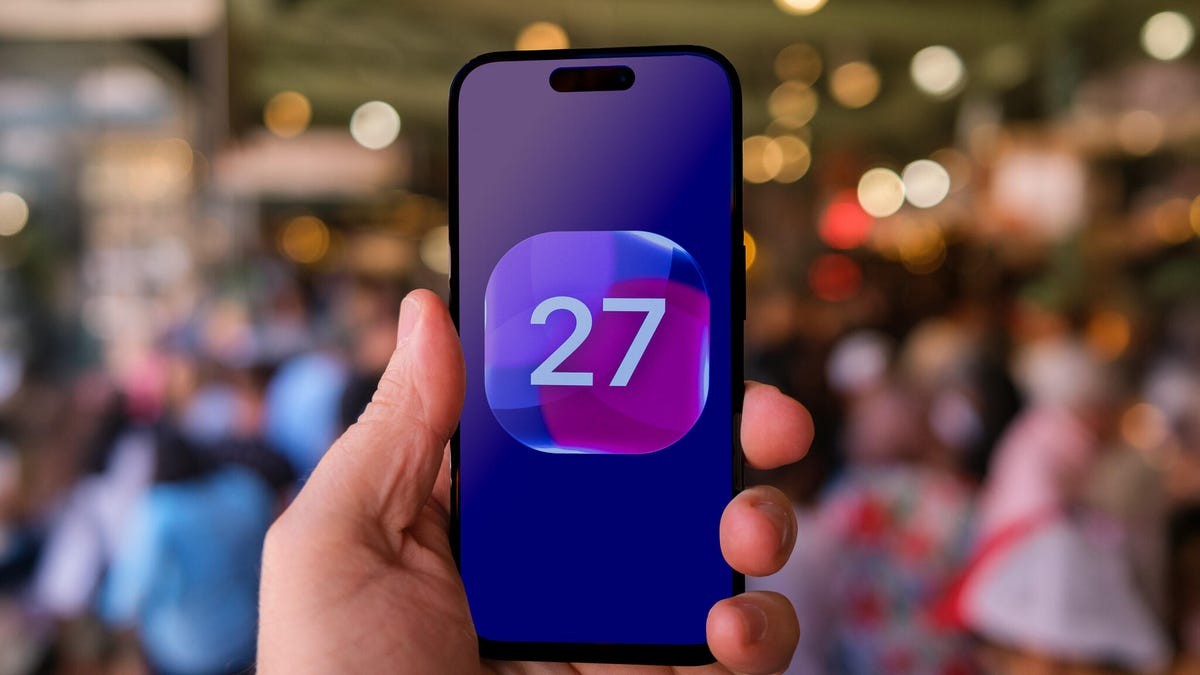
Should you actually download the iOS 17 or iOS 18 public beta right now?
Apple finally flipped the switch. The public beta is live. Developers got a head start weeks ago, testing the waters with Siri AI, new photo editing tricks, and faster system responses. But now it’s open to everyone. That means you. Me. Anyone with an iPhone and a little too much free time.
Wait. Hold that thought.
This software isn’t finished. Apple isn’t trying to break your phone intentionally. They’re seeding it out to thousands of users to catch errors before the final version hits millions of devices in September or October. The developer beta was surprisingly stable, sure. But public beta? Different story. More people, more chaos.
Which iPhone model runs the public beta best?
If you are dead set on installing it, here is the rule. Don’t put it on your main phone. Not even if you have to beg your kid to take their second-hand device off the hook.
The beta runs on devices as old as the iPhone 11. That’s helpful. It means you can dig that old handset out of the drawer—the one buried under chargers and cracked screen protectors—and let it be your guinea pig. It keeps your primary data safe. And yes. You absolutely must back up your current data before flashing the new software. No exceptions.
The public beta is smoother than the developer track. It’s meant for real people, not just coders debugging code. But “smoother” doesn’t mean “solid.” Features change. Apple tweaks things daily. What works on Tuesday might glitch by Friday.
Why your battery will drain faster on iOS 16 or 17 betas
Here is the tradeoff you might not like. Your battery life is going to suck. For a bit.
Energy efficiency is always the last thing to be fixed. Why? Because the priority right now is function, not fuel economy. If an app works but eats power, let it eat. Fix the bugs first. Save the optimization for later.
Then there is the indexing problem.
After you install the update, your phone spends hours—or even days—sorting through every photo, every message, every document. It’s looking for faces. It’s scanning for objects so search works better. It’s hunting for duplicates in Photos. All this heavy lifting cooks your battery. If you recently bought a portable charger, pull it out now. You’re going to need it.
What specific bugs appear in iOS public versions?
Let’s get into the weeds. Bugs aren’t a glitch in the plan. They’re the plan. That’s the point of beta software. To flush them out. To scare the rats into the light so engineers can squash them.
By letting regular folks use the OS, Apple sees weird interactions. Maybe your specific version of a banking app crashes when the new Siri wakes up. Maybe your Bluetooth headphones drop the connection every three minutes. These things matter. But you get to experience the headache.
Don’t expect your phone to turn into a brick. Show-stopping errors that lock you out are rare. Instead, it’s a thousand tiny cuts. Grating annoyances.
- Apps closing without warning.
- The system running hotter than a sauna, stressing your battery health.
- Stuttering scrolling because the processor hasn’t been tuned for these specific games yet.
Performance will take a hit. Period. Gigabytes of data are being reorganized while you try to play a game. The game stutters. The frame rate drops. It’s frustrating. But it’s normal.
Beta software is a trade-off: you get early access, but you pay with patience.
So why do it?
Because you’re curious. Because you want to see how advanced photo editing looks on a live canvas. Because waiting until fall feels too slow.
Just accept that your daily driver will suffer for your curiosity. Stick the beta on that dusty iPhone 11. Let it cook. See how the AI features fare.
And if your main phone stays on the last stable version? Good choice. It probably works fine anyway.