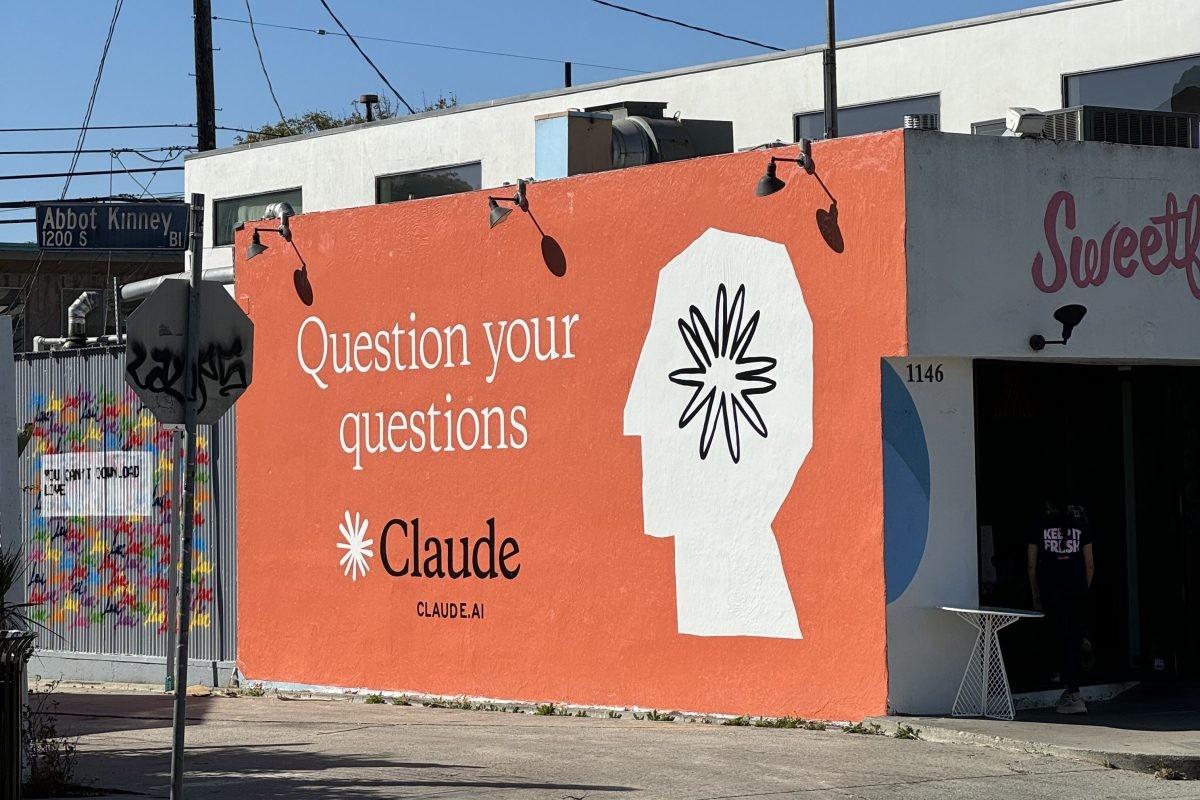
At the recent HumanX AI conference in San Francisco, a clear trend emerged among the thousands of tech professionals gathered at the Moscone Center: the conversation has shifted. While OpenAI once held an undisputed monopoly on the industry’s attention, the focus is rapidly pivoting toward Anthropic’s Claude.
As the industry moves from simple chatbots toward “agentic AI” —systems capable of autonomously executing complex business and coding tasks—the battle for enterprise supremacy is intensifying.
The Rise of Anthropic and the “Fall” of ChatGPT
Throughout the conference, Claude was the recurring protagonist in panel discussions and vendor interviews. Many industry professionals expressed a growing preference for Anthropic’s model, with some even suggesting that OpenAI has “fallen off.”
This perception of decline is not merely anecdotal; it stems from several strategic and reputational challenges facing OpenAI:
- Loss of Focus: OpenAI has recently pivoted away from several high-profile projects, such as its video generator, Sora, to double down on business and coding services. While this is a move toward stability, it has created a sense of fragmentation.
- Reputational Friction: Recent media scrutiny regarding CEO Sam Altman’s leadership, alongside controversial decisions—such as introducing advertising into ChatGPT and navigating political complexities—has created a “negative buzz” that complicates the brand’s image.
- The End of Uncontested Dominance: For a long time, OpenAI was the only game in town. Now, Anthropic has emerged as a formidable rival, particularly among business users who find Claude more aligned with their professional needs.
A High-Stakes Race for Revenue and Utility
Despite the shifting sentiment, OpenAI remains a financial powerhouse. Both OpenAI and Anthropic are currently ranked among the fastest-growing businesses in tech history. The “decline” of OpenAI may not be a loss of power, but rather the arrival of a healthy, hyper-competitive market.
To combat the momentum of Claude, OpenAI is moving aggressively to protect its territory:
– New Subscription Tiers: The company recently launched a $100/month tier for ChatGPT, offering significantly expanded access to Codex, its specialized coding tool.
– Direct Competition: This move is widely seen as a direct attempt to reclaim the developer market and prevent users from migrating to Claude Code.
The Era of Agentic AI
The core driver of this competition is the rapid evolution of agentic workflows. Unlike previous AI iterations that merely answered questions, “agents” can perform multi-step tasks, such as writing software or managing workflows, with minimal human intervention.
As Srinivas Narayanan, OpenAI’s CTO of B2B applications, noted during a session at HumanX, the pace of change is unprecedented. While “assistive” coding has existed for a year, the transition to fully “agentic” coding has occurred in just a few months, fundamentally altering the software engineering landscape.
“We are in this incredible moment in technology, where every month, and sometimes every day, we are all looking forward to something new.” — Srinivas Narayanan, OpenAI CTO of B2B applications
Conclusion
The AI industry is transitioning from a period of novelty to a period of utility, where the winners will be defined by their ability to perform reliable, autonomous work. As Anthropic gains ground through specialized performance, OpenAI is fighting to maintain its lead through aggressive monetization and specialized tools in a rapidly fragmenting market.