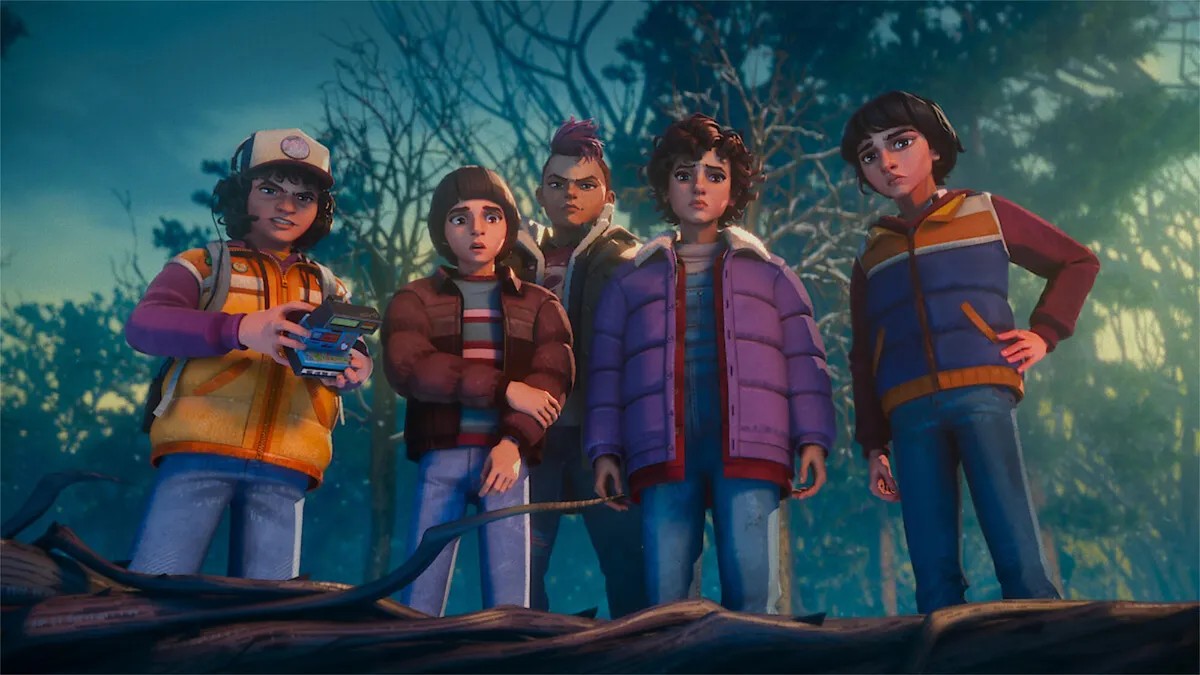
While the live-action saga of the Hawkins crew reached its conclusion with the release of Season 5, the Stranger Things universe is expanding into a new medium. This week, Netflix launches Stranger Things: Tales From ’85, an animated spin-off that promises to bridge the gaps in the franchise’s established timeline.
Expanding the Lore: The Setting and Timeline
Unlike the main series, which focuses on the high-stakes drama of the core group, Tales From ’85 serves as a stylistic detour. The 10-episode series is strategically placed in the narrative timeline, occurring between the events of Seasons 2 and 3.
By setting the show in this specific window—the period following Eleven’s closure of the gate at Hawkins Lab—the creators have a unique opportunity to explore the “quiet” moments of terror that occurred while the main characters were navigating their own growing pains.
A Nostalgic Twist on the Upside Down
The most distinctive feature of this new project is its visual and tonal direction. Rather than attempting to replicate the cinematic realism of the live-action show, Tales From ’85 draws heavy inspiration from the Saturday morning cartoons of the mid-1980s. This stylistic choice leans into the era’s nostalgia, offering a different lens through which to view the Upside Down.
Key details of the series include:
- The Core Cast: While the original live-action stars (such as Millie Bobby Brown and Finn Wolfhard) are not returning to voice their characters, the central group—Mike, Lucas, Will, Dustin, and Max —remains the heart of the story.
- The Conflict: The gang must confront new monsters emerging from the Upside Down as they attempt to solve a fresh paranormal mystery unfolding in Hawkins.
- A Star-Studded Voice Cast: To compensate for the absence of the original actors, the production has assembled a veteran voice cast, including horror icon Robert Englund, alongside Odessa A’zion and Lou Diamond Phillips.
Why an Animated Spin-Off Matters
The move toward animation is a growing trend for major streaming franchises. For a series like Stranger Things, which is deeply rooted in 1980s pop culture, animation allows for more surreal, stylized, and perhaps even more grotesque depictions of the Upside Down that might be cost-prohibitive or visually jarring in live-action. It provides a way to keep the brand active and the fanbase engaged