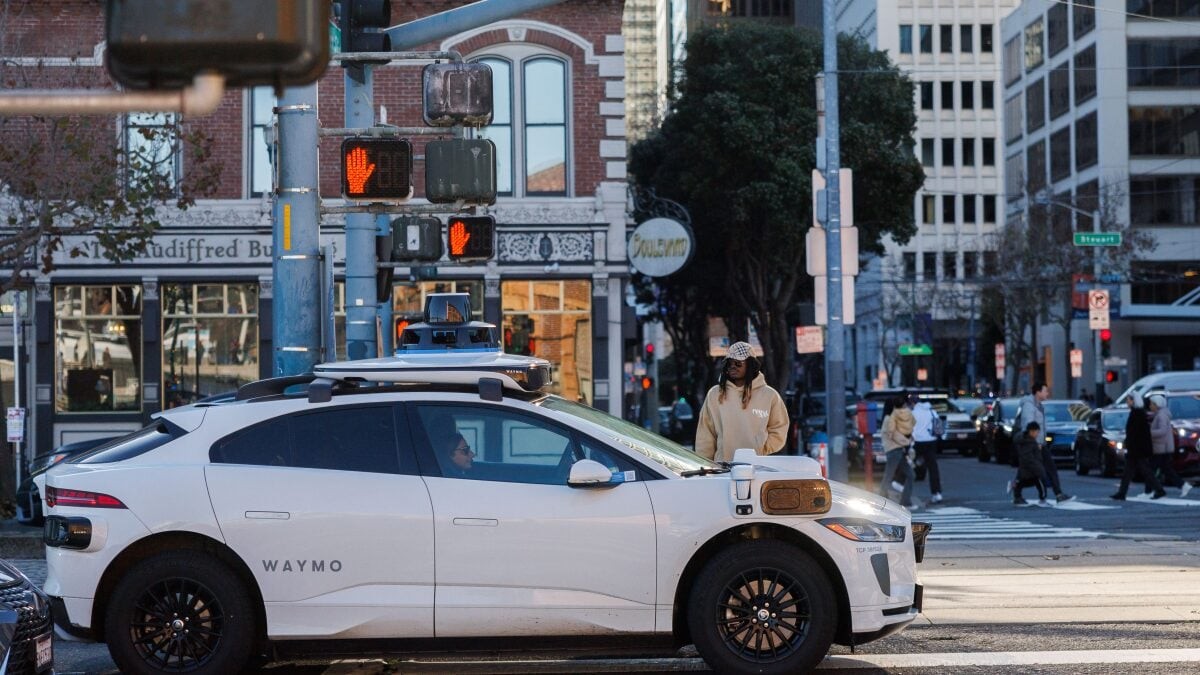
In a move that turns self-driving technology into a tool for urban maintenance, Waymo and Waze have announced a pilot program designed to identify and map potholes across U.S. cities. By leveraging the advanced sensors found in autonomous vehicles, the partnership aims to provide local governments with real-time data to improve road safety and repair efficiency.
How the Technology Works
The pilot program utilizes the sophisticated “perception” systems built into Waymo’s driverless fleet. As these vehicles navigate city streets, their physical feedback systems and sensors detect irregularities in the road surface.
The process follows a streamlined data loop:
1. Detection: Waymo vehicles identify the precise location and severity of potholes.
2. Transmission: This data is funneled through the Waze for Cities program, a free service that shares real-time road information with municipal partners.
3. Verification: Waze users—starting with riders in Los Angeles—will be able to see and verify this data directly within the app.
4. Action: Departments of Transportation (DOTs) receive the information, allowing them to prioritize repairs based on actual road conditions.
Scaling the Pilot
The initiative is launching in five major U.S. hubs: San Francisco, Los Angeles, Phoenix, Austin, and Atlanta. Waymo has already identified 500 potholes requiring immediate attention through this method.
Looking ahead, the company intends to expand the program to cities facing more extreme environmental challenges. This includes regions with harsh winters and frequent freeze-thaw cycles, which are notorious for rapidly degrading asphalt and creating hazardous driving conditions.
The Broader Context: The Race for Autonomous Dominance
This partnership is more than just a civic improvement project; it is a strategic move in the intensifying competition for autonomous vehicle (AV) supremacy.
As Waymo aggressively expands its driverless fleet—recently launching in Nashville and eyeing cities like Chicago and Charlotte—it is positioning itself as an essential piece of urban infrastructure. By providing valuable data to cities, Waymo creates a symbiotic relationship with local governments, potentially smoothing the regulatory path for its expansion.
This expansion comes at a critical time:
– Financial Strength: Waymo recently secured a $16 billion financing round, providing the capital necessary for rapid scaling.
– Competitive Pressure: Waymo is in direct competition with Tesla, which is reportedly accelerating its own robotaxi development outside of its Texas headquarters.
While Tesla focuses on the software and consumer-facing aspects of autonomy, Waymo appears to be building an ecosystem where its vehicles serve both as transport providers and as mobile data-collection units for the cities they inhabit.
This collaboration marks a shift in how autonomous fleets can provide value beyond passenger transport, turning “eyes on the road” into a proactive maintenance tool for public infrastructure.
Conclusion
By integrating Waymo’s sensor data with Waze’s massive user base, this pilot offers a high-tech solution to the age-old problem of deteriorating roads. If successful, it could transform how cities manage maintenance, turning autonomous fleets into vital partners in urban upkeep.