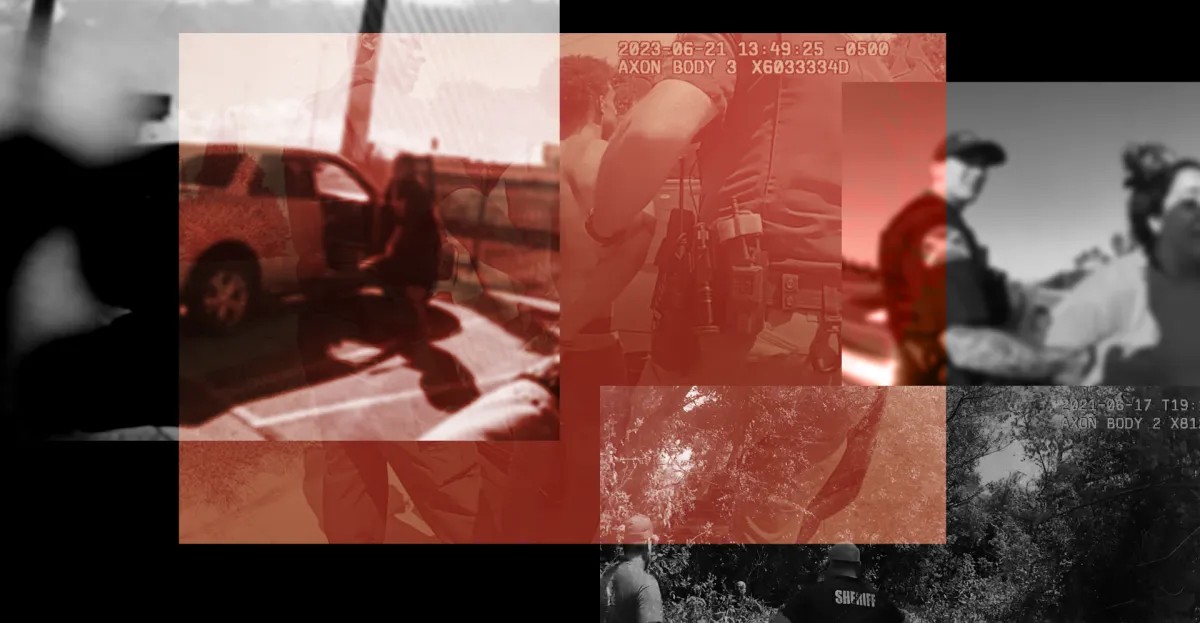
The modern arrest isn’t just a legal process; it’s potential viral content. In America, a minor offense—speeding, loitering—can lead to footage from police body cameras ending up on YouTube or TikTok, racking up millions of views. The subject might not even realize it happened until months later, and removing the video is often impossible.
This niche but massive corner of the internet operates like any other algorithm-driven space. Channels such as Code Blue Cam (10M+ views per video, over a billion total) and Midwest Safety (1.5B+ views) dominate the landscape, alongside dozens of similar names: “Body Cam Watch,” “PoliceActivity,” and even channels represented by traditional influencer agencies. People are already panicking about their arrests being uploaded, with some Reddit users reporting anxiety attacks over the possibility of permanent digital humiliation.
How It Works: The process is simple. Channels acquire footage through public records requests, edit it minimally (sometimes with AI narration), and upload. Videos typically show intoxicated individuals yelling, resisting arrest, or being arrested for minor offenses… but they also include footage of more serious crimes. Faces are rarely blurred, bystanders are often visible, and details like names vary wildly. Some channels provide judicial outcomes; others don’t.
The core issue isn’t just privacy; it’s the balance between public access and severe embarrassment. Police body camera footage can expose misconduct, making transparency valuable. But the reality is that most content is lurid, humiliating, and often involves minor offenses. The question isn’t whether footage should be public but how to prevent its exploitation for profit.
The Rise of Body Cameras & Open Records
The proliferation of body cameras began in 2012, accelerating after the 2014 Ferguson shooting when the Obama administration allocated $75 million for local departments. By 2023, over 80% of officers wore cameras, creating a vast, accessible archive of footage. This footage is obtained via state transparency laws, but the process isn’t equal.
Departments routinely delay or redact footage that might show misconduct, while readily releasing footage of ordinary citizens being arrested. YouTube viewers prefer sensational content, so minor offenses dominate the channels. This creates a perverse incentive: police departments don’t resist requests that show them in a positive light.
The Long History of Public Humiliation: The trend isn’t new. “Mugshot galleries” were clickbait staples for years, and “publish-for-pay” websites still exist, extorting people to remove their arrest photos. Even the 1990s TV show Cops operated on a similar model, depicting arrests with little context and often focusing on marginalized communities. The modern body cam channels are merely a digital evolution of this pattern.
The System’s Flaws
Police departments are overwhelmed by records requests, often taking hours to review and redact footage. Some states are now charging fees for access, which favors monetized channels over journalists. States are caught in a deadlock, debating tighter rules while simultaneously withholding footage in cases of misconduct.
The Electronic Frontier Foundation (EFF) argues that any footage depicting police misconduct should be accessible without unreasonable fees. Civilian faces should be blurred unless they’re public figures, and non-misconduct footage should be subject to a court-led privacy assessment. Implementing this would require more funding for the courts and police departments… but the alternative is a system that prioritizes entertainment over accountability.
The Bottom Line: The monetization of police body camera footage highlights a broken system. Transparency without safeguards turns into voyeurism, and the public interest is often sacrificed for clicks. The question isn’t whether footage should be public, but how to regulate its release to prevent exploitation. Until then, viral arrests will remain a lucrative, unethical reality.