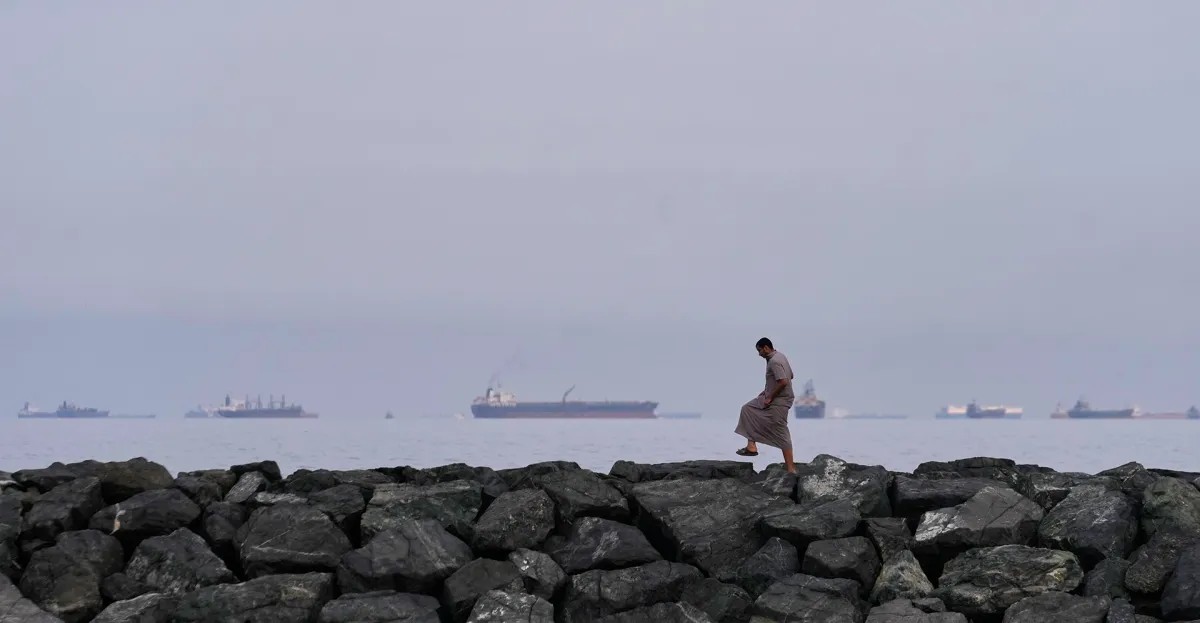
The ongoing conflict in Iran has effectively shut down the Strait of Hormuz, a critical waterway for global trade, with immediate and severe consequences for food and energy markets worldwide. For the first time in history, the strait is closed to commercial shipping, and attacks on vessels have stranded hundreds of tankers. The war has already claimed over 1,800 lives, including key Iranian leadership.
Energy and Fertilizer Crisis
The Strait of Hormuz handles approximately 20% of the world’s oil and gas, and its closure has caused prices to surge, threatening an energy crisis. Beyond energy, the region is a major producer of nitrogen and sulfur fertilizers—essential for modern agriculture. Nearly one-third of global nitrogen fertilizer trade and almost half of sulfur exports pass through this corridor. This disruption will severely impact crop production, particularly as the northern hemisphere enters its critical spring planting season.
Global Food Security at Risk
The disruption extends beyond fertilizers. Palm oil exports from Southeast Asia and grain shipments to the Middle East are also stalled. Ginni Braich, a data scientist at the University of Colorado Boulder, notes that the strait is a vital link in the global food chain, and even minor disruptions can have “huge aftershocks.” Roughly 4 billion people rely on food grown with synthetic nitrogen fertilizers, meaning half the world’s population depends on this supply chain.
The Cost of Dependence
The lack of strategic reserves for nitrogen fertilizer makes the situation particularly dire. While the US produces some fertilizer domestically, it cannot rapidly replace the millions of tons typically sourced from the Middle East. Countries heavily reliant on imports, such as India, will be disproportionately affected, as will China, Indonesia, Morocco, and several African nations. Consumers will feel the impact through higher prices, potentially leading to reduced yields or shifts away from input-intensive crops.
Long-Term Vulnerabilities
The crisis exposes the fragility of a centralized, fossil fuel-dependent supply chain. Manufacturing synthetic fertilizers is itself a significant contributor to greenhouse gas emissions (over 2% of global total). Decentralizing production—through recycling nitrogen from waste or powering plants with renewable energy—could mitigate this vulnerability, but would come at a cost. A shift to domestic production could create a “green divide,” with wealthier nations able to afford the premium while poorer countries struggle.
The Humanitarian Impact
The disruption coincides with reduced international food aid, as the US Agency for International Development (USAID) was dissolved last year, and the UN World Food Programme faces historically low donations. Cary Fowler, president of the Food Security Leadership Council, emphasizes the direct link between the conflict and food insecurity in vulnerable regions, warning that inaction could lead to widespread famine.
The situation remains volatile, with the US president oscillating between threats of escalation and promises of intervention. While energy security is being discussed, the impact on food supplies appears to be an afterthought. The closure of the Strait of Hormuz underscores a harsh reality: global food security is precariously dependent on a single, vulnerable choke point.