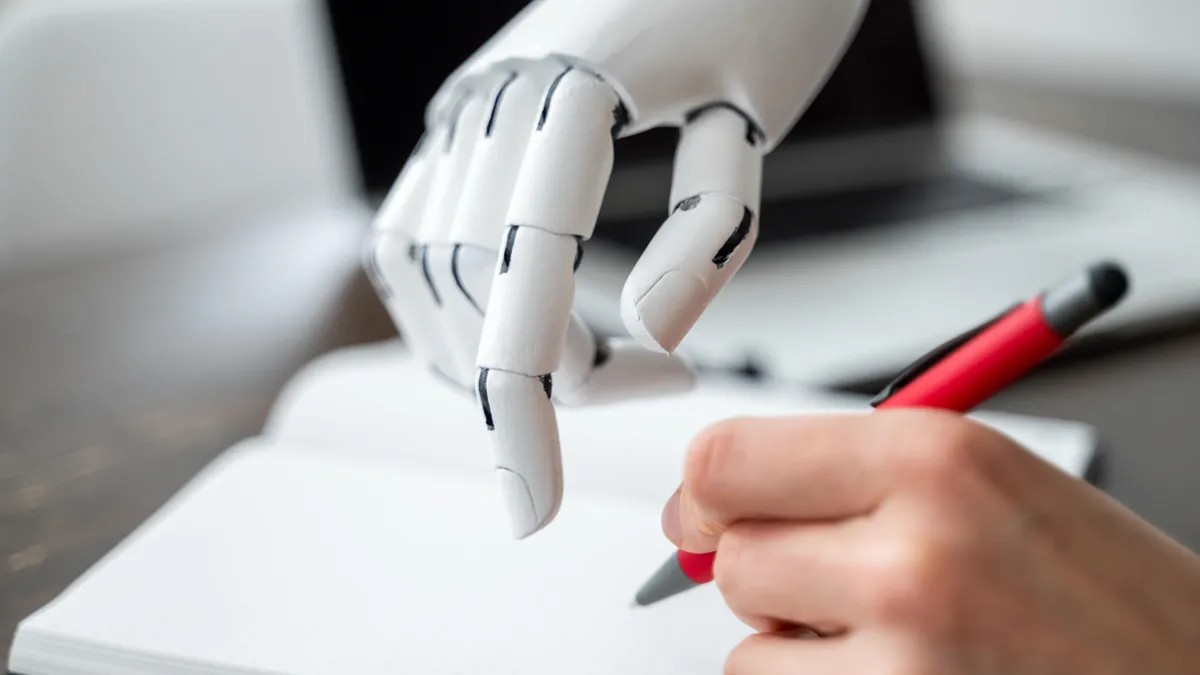
Hachette Book Group has pulled the US publication of author Mia Ballard’s horror novel, Shy Girl, after evidence emerged suggesting that generative artificial intelligence was used in its writing. This marks the first time a major publisher has canceled a previously-approved title over AI concerns, signaling a growing crackdown on undisclosed AI authorship in the industry.
The Cancellation and Allegations
The book, originally self-published in early 2025, was picked up by Hachette’s Orbit label for traditional release in the UK last November. However, following a report by The New York Times detailing AI-generated passages, Hachette removed Shy Girl from its website and canceled the planned US spring release.
Hachette stated that the decision reflects their “commitment to protecting original creative expression and storytelling.” Authors are contractually required to disclose any AI involvement in their work, a requirement Ballard allegedly violated. She claims an editor, not herself, was responsible for the AI-written portions of the manuscript.
Evidence of AI Use
Suspicion around Shy Girl has been building for months. Analysis by YouTuber frankie’s shelf highlights unusual linguistic patterns common in AI-generated text, including repetitive word use. The novel features the word “edge” 84 times and “sharp” 159 times, often in nonsensical or overly-abstract contexts.
Max Spero, CEO of AI detection firm Pangram, ran the full text through his program in January, estimating that 78% of Shy Girl was AI-generated. While AI writing has become prevalent in the self-publishing world, traditional publishers are now taking a much harder stance.
A New Era for Publishing?
The publishing industry was unprepared for the speed with which AI tools have advanced. Major houses like Hachette are now adapting quickly. The Shy Girl case sets a clear precedent: undisclosed AI authorship will not be tolerated. This decision raises questions about transparency and authenticity in writing and forces authors and publishers to confront the ethical implications of AI in creative work.
The fallout from this case could reshape publishing standards, forcing tighter scrutiny of submitted manuscripts and more rigorous AI detection practices.
Hachette did not immediately respond to further requests for comment.