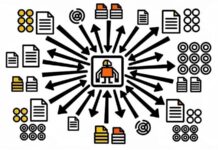
You searched for brake repair and butterscotch fudge ripple ice cream. Now you’re seeing ads for both. This isn’t coincidence; it’s the business model of data brokers – companies that collect, package, and sell your personal information.
When you use websites or apps, you agree to data collection. This data is then sold in ad auctions, compiled into detailed consumer profiles, and used for hyper-targeted advertising. The industry is estimated to be worth $277 billion, and your data is its currency.
Data brokers aren’t just selling to advertisers. Governments, financial institutions, and even criminal actors can purchase your information. Think of them as agents – they profit from your data while you receive nothing in return.
How Data Brokers Operate
Data brokers don’t grab one complete file on you. Instead, they piece together countless fragments from various sources using software and algorithms. This creates a holistic picture of your life, habits, and vulnerabilities.
These brokers fall into three categories:
- Marketing data brokers: Build consumer profiles for targeted ads. The more they know, the more likely they are to sell you something.
- People search sites: Aggregate public records into searchable profiles, often for a fee. Useful for finding long-lost relatives, but also a risk if you’re being searched.
- Risk mitigation brokers: Sell data to businesses for fraud prevention or identity verification. This can be helpful, but also opens the door to inaccurate assessments that impact your credit or insurance rates.
How Your Data Is Collected
Data brokers hunt for your information in three main ways:
- Public records: Web scraping extracts data from voter registration, property records, birth certificates, and court filings.
- Commercial sources: Retailers, loyalty programs, credit card companies, and even credit bureaus sell your spending habits, income level, and creditworthiness. Mastercard was previously caught selling customer data to third parties.
- Online activity: Cookies, tracking pixels, social media scraping, and mobile app permissions monitor your browsing history, interests, and location data.
What Kind of Information Do They Collect?
Data brokers collect virtually everything about you:
- Identity & Demographics: Name, addresses, age, gender, marital status, education.
- Behavior & Lifestyle: Shopping habits, browsing history, hobbies, political affiliations.
- Financial & Health: Income, credit score, debts, inferred health conditions.
What Do They Do With Your Information?
Once collected, your data is used for:
- Targeted advertising: Showing you ads based on your online searches or purchases.
- People search sites & background checks: Making your personal details available for a fee.
- Risk assessment: Insurance companies using your data to set premiums, potentially unfairly.
- Political campaigns: Micro-targeting voters with personalized messaging.
- Fraud & identity theft: In some cases, stolen data ends up in the hands of criminals.
In 2020 and 2021, the Justice Department took legal action against several data brokers for selling private information to scammers.
The Biggest Players in the Game
Some of the largest data brokers include:
- Experian, Equifax, and TransUnion (credit bureaus)
- LexisNexis
- Nielsen
- Oracle
- Epsilon
- Acxiom
Even tech giants like Google, Amazon, and Facebook amass vast amounts of user data.
Protecting Your Information
Protecting yourself from data brokers isn’t easy. You can request that they stop collecting or selling your information, but compliance is not guaranteed.
You can also:
- Use a VPN and privacy-focused browsers.
- Install reputable antivirus software.
- Limit app permissions.
- Read privacy policies (though few do).
- Be selective about loyalty programs.
Data removal services like DeleteMe, Optery, and EasyOptOuts can automate the opt-out process, but they come at a cost.
Your personal information isn’t truly yours. It belongs to the data brokers, who profit from your digital footprint while you have little control over how it’s used.
Ultimately, data brokers exist because your data is valuable. The question isn’t whether they’re collecting it, but what you’re willing to trade for convenience, discounts, or simply participating in the digital world.