
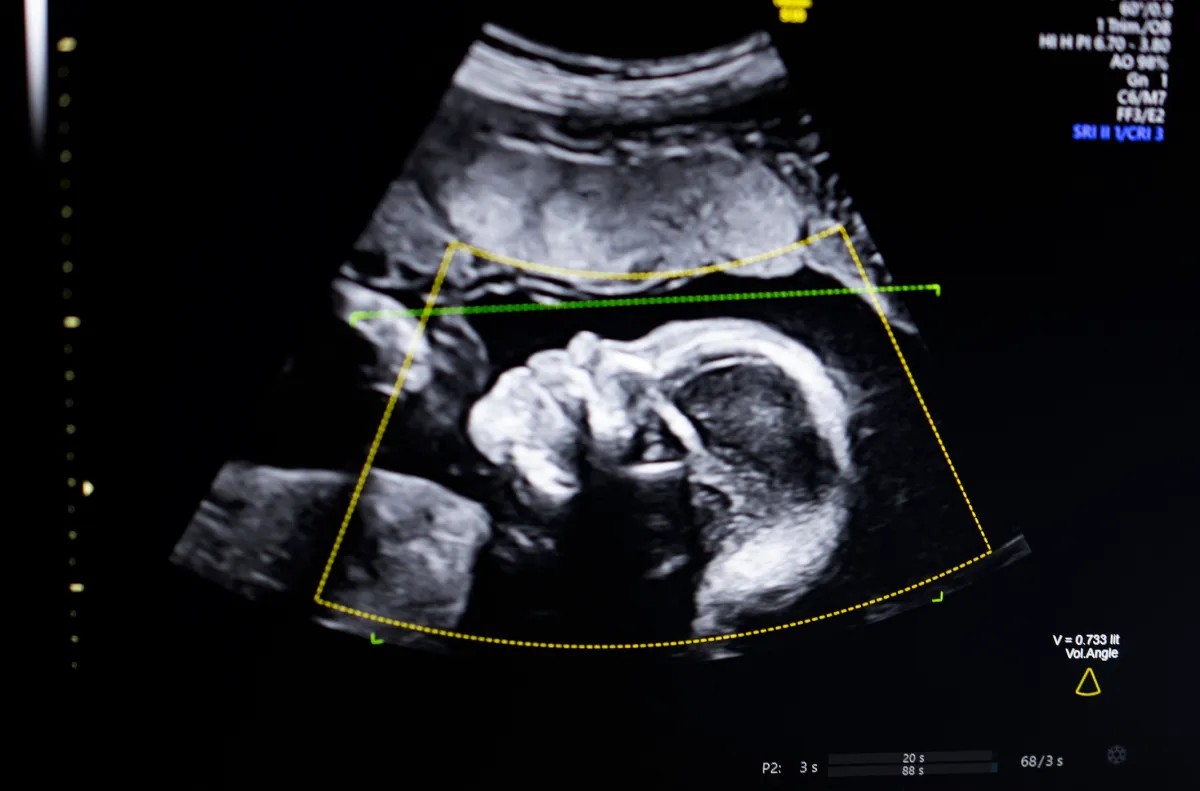
Biotics AI, the winner of TechCrunch Disrupt Battlefield 2023, has received FDA clearance for its AI-powered software designed to enhance the accuracy of fetal ultrasounds. The technology aims to address critical shortcomings in prenatal care, particularly in the United States where maternal health outcomes lag behind other high-income nations.
The Problem with Current Ultrasound Practices
Prenatal ultrasound is central to monitoring pregnancies, but image quality varies widely. Poor image clarity can lead to misdiagnosis, a risk that disproportionately affects vulnerable populations, including Black women who experience significantly higher rates of maternal mortality. The US has one of the worst maternal outcomes compared to other developed nations, and this tool is meant to help remedy that.
How Biotics AI Works
The software uses computer vision AI to improve ultrasound assessment in multiple ways:
- Quality assessment: Automatically checks image clarity.
- Completeness check: Verifies all key anatomical structures are visible.
- Automated reporting: Streamlines documentation for clinicians.
- Workflow integration: Designed for easy use within existing hospital systems.
Founder and CEO Robhy Bustami, who grew up surrounded by obstetricians, emphasized that the hardest part wasn’t building the AI itself, but ensuring it performed reliably across all demographics, especially those at highest risk. The AI was trained on a diverse dataset of 11,000 ultrasounds.
Why FDA Approval Matters
Biotics AI spent nearly three years navigating the FDA clearance process, which included rigorous testing and validation. Bustami notes that the key to success was integrating engineering, product development, clinical trials, and regulatory compliance from the start. This holistic approach accelerated the process and ensured the technology meets stringent safety and efficacy standards.
Next Steps
With FDA clearance secured, Biotics AI will now focus on scaling its distribution across health systems nationwide. The company also plans to expand its technology to cover more areas of fetal medicine and reproductive health. Bustami is confident the tool will make a real impact, improving both access to quality prenatal care and the health of mothers and babies.
The company is now positioned to scale distribution, clinical impact, and continue to deepen the power of their AI technology.
The approval of this AI-powered tool highlights a growing trend: the integration of machine learning into medical diagnostics to improve accuracy and reduce disparities. This represents a significant step toward more equitable and effective healthcare for all.