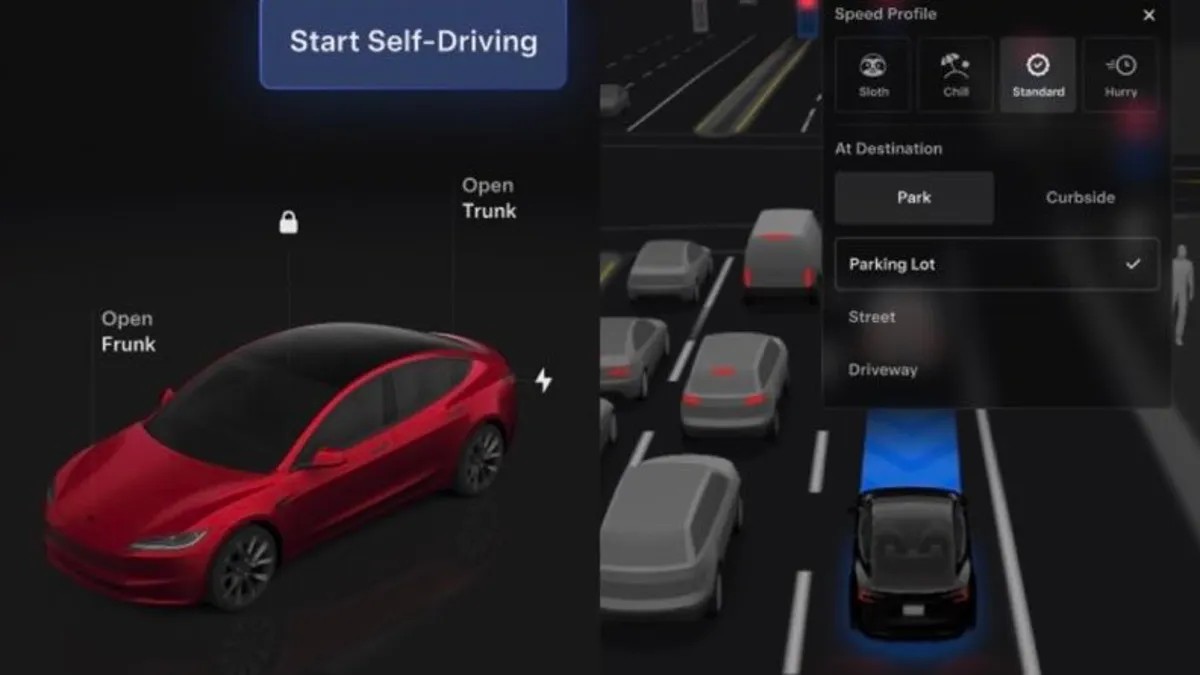
California regulators are threatening to temporarily suspend Tesla’s ability to sell vehicles in the state due to concerns over misleading advertising of its Autopilot and Full Self-Driving (FSD) features. The Department of Motor Vehicles (DMV) gave Tesla 60 days to correct its descriptions of these driver-assistance technologies, or face a 30-day suspension of its dealer license.
Years of Complaints Lead to Action
The DMV’s move follows years of complaints about Tesla’s marketing practices. The agency filed a notice of suspension in July, but the legal battle has been ongoing. Tesla has already made a minor adjustment by adding “(Supervised)” to the Full Self-Driving description on its website and homepage. However, the DMV is focused on the broader issue of misleading consumers about the level of automation provided by these systems.
The Core of the Dispute: Driver Supervision
The controversy centers on whether Tesla’s marketing implies that Autopilot and FSD require no driver oversight. Several lawsuits allege that such messaging has contributed to accidents, as drivers may overtrust the technology. This raises a critical question: How do we define “self-driving” when human supervision is still required? The lack of clear definitions creates confusion and potential safety hazards.
Industry-Wide Implications
While Tesla is currently in the spotlight, the issue extends beyond a single company. Brian Moore, chief policy officer at Bot Auto, emphasized that imprecise language around autonomous systems erodes public trust. “When terms imply full capability but still rely on human supervision, it creates confusion,” he stated. The automotive industry needs clearer standards for describing driver-assistance and truly autonomous vehicles.
Regulatory Scrutiny and Transparency
California’s action signals that regulators are increasing scrutiny of how self-driving technology is marketed. This push for transparency is seen as a positive step towards holding companies accountable for realistic claims. The DMV blocked a judge’s recommendation to suspend Tesla’s manufacturing license in the state, but the pressure remains on Tesla to ensure its advertising accurately reflects the capabilities of its systems.
The long-term impact of this ruling could reshape how all automakers communicate autonomous features, forcing greater clarity and reducing the risk of consumer misinterpretation.
Ultimately, this case is about ensuring that consumers understand the limitations of current self-driving technology. Without clear definitions and accurate marketing, the potential for accidents and eroded trust remains high.