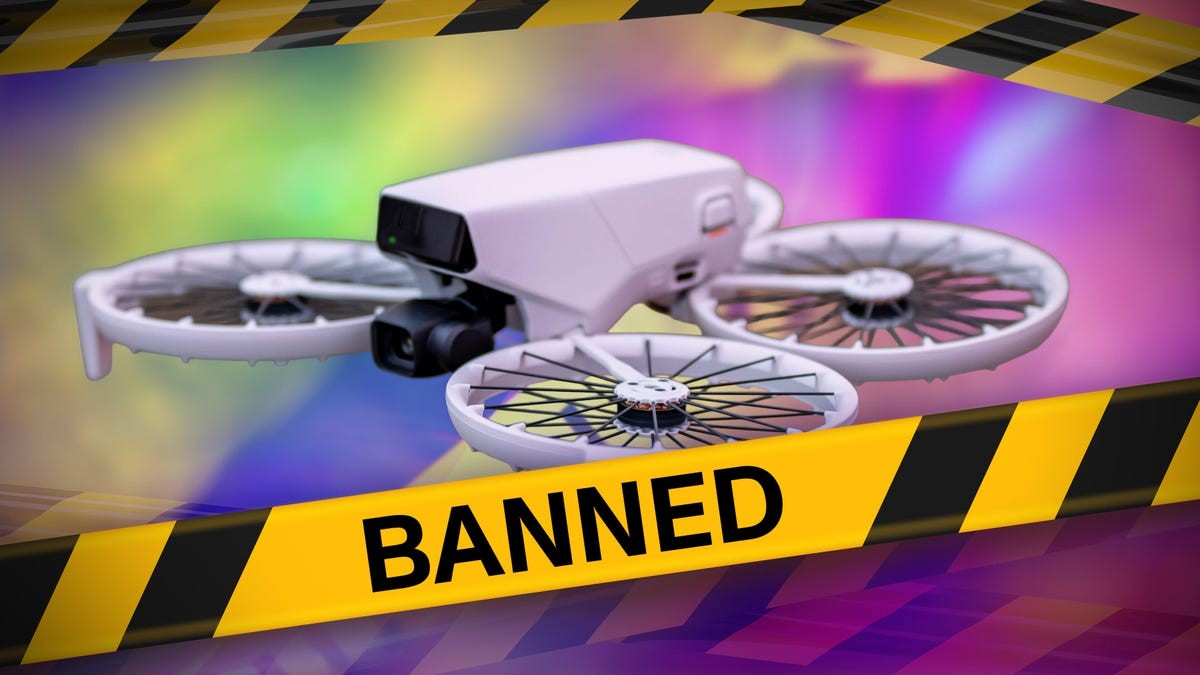
The Federal Communications Commission (FCC) has implemented a new ban on the import of drones manufactured by foreign companies, including industry leader DJI. Effective immediately, this decision restricts the sale of new drones from these manufacturers within the United States, citing national security risks.
What the Ban Means
The FCC added unmanned aircraft systems (UAS) and related components to its “Covered List,” which identifies technology deemed a threat to U.S. national security. This includes not just entire drones, but also critical parts like flight controllers, sensors, cameras, and even batteries. The move mirrors previous restrictions placed on Chinese telecommunications giant Huawei, effectively limiting DJI’s access to the American market.
Why it matters: This decision is a direct response to growing concerns about data security and potential surveillance risks associated with foreign-made drones. While no concrete evidence of wrongdoing has been publicly released, the FCC argues this action is necessary to safeguard critical infrastructure and mass gatherings. The timing aligns with upcoming high-profile events like the 2026 FIFA World Cup and the 2028 Los Angeles Olympics, where drone misuse could pose a significant threat.
DJI’s Response and the Broader Implications
DJI expressed disappointment with the ban, arguing that it lacks evidence and reflects protectionist trade policies. The company maintains its commitment to the U.S. market, suggesting future products may be cleared for sale if approved by the Department of Defense and Homeland Security. However, the current restrictions effectively halt new sales.
Existing owners are unaffected: The ban applies only to new imports, so consumers who already own DJI drones can continue to use them legally – for now. Government agencies have been prohibited from purchasing Chinese-made drones for some time, and this new rule extends those restrictions to the commercial and consumer sectors.
Why Now?
The FCC has been considering this ban for months, voting in October to “close loopholes” allowing potentially risky tech into the U.S. market. DJI previously requested a security audit to prove its products don’t pose a threat, but the audit never materialized.
The bigger picture: This move is part of a larger trend of U.S. government efforts to restrict access to technology from countries perceived as geopolitical rivals. The ban on TP-Link routers was also considered but not included in the latest update, indicating a focused approach on drone technology at this time.
“The federal government is taking additional actions to safeguard Americans and restore American airspace sovereignty,” the FCC stated in its announcement.
The ban has immediate effects. DJI’s latest models, such as the Mavic 4 Pro, were already unavailable in the U.S., and this decision ensures that situation won’t change. Despite consistently ranking among the best in its category, DJI’s future in the American market remains uncertain.
In conclusion, the FCC’s drone ban represents a significant escalation in U.S. efforts to control access to foreign technology, citing national security as the primary justification. Whether this action will genuinely enhance security or simply stifle competition remains to be seen, but its immediate impact on DJI and the drone industry is undeniable.