Peter Thiel, a tech billionaire and early investor in Palantir, predicted in 2010 that technology could offer an “alternative to politics”—a way to unilaterally shape the world without needing to persuade or plead with those who disagree. This vision is becoming increasingly plausible as artificial intelligence (AI) rapidly becomes the dominant industry, driven by major tech companies like Nvidia, Microsoft, and OpenAI.
The Shift in Power
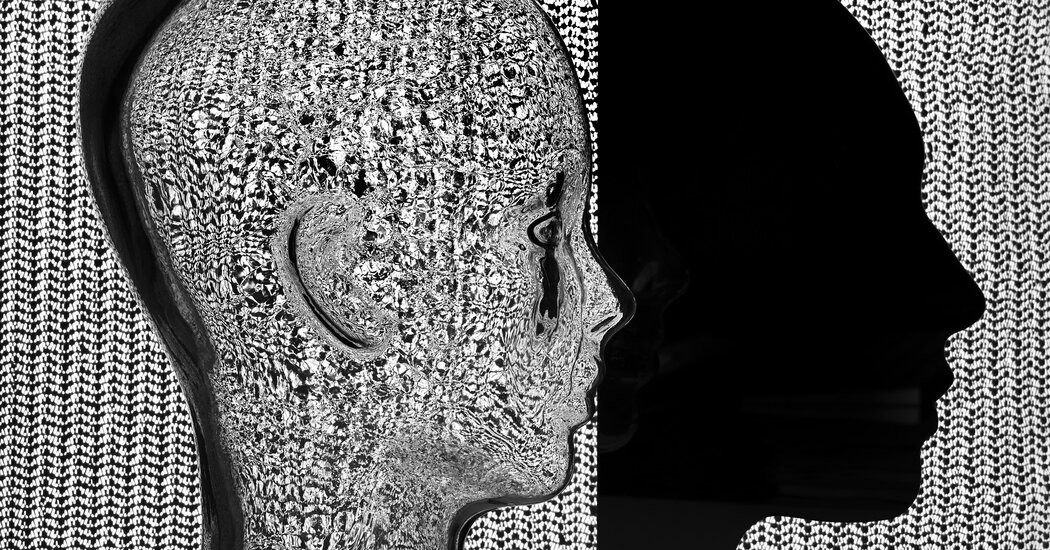
The question is no longer if AI will affect politics, but how much? A.I.’s unchecked growth could undermine democratic control by concentrating market, political, and cultural power. This isn’t just about automation taking jobs; it’s about AI potentially capturing entire markets and political systems if left unregulated.
The U.S. has already made significant investments in computing and software, outpacing other advanced economies since the 1990s. This head start positions the country to lead AI innovation, but also creates a risk: uncontrolled AI could transfer government authority to private corporations or political elites.
The Economic Risk
Economists Daron Acemoglu and Simon Johnson warned in 2023 that AI could either create new jobs or accelerate automation without offsetting benefits. The last three years have shown the latter is more likely. AI threatens a wide range of jobs, but its most dangerous potential is its ability to bypass traditional political processes entirely.
The Critical Decision
Whether AI exacerbates inequality and concentrates power depends on decisions made by Congress, corporations, and the public. The industry is moving at breakneck speed, but legislative and regulatory oversight lags behind.
The future isn’t certain, but one thing is clear: without proactive governance, AI could reshape power structures in ways that diminish democratic control.