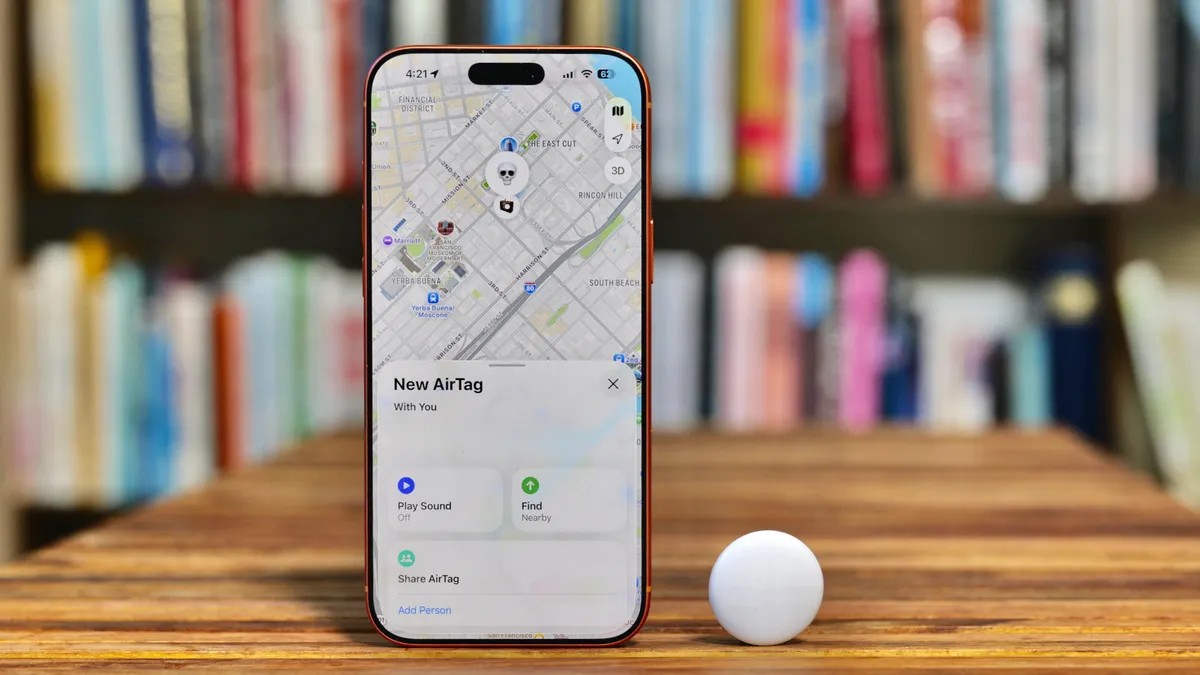
While the original Apple AirTags remain highly functional, the release of the second-generation model introduces technical refinements that make a compelling case for an upgrade. For users who rely on the “Find My” ecosystem to manage their daily lives, the transition from first-gen to second-gen isn’t just about novelty—it is about improved precision and reliability.
Why Upgrade? The Value Proposition
The decision to upgrade often comes down to a balance of cost and utility. Currently, first-generation AirTags can be found at a significant discount (roughly $60 for a four-pack), whereas the new models retail at the standard $99 price point.
However, the second-generation AirTags offer three specific technical advantages that justify the higher price for frequent users:
* Enhanced Range: Improved connectivity allows for better tracking over longer distances.
* Precision Finding: An upgraded ultra-wideband chip provides more accurate directional guidance via iPhone or Apple Watch.
* Increased Audibility: A louder internal speaker makes it easier to locate a lost item in noisy or cluttered environments.
The Top 4 Priority Items for Tracking
When deciding which items merit the upgrade, the most logical approach is to prioritize “high-frequency” items—the things you touch, carry, or rely on every single day.
1. Keys
Keys are the most common lost item and require the highest level of precision. Because the second-gen AirTag maintains the same physical dimensions as its predecessor, it fits seamlessly into existing keychains. The improved Precision Finding is the standout feature here, allowing you to navigate directly to your keys using your Apple Watch or iPhone.
2. The Everyday Bag (Backpack or Purse)
Whether it is a backpack containing a laptop and electronics or a purse holding essential cards, these bags are constant companions. An AirTag inside a bag provides a safety net for your most expensive mobile tech and sensitive personal documents.
3. Eyeglass Cases
For those who carry multiple pairs of glasses (such as progressive lenses for daily use and single-vision lenses for computer work), a dedicated glasses case is a frequent travel companion. While the AirTag is somewhat bulky in a small case, it serves as a vital tracker for an item that is both expensive and essential for vision.
4. Specialized Gear (Camera Bags)
For photographers or hobbyists, high-end gear represents a significant financial investment. The expanded Bluetooth range and precision features are particularly useful in outdoor settings—such as hiking or landscape photography—where a bag might be tucked away in tall grass or obscured by rocks.
Other Considerations and Alternatives
Not every item is a perfect candidate for a standard AirTag. Depending on your lifestyle, you may want to consider these alternatives:
- Wallets: Because the AirTag’s circular shape is too bulky for traditional leather wallets, users should look toward card-shaped trackers (like the Peak Design Beacon Finder Card) which offer a much slimmer profile.
- Travel Luggage: While the second-gen AirTag is an improvement, first-gen tags remain highly effective for airport travel, as most modern luggage handling systems are already optimized to detect them.
- Outerwear: Placing an AirTag in the pocket of a frequently worn coat is an excellent way to prevent losing expensive clothing in public spaces like cafes or restaurants.
Summary: The move to second-generation AirTags is most beneficial for users who prioritize precision and range for their most essential, high-frequency items like keys, daily bags, and specialized equipment.