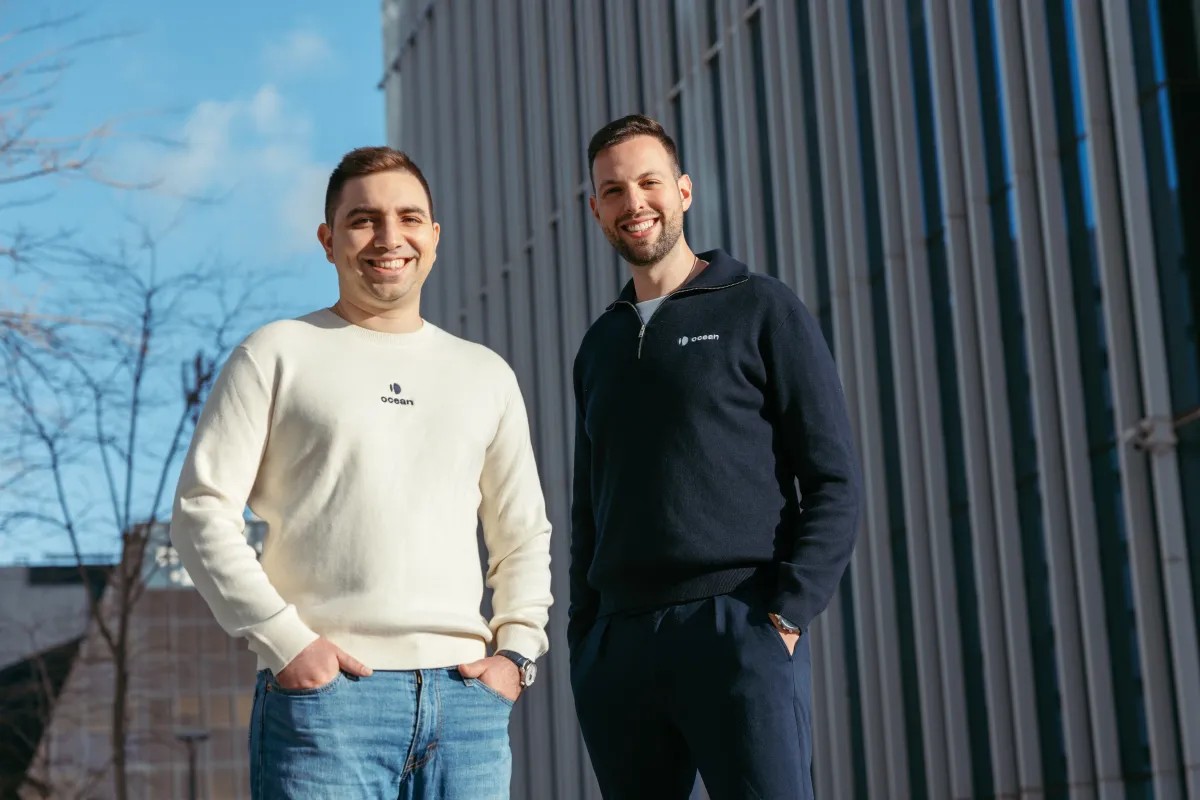
Shay Shwartz got caught.
He was 16. A teen hacker. Making money breaking into systems, just for the thrill. Then the handcuffs came, and everything shifted.
Instead of launching attacks, he started preventing them.
He spent the next decade climbing the ladder at Israel’s elite defense and intelligence outfits. Big projects. Real stakes. Including work tied to the Iron Dome system. It’s not every day you apply missile-defense logic to code. He joined Axis later. The startup HPE acquired. Good tenure. Solid reputation.
But he wanted out.
Two years ago, he launched his own venture.
Ocean.
It’s an agentic email security platform. Designed to fight back against AI-powered attacks. It just exited stealth. Raising $28 million.
The round was led by Lightspeed Venture Partners. Picture Capital and Cerca Partners joined in. Then the angel heavyweights stepped up. Assaf Rappaport from Wiz. Yevgeny Dibrov. Nadir Izrael. The co-founders behind Armis. Which recently sold to ServiceNow. For $7.75 billion.
Big checks. High hopes.
Shwartz sits next to his co-founder and CTO, Oran Moyal. They think the current guardrails are failing.
Established players like Proofpoint and Mimecast do fine with standard phishing. Newer guys like Abnormal Security catch the usual tricks. But Shwartz says AI changes the rules. Completely.
Old spear-phishing required effort. Lots of it. Manual research. Hours spent learning your target. It was tedious. Only sophisticated hackers could bother with it.
“AI just made the entire processautomatic. So the scale is much. Much. Bigger now.”
That’s Shwartz, speaking to TechCrunch. He points out how Large Language Models (LLMs) have removed the friction.
He can tell an AI to research him. To scrape public data. To craft a message that feels intimate. Personal. Targeted.
It takes seconds. Not days.
So Ocean fights AI with AI.
The startup claims it can analyze the full context of incoming emails. Spot fraud. Catch impersonation before the victim clicks.
They aren’t starting from zero either.
Ocean processes billions of emails every month. Big clients already onboard. Kayak. Kingston Technology. Headspace.
The secret sauce?
Shwartz explains they built a smaller language model. Tailored specifically for email analysis. It reads the sender’s intent. Then checks that against the specific organizational context of the user.
Think of it as a security guard standing at every door.
Or a bouncer with infinite patience.
“This is how we make the inbox safe with high hygiene.”
High hygiene. That’s the goal.
Because if the guard sleeps. Or looks away.
Well. Let’s see what happens then.