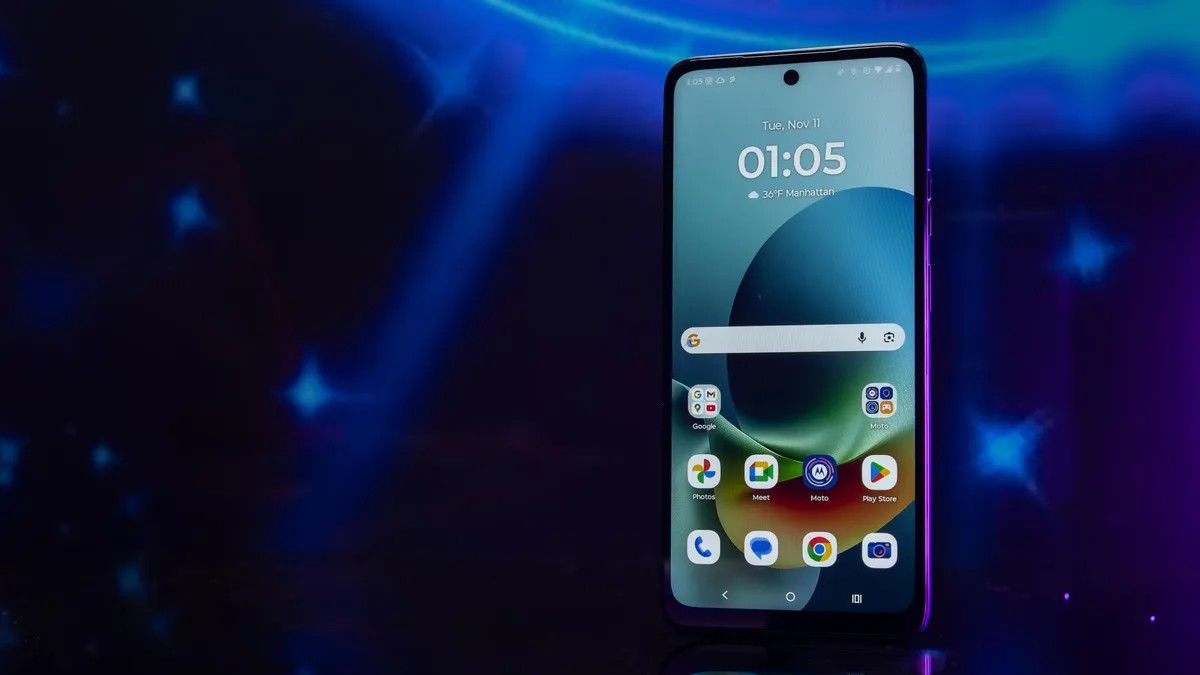
Motorola’s $180 Moto G Play (2026) is a no-frills smartphone aimed at the most price-conscious consumers. While it offers some modern features like 5G and NFC, its severe compromises in storage and performance make it a hard sell for anyone with even moderate needs.
Limited Storage and Performance
The Moto G Play ships with just 64GB of internal storage—an increasingly unacceptable amount in 2026. While a microSD card slot is available, the need to purchase an expansion immediately after buying the phone undermines the low initial cost. The 4GB of RAM also struggles with even basic multitasking, making app switching and message syncing sluggish. Motorola provides a “RAM Boost” feature to mitigate this by repurposing storage as virtual memory, but that feels like a patch for a fundamental flaw.
The reality is simple: if you plan to use more than a handful of apps or download media, the Moto G Play will quickly become unusable without additional expenses. Given that the slightly more expensive Moto G starts at 128GB, the price difference is now minimal and makes the G Play a questionable value.
Design and Key Features
The phone sports a single “Pantone Tapestry” color option, a blueish-green textured vegan leather back. This is a welcome change from the bland plastic designs common in this price range. The inclusion of a headphone jack and dual stereo speakers is a plus, though the 6.7-inch 720p display feels dated, with noticeable graininess despite the 120Hz refresh rate.
More importantly, Motorola includes 5G connectivity and NFC, features increasingly vital in modern daily life. This is a smart move, as these features are now standard in transit systems and retail environments. The 5,200 mAh battery provides solid, two-day endurance for light users, though charging at 18W is slow.
Camera Quality: A Major Compromise
The Moto G Play’s 32-megapixel main camera and 8-megapixel front-facing camera are functional at best. Photos lack detail and suffer from significant noise, especially in low light. The camera is sufficient for casual sharing in group chats, but it won’t capture high-quality memories.
The trade-off is clear: Motorola prioritizes core functionality over advanced camera capabilities. If you need better photos, you’ll need to spend more.
Software and Support
The Moto G Play runs Android 16 with Motorola’s customizations, including familiar gestures like the wrist twist for the camera and chop motion for the flashlight. Google’s Circle to Search is also included. Software support is limited to two major Android updates and three years of security patches—less than competitors like Samsung, but comparable to other sub-$200 devices.
The Verdict
The $180 Moto G Play is a bare-bones device that meets the absolute minimum requirements for a modern smartphone. It’s acceptable for those who need basic calling, texting, and light media consumption. However, its limited storage, sluggish performance, and subpar camera make it a poor choice for anyone expecting more than the essentials.
If you need more than 64GB of storage or decent photo quality, spending the extra $20 on the Moto G is a far more sensible investment. The Moto G Play is a reminder that sometimes, the cheapest option ends up costing more in the long run.