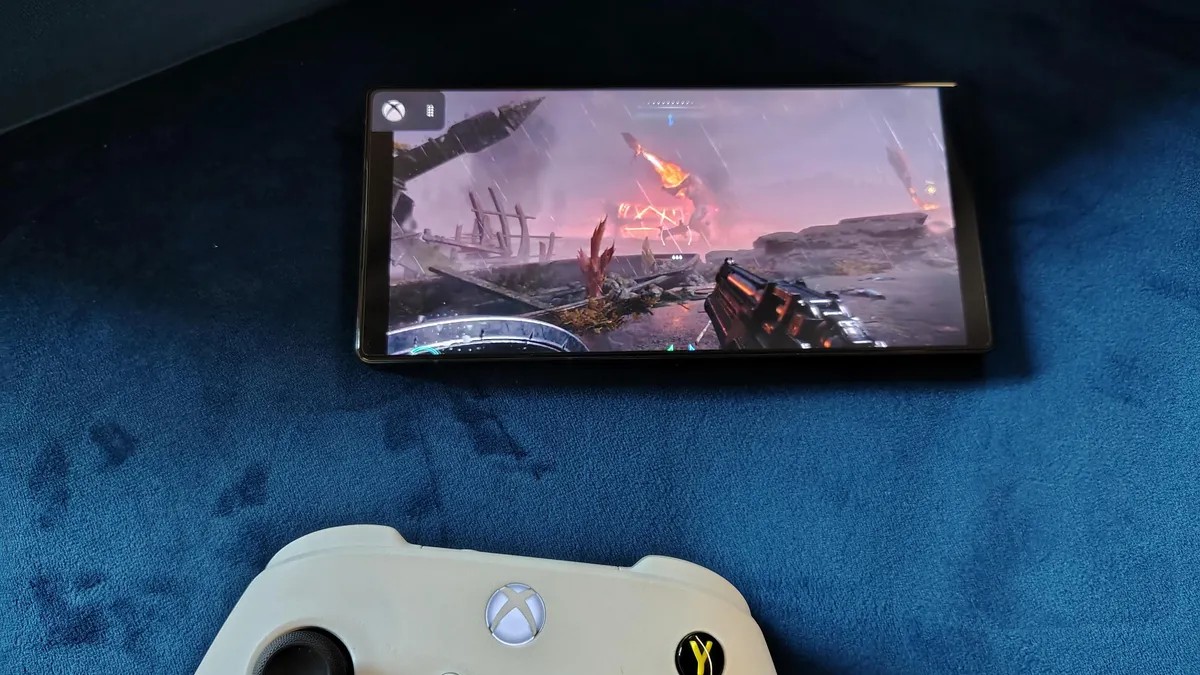
Microsoft is experimenting with a new, free tier of its Xbox Cloud Gaming service supported by advertisements, as confirmed by company officials to The New York Times on Friday. This move comes as the tech giant prepares to raise the price of its flagship Game Pass subscription on November 4th.
A Response to Subscription Fatigue?
The ad-supported version is currently undergoing internal testing. Users participating in the trial will reportedly encounter approximately two minutes of advertising before gaining access to streamed games. This offering will be available across PCs, Xbox consoles, handheld devices, and web browsers, allowing access to select titles from a user’s library, Xbox Retro Classics, and Free Play Days games.
The decision to explore an ad-based model mirrors a growing trend among streaming services like Netflix, Disney Plus, and Hulu, which have introduced lower-cost, ad-supported tiers to attract and retain subscribers. As of May, nearly half of all streaming subscriptions were ad-supported.
Xbox Faces Headwinds
This development arrives during a challenging period for Microsoft’s Xbox division. Console sales of the Xbox Series X|S have declined by 22% compared to last year, partly due to price increases that have raised the console’s cost by $150 since its launch five years ago.
Adding fuel to the fire, the announcement of Game Pass price hikes sparked a surge in cancellations, so severe it briefly crashed the service’s cancellation page. This suggests many subscribers are sensitive to price increases, creating an opening for an ad-supported alternative.
The timing is notable given Microsoft’s recent decision to bring the Halo franchise to PlayStation for the first time, with the upcoming Halo: Campaign Evolved. This marks a significant shift in Microsoft’s previously exclusive approach to its flagship IP.
Future Outlook
It remains unclear whether Microsoft will officially integrate this free, ad-supported tier into Xbox Game Pass or launch it independently alongside the subscription price increase. The company has yet to provide further details. Regardless, the move signals a willingness to adapt to market pressures and potentially offset declining hardware sales with alternative revenue streams.
The success of this ad-supported model will hinge on whether users are willing to tolerate interruptions in exchange for free access to games. For Microsoft, it represents a strategic gamble as it navigates a competitive gaming landscape.