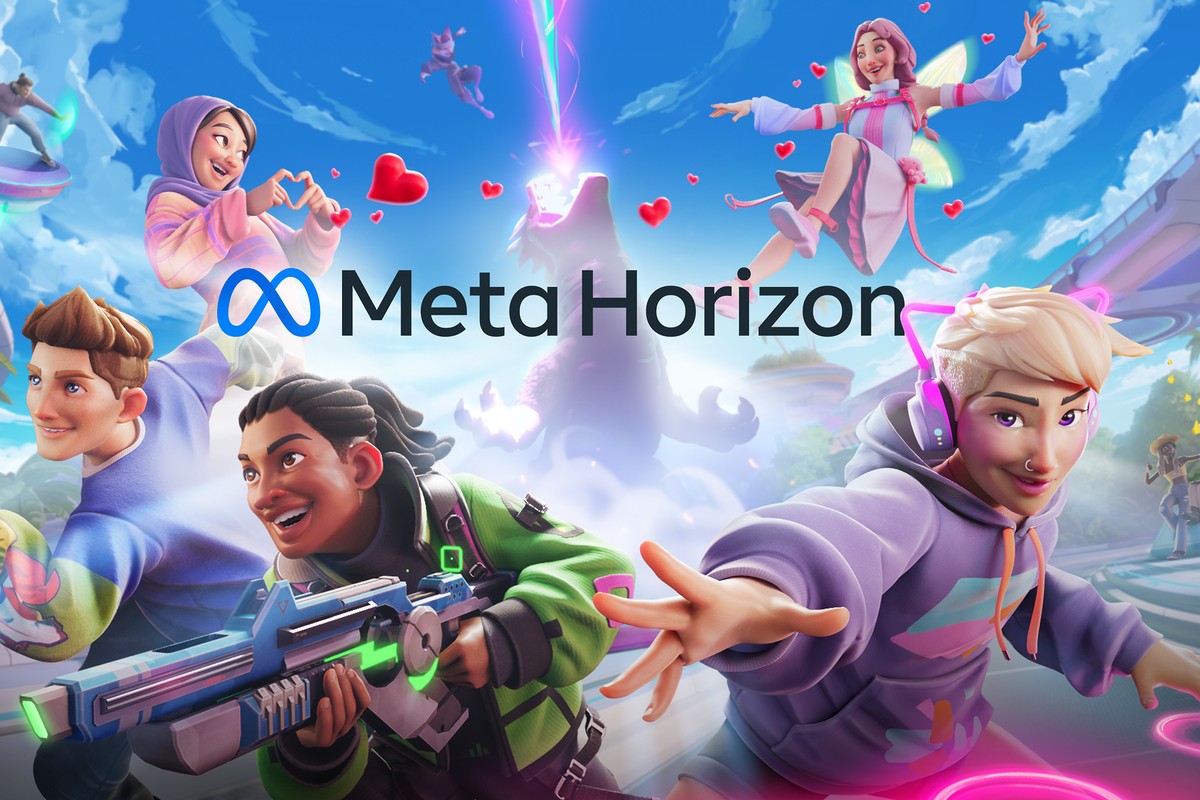
Meta, the tech giant formerly known as Facebook, has once again demonstrated the volatile nature of its metaverse ambitions by first announcing the shutdown of its flagship VR world, Horizon Worlds, then reversing that decision just days later. The company’s on-again, off-again approach to the technology highlights the ongoing struggle to define the future of immersive digital experiences.
The Metaverse’s Uncertain Future
The metaverse, envisioned as a persistent, shared virtual space accessible through VR headsets, has been a central focus for Meta since its 2021 rebranding. The company’s Reality Labs division has poured over $73 billion into the project, yet adoption remains stubbornly low. Despite the massive investment, the Quest headsets – the primary hardware for accessing Horizon Worlds – have failed to reach mainstream traction.
Earlier this year, Meta laid off approximately 1,500 employees within the Reality Labs division, signaling a potential shift in strategy. The initial decision to shutter Horizon Worlds altogether underscored these concerns. Meta planned to limit access to the platform to web and mobile apps, effectively abandoning the immersive VR experience that was once touted as the future of social interaction.
User Pushback Forces a Reversal
However, the announcement triggered a swift and vocal backlash from a dedicated, though small, user base. In response to an Instagram Q&A, Meta’s Chief Technology Officer, Andrew Bosworth, revealed that the company had reversed course: “We have decided… that we will keep Horizon Worlds working in VR.”
The decision to maintain the VR version of Horizon Worlds appears to be driven by direct user feedback, with one heartbroken fan voicing their disappointment at the initial shutdown. Despite this retention, Meta still intends to emphasize the mobile version of Horizon Worlds, suggesting that the VR component will continue to operate as a niche offering.
Mobile Growth vs. VR Stagnation
Bosworth pointed to continued growth in Horizon Worlds’ mobile app usage as a key factor in prioritizing that platform. The company is essentially doubling down on accessibility, shifting away from the hardware-dependent VR experience that has so far failed to capture a wider audience.
The reversal underscores the fundamental challenge facing Meta: translating the vision of a fully immersive metaverse into a product that people actually want to use.
The future of Meta’s metaverse remains uncertain. While the company continues to invest in the technology, the volatile decision-making process and lack of widespread adoption suggest that the dream of a fully realized digital world may still be years away.