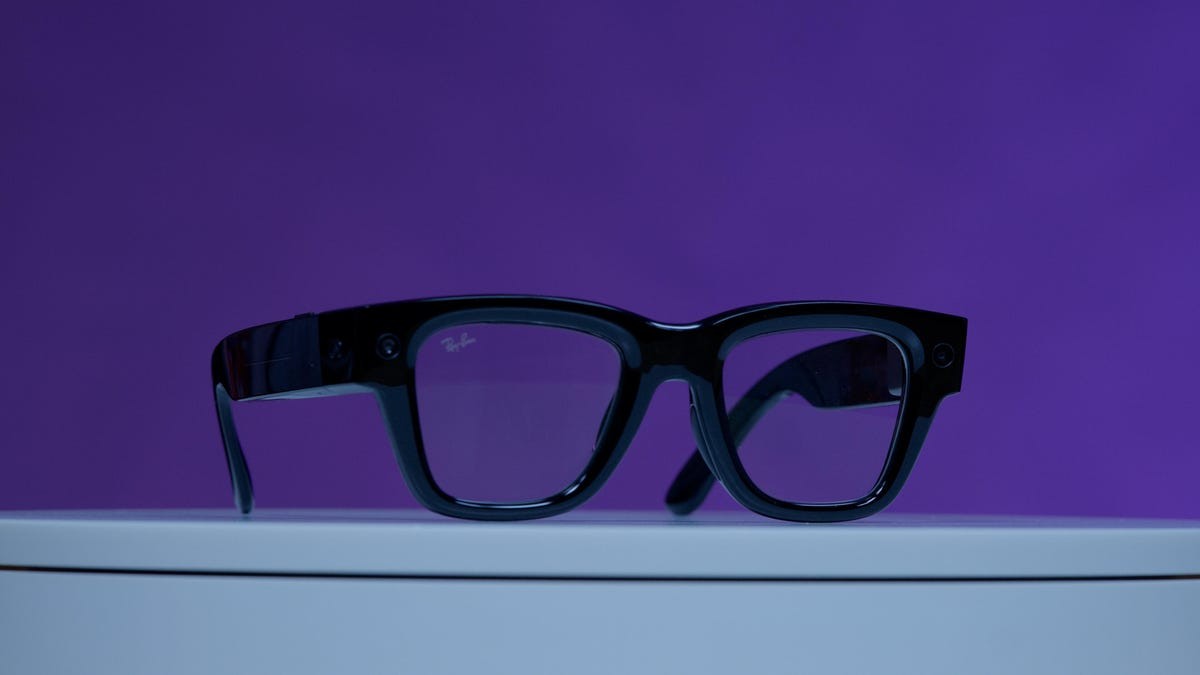
Meta has temporarily halted plans to expand sales of its Ray-Ban Display smart glasses to the UK, France, Italy, and Canada. The company cites overwhelming demand and limited stock as the primary reasons for the delay. Originally scheduled for early 2026, international availability is now uncertain as Meta prioritizes fulfilling existing U.S. orders, some of which currently extend into late 2024.
The Supply Challenge
This pause isn’t a sign of trouble, but rather a recognition that first-generation hardware always faces production constraints. According to IDC research director Ramon Llamas, keeping initial volumes low allows Meta to iron out bugs and refine the product before scaling up.
The Ray-Ban Display glasses, priced at $800, are notable for their integrated miniature display and neural band controller. CNET’s Scott Stein described them as “impressive,” but also highlighted that they still feel like an early-stage product.
Smart Glasses Market Heats Up
The delay comes at a time when smart eyewear is gaining traction. Companies like Google (with Project Aura) and Apple are expected to enter the market soon, intensifying competition. Meta’s Ray-Ban line has already established a strong position, but maintaining momentum requires careful management of supply and international expansion.
New Features in the Pipeline
Despite the rollout pause, Meta is still pushing forward with software enhancements. Two key features were unveiled at CES 2026 : a teleprompter for discreet speech assistance and EMG handwriting, allowing users to write on surfaces with their fingers and convert it to digital text for messaging apps like WhatsApp and Facebook Messenger.
Why This Matters
The Ray-Ban Display glasses represent a step towards mainstream augmented reality. While the tech isn’t perfect yet, the demand suggests there’s a real appetite for wearable computing. Meta’s decision to slow international expansion isn’t a setback, but a calculated move to ensure quality control and avoid scaling issues. As analyst Daniel Burrus points out, navigating international regulations, certifications, and servicing adds complexity to the process.
Ultimately, this pause highlights the challenges of bringing cutting-edge technology to a global market. The strong response to the Ray-Ban Display suggests that despite these hurdles, the future of smart glasses remains bright.