Indonesia will prohibit individuals under the age of 16 from accessing major social media platforms starting March 28th, mirroring similar measures implemented in Australia and signaling a broader global effort to regulate youth access to online content.
Rationale Behind the Ban
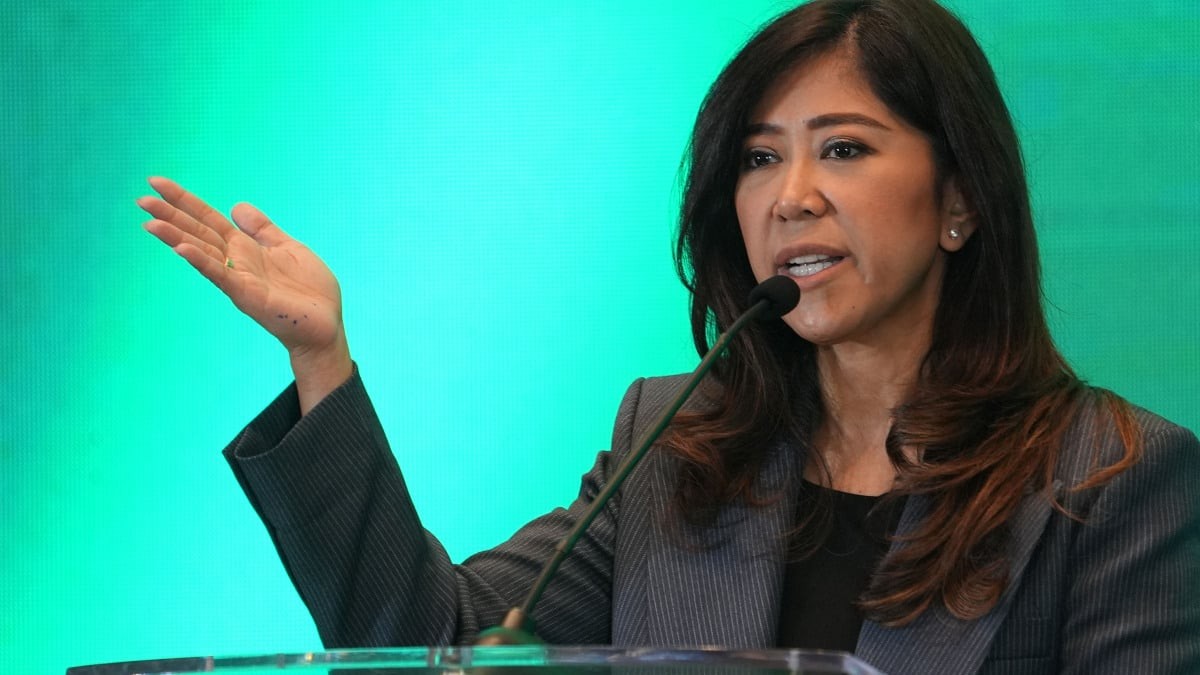
The decision, announced by Indonesia’s Minister of Communication and Digital Affairs, Meutya Hafid, stems from concerns over exposure to harmful material, including pornography, cyberbullying, online fraud, and addictive behavior on platforms like X (formerly Twitter), YouTube, Facebook, Instagram, Threads, Roblox, and Bigo Live. The ban will involve deactivating existing accounts belonging to minors, though the exact enforcement mechanism remains unclear.
Global Context: Increasing Restrictions on Youth Social Media Access
This move is part of a rising trend of governments worldwide taking action to shield children from perceived risks associated with social media.
- Australia implemented a similar ban last year.
- In the United States and the United Kingdom, lawmakers are enacting age-verification laws to restrict access to adult content.
- The ongoing landmark trial in the U.S. focused on social media addiction highlights the growing recognition of these platforms’ potential harms.
Indonesia’s Shifting Digital Policies
The timing is notable: Indonesia recently lifted a ban on Elon Musk’s AI chatbot, Grok, after initial safety concerns, indicating a cautious approach to technological access. The country will continue monitoring Grok’s safety protocols, showcasing its willingness to balance innovation with risk mitigation.
This ban reflects a growing consensus among policymakers that traditional self-regulation by social media companies is insufficient to protect young users. As governments grapple with the complexities of digital safety, more restrictive measures are likely to emerge, raising questions about privacy, enforcement, and the future of online access for minors.
The Indonesian ban underscores the urgent need for international cooperation on digital safety standards and the development of effective age-verification technologies.