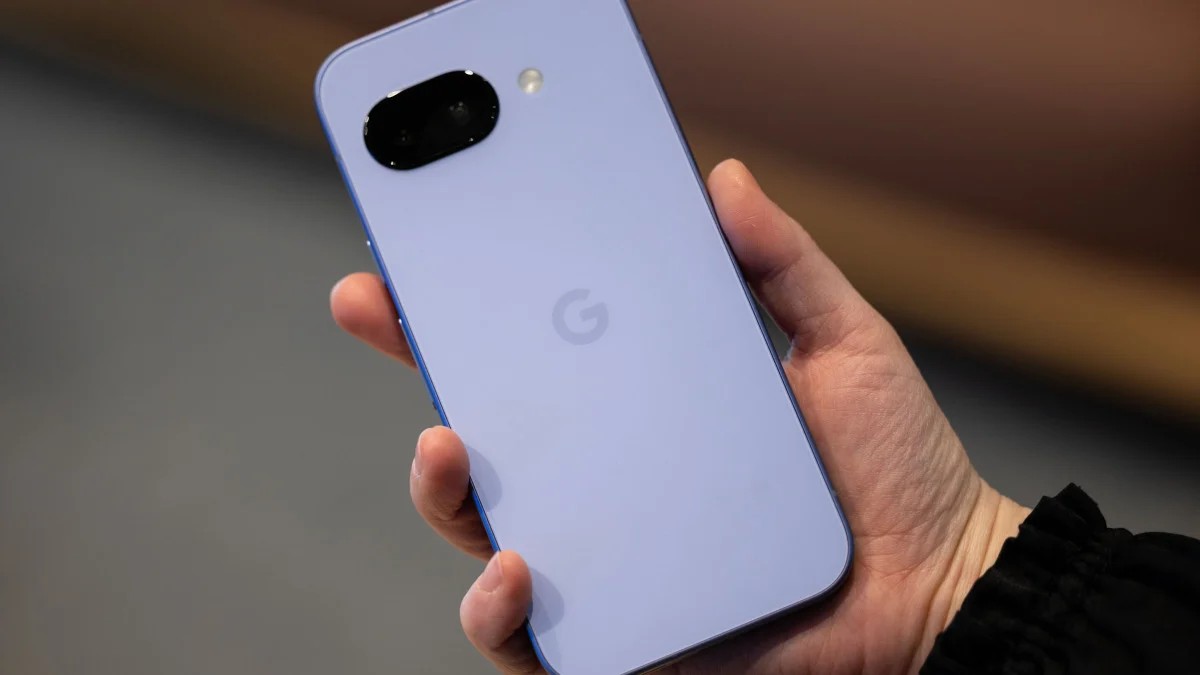
Google is working on a new facial recognition system, internally called “Project Toscana,” with the goal of bringing Apple Face ID-level performance to Pixel phones. According to exclusive reporting from Android Authority, the technology is currently in testing, with prototypes being used by Google employees in Mountain View, California.
Performance and Reliability
Early tests show that Project Toscana matches Apple’s Face ID in speed and, critically, functions reliably even in low-light conditions. This is a significant step forward for Google, which has historically struggled to deliver consistent facial recognition on its Pixel devices.
Previous attempts included the Pixel 4’s radar-and-IR sensors, later discontinued, and more recent camera-based solutions that improved with machine learning but still faltered in darkness. The Pixel 8 introduced face unlock for payments and secure apps, but it remains imperfect in low-light scenarios.
Long-Term Strategy and Future Devices
This development aligns with prior reports indicating Google’s exploration of infrared (IR) technology for future Pixel models, possibly as early as the Pixel 11. The exact hardware implementation—whether Toscana will require a display cutout or remain compatible with existing hole-punch cameras—remains unconfirmed.
The timing is notable, given the recent launch of the Pixel 10a, which retains the Tensor G4 processor and AI features from the flagship Pixel 10. While hardware upgrades were incremental, biometric improvements were absent.
Implications for Android Ecosystem
Project Toscana suggests Google is serious about establishing a direct competitor to Face ID. If successful, this could elevate Android’s biometric security to match iOS standards, potentially becoming a key differentiator for the Pixel line. The fact that Google appears committed to this feature after multiple attempts suggests they may finally have a solution they intend to maintain long-term.
Google’s persistence in refining facial recognition points to a broader strategy: to secure its hardware ecosystem with best-in-class biometric authentication. This move could impact user trust and potentially set new industry benchmarks for Android devices.