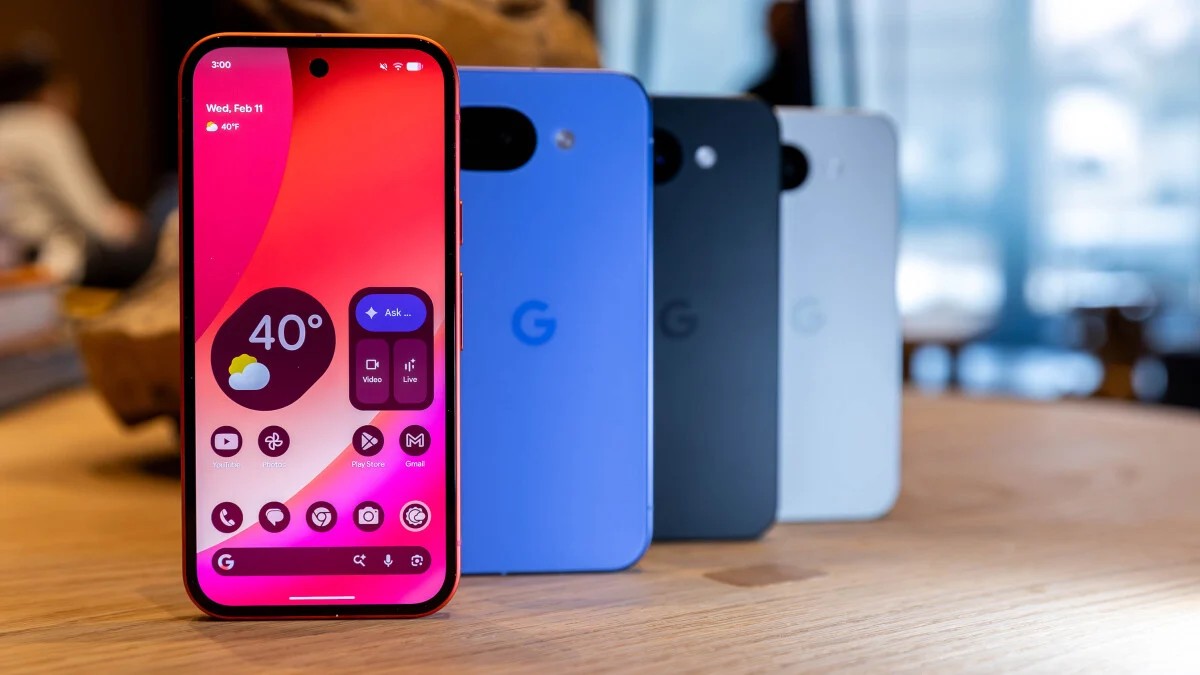
Google’s latest A-series offering, the Pixel 10a, arrives as a familiar but competent entry in the mid-range smartphone market. Priced at $500, the device largely mirrors its predecessor, the Pixel 9a, with incremental improvements rather than groundbreaking features. While it won’t turn heads, the Pixel 10a delivers a reliable Android experience at a competitive price, and includes a unique design choice that may appeal to some.
Design and Build: A Flat Back Revolution?
The most noticeable physical change is the elimination of the camera bump. Unlike many modern smartphones that protrude from the back, the Pixel 10a’s camera array is now flush with the rear panel, a small but practical improvement. Available in Lavender, Berry, Fog, and Obsidian, the device maintains the streamlined aesthetic introduced with the Pixel 9a but refines it further with slimmer bezels and Gorilla Glass 7i for enhanced durability.
This seemingly minor adjustment makes the Pixel 10a lie perfectly flat on surfaces, a detail that may not sound important, but highlights a frustrating trend in other premium phones that wobble when placed face down.
Performance and Battery: Familiar Territory
Under the hood, the Pixel 10a sports the Google Tensor G4 processor, a step down from the Tensor G5 found in the more expensive Pixel 10. While this means missing out on some of the newest AI features, day-to-day performance remains smooth and responsive for typical smartphone tasks. The phone comes with 8GB of RAM and storage options of 128GB or 256GB.
Battery life is rated for roughly 30 hours, though real-world usage is closer to 24 hours with moderate use. The inclusion of 30W fast wired charging and 10W wireless charging adds convenience, but the battery capacity itself remains unchanged from the Pixel 9a.
Software and AI: Where the Cuts Hurt
The biggest trade-off with the Pixel 10a is its limited AI capabilities. While it retains features like Best Take and Circle to Search, it lacks the advanced features of the Pixel 10, such as Magic Cue (context-aware assistant) and Daily Hub (personalized news feed). The omission of automatic voice translation in calls is another notable downgrade.
Google’s decision to cut back on AI features feels particularly jarring, as these tools have become a key differentiator for the Pixel line. The Tensor G4 chip’s limitations are now clearly felt, making the Pixel 10a less of a “Pixel” than its pricier sibling.
Cameras: Solid, Not Spectacular
The Pixel 10a features a dual-camera setup: a 48MP wide lens, a 13MP ultra-wide, and a 13MP selfie camera. Image quality remains strong, with vibrant colors and sharp detail. However, it lacks the telephoto lens found in the Pixel 10, limiting zoom capabilities.
Features like Macro Focus and Night Sight are present and functional, but the camera system as a whole doesn’t offer substantial improvements over the Pixel 9a.
Value and Availability
The Google Pixel 10a is available now through Amazon, with launch promotions including a free $100 gift card or a pair of Pixel Buds 2a. The phone’s price point and incremental upgrades make it a sensible choice for budget-conscious consumers who prioritize a clean Android experience and reliable performance.
In conclusion, the Pixel 10a is a competent smartphone that doesn’t push boundaries. It’s a well-rounded device that delivers a solid experience without any major surprises. The lack of significant innovation may disappoint some, but for users seeking a dependable and affordable Android phone, it remains a viable option.