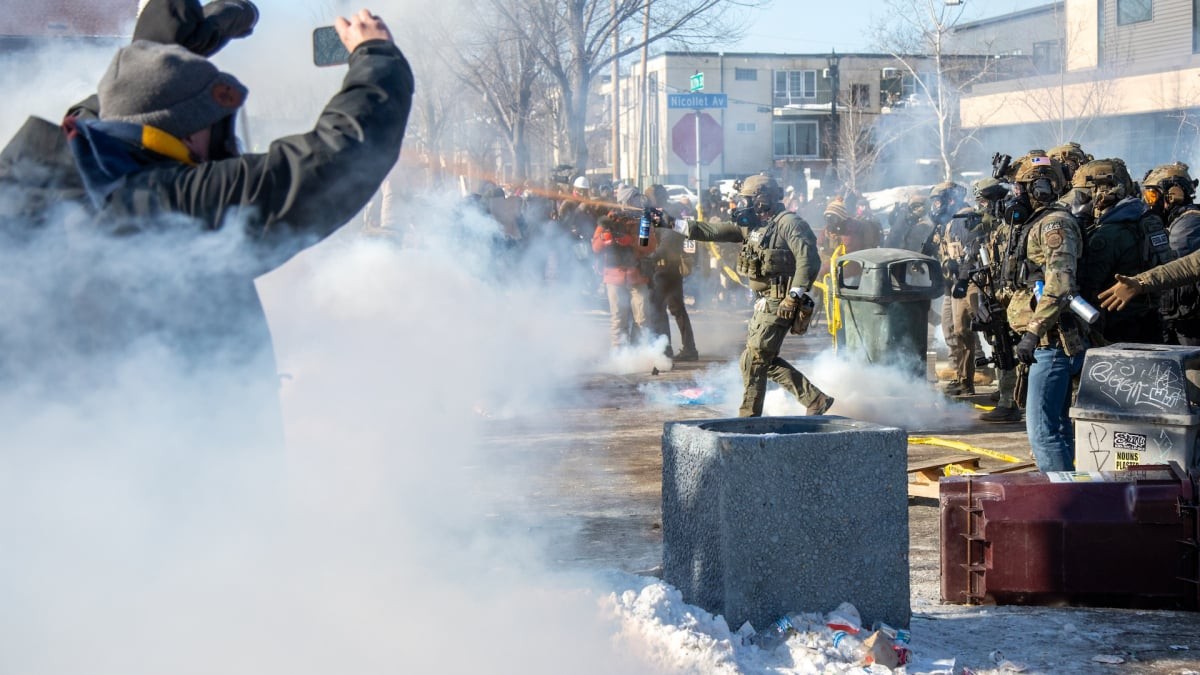
The FBI, under the direction of Kash Patel, has initiated an investigation into encrypted messaging app Signal, focusing on its use by organizers tracking Immigration and Customs Enforcement (ICE) agents in Minneapolis. The probe, announced publicly via a right-wing podcast, has drawn immediate criticism from legal experts who question its justification and potential First Amendment implications.
The Spark: Right-Wing Journalist’s Claims
The investigation’s origin traces back to posts by Cam Higby, a self-described independent journalist with right-leaning views, who shared alleged screenshots from a Signal chat among anti-ICE activists. Higby claims the chat contained shared license plate information of federal immigration officers, and openly called for a “witch hunt” akin to the January 6th prosecutions.
Patel confirmed that Higby’s post directly triggered the FBI’s action, stating that any illegal activity identified through the chat would lead to arrests. This approach, however, has raised eyebrows, as the evidence of wrongdoing remains unverified.
First Amendment Concerns
Legal scholars argue that merely sharing publicly available information, even about law enforcement personnel, does not constitute illegal activity. Kevin Goldberg of the Freedom Forum stated that the reviewed exchanges appeared to be fully protected under the First Amendment, focused on observation, reporting, and alerting others to potential dangers.
Patrick G. Eddington of the Cato Institute called the investigation an “epic constitutional and legal fail,” highlighting a decades-old court precedent affirming citizens’ right to monitor government agencies, including ICE, for misconduct using encrypted communication.
Signal’s Encryption and Government Access
While Signal provides end-to-end encryption, it does comply with legally binding subpoenas and search warrants. The app publishes transcripts of correspondence with government agencies, but does not hand over user conversations. ICE also reportedly contracts with Cellebrite, a digital forensics firm, to unlock phones and extract data, including Signal messages.
Context and Implications
The FBI’s action is unusual in its public announcement and reliance on unverified claims from a partisan source. This raises questions about whether the investigation is driven by genuine concerns about criminal activity or by political pressure to suppress dissent. The case highlights a growing tension between law enforcement’s surveillance capabilities and citizens’ First Amendment rights in the digital age.
The investigation will likely serve as a test case for how aggressively the government pursues individuals using encrypted communication to monitor law enforcement, potentially setting a precedent for future actions.