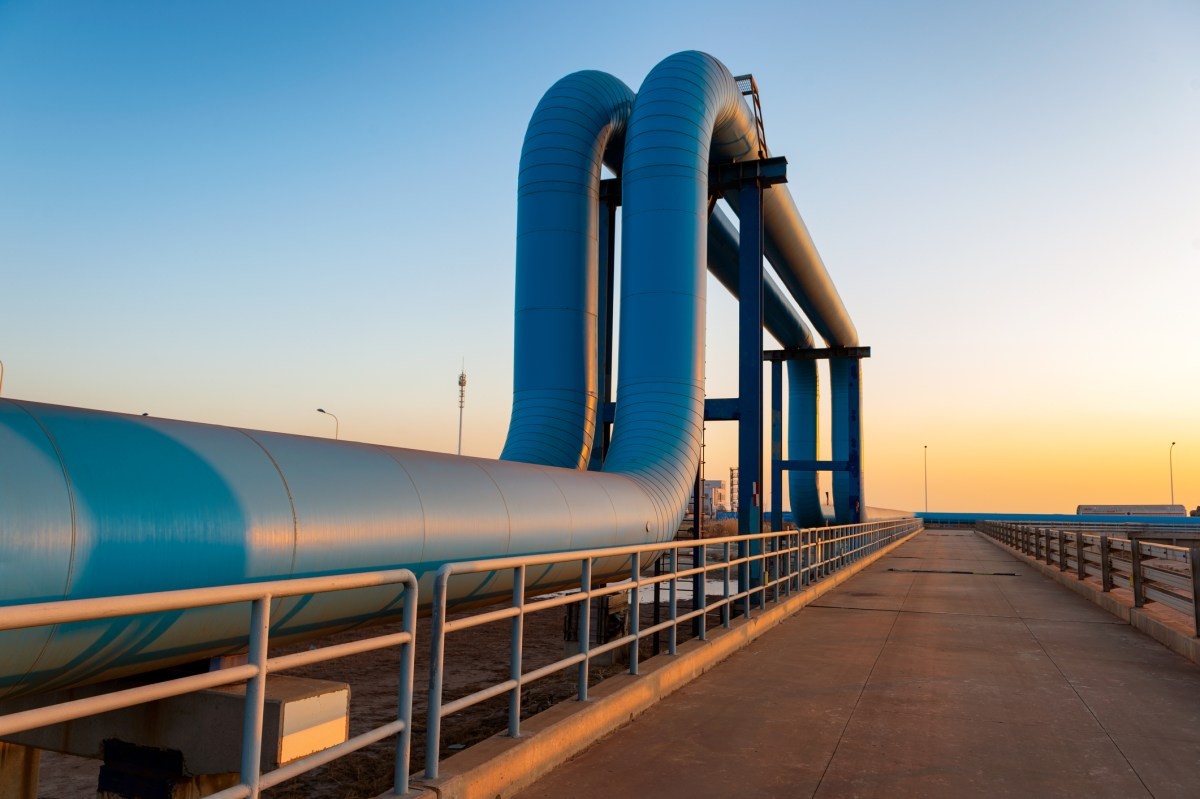
Artificial intelligence (AI) development is driving an unprecedented surge in demand for natural gas, as tech giants race to secure power for their massive data centers. This trend, driven by fear of missing out (FOMO), is leading to aggressive investments in natural gas infrastructure, raising concerns about long-term sustainability and potential economic repercussions.
The Race for Power
Companies like Microsoft, Google, and Meta are rapidly building or expanding natural gas power plants to fuel their AI operations. Microsoft is partnering with Chevron and Engine No. 1 for a 5-gigawatt plant in West Texas, while Google is collaborating with Crusoe on a 933 MW facility in North Texas. Meta is adding seven new natural gas plants to its Hyperion data center in Louisiana, bringing its total capacity to 7.46 GW—enough to power an entire state.
This concentrated investment in the southern U.S., where abundant natural gas reserves exist, underscores the urgency of securing a reliable energy source. The U.S. Geological Survey estimates that one region alone holds enough natural gas to supply the entire nation for nearly 10 months.
Supply Chain Strain and Rising Costs
The rapid expansion is already straining the supply chain for gas turbines, with prices expected to increase by 195% by the end of 2024 compared to 2019 levels. Delivery times for turbines have ballooned to six years, meaning companies are making long-term bets on natural gas remaining a viable energy solution.
This reliance assumes that AI’s energy demands will continue to grow exponentially and that natural gas will remain a necessary component of success in the AI era. However, this assumption may prove shortsighted.
Vulnerabilities in the Natural Gas Market
While the U.S. benefits from relatively stable natural gas supplies, production growth in key shale regions has slowed. Tech companies have not disclosed the specifics of their energy contracts, leaving them exposed to price fluctuations and potential disruptions.
Even with fixed-price contracts, tech giants could still drive up electricity costs by bypassing the public grid and connecting their plants directly to their data centers. This “behind-the-meter” approach only shifts the strain to the natural gas grid, potentially impacting other industries and consumers.
Risks Beyond Economics
The reliance on natural gas exposes tech companies to external shocks, such as severe weather events. A cold winter could overwhelm supplies, forcing difficult choices between powering data centers and heating homes. The 2021 Texas freeze serves as a stark reminder of this vulnerability.
Other industries, particularly those unable to transition to renewables, may resist tech companies hoarding a finite resource. Petrochemical plants, for instance, cannot easily switch to wind or solar.
The Long-Term Outlook
Tech companies are betting that AI’s growth will justify this reliance on natural gas. However, the finite nature of the resource and the potential for disruptions raise serious questions about the sustainability of this strategy. The AI rush has exposed the physical limitations of the digital world, and the long-term consequences of this energy gamble remain uncertain.
Ultimately, tech companies may come to regret prioritizing short-term gains over a more sustainable energy future.