


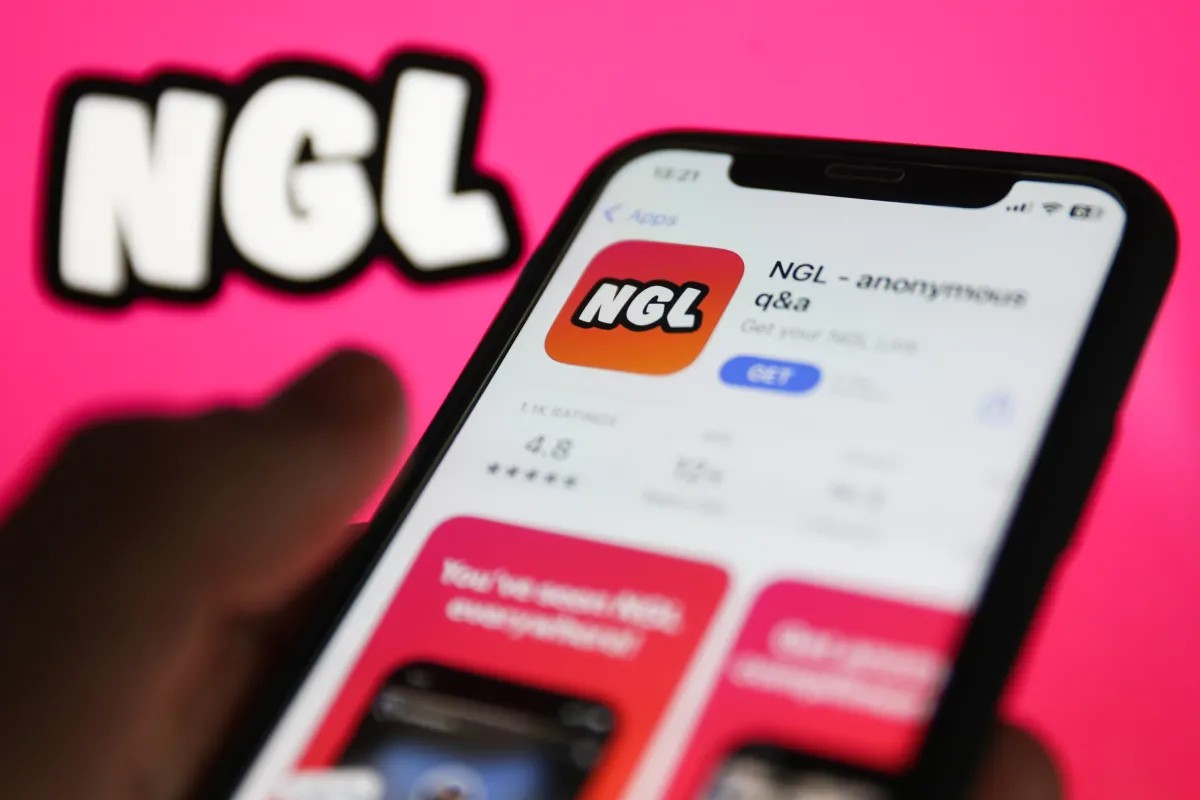
The anonymous messaging app NGL, notorious for its controversial practices, has been acquired by Mode Mobile, a company that monetizes user attention through aggressive mobile advertising. The deal marks another chapter in NGL’s turbulent history, which has included deceptive marketing tactics, regulatory scrutiny, and allegations of facilitating cyberbullying.
Controversial Rise and Regulatory Backlash
NGL gained rapid popularity in 2021 by allowing teenagers to send anonymous messages, a feature that quickly became associated with harassment and predatory behavior. Snapchat banned the app and similar platforms in 2022 after a lawsuit linked one to a teen suicide. The Federal Trade Commission (FTC) later investigated NGL for misleading users into paying for fake message hints, eventually imposing a $5 million fine and restricting access for minors.
“NGL’s bait-and-switch tactic prompted many consumers to complain, which NGL executives laughed off, dismissing such users as ‘suckers’,” the FTC stated.
The FTC ban was one of the agency’s most aggressive interventions to shield young users from harmful social media experiences.
Mode Mobile’s Business Model: Paying Users to View Ads
Mode Mobile operates on a simple premise: it pays users small amounts of money for passively viewing ads and engaging with sponsored content on its “EarnPhone.” The company’s revenue comes from “digital advertising partners” who pay for user attention. This model essentially turns the smartphone into a micro-earnings machine, though the financial rewards are modest.
The acquisition of NGL fits Mode Mobile’s strategy of maximizing user engagement, even if that engagement involves controversial or potentially harmful practices. The founders of NGL are stepping down, but its remaining employees will continue working under Mode Mobile.
Implications and Future Outlook
The sale of NGL to Mode Mobile suggests a shift towards monetization over ethical considerations. Anonymous messaging apps like NGL thrive on unchecked interactions, making them vulnerable to abuse. Pairing this model with an ad-driven smartphone platform could amplify the risks while generating revenue.
The FTC’s previous restrictions on NGL may limit Mode Mobile’s immediate expansion, but the company is likely to explore loopholes or adapt its strategies to avoid further regulatory action. This acquisition highlights the ongoing tension between user privacy, platform responsibility, and the relentless pursuit of profit in the tech industry.
Ultimately, the future of NGL under Mode Mobile remains uncertain, but one thing is clear: the app’s legacy of controversy will likely continue.


