CES 2026 showcased a torrent of innovations, yet a few devices rose above the noise to capture widespread attention. These weren’t necessarily the best products—judged by awards—but the ones that sparked the most interest on CNET’s platform. From practical home appliances to controversial AI companions, these five stood out.
Faster Laundry with LG’s Combo Washer-Dryer
LG’s latest Signature ventless washer-dryer combo became a viral hit at CES by solving a common frustration: slow drying times. Previous hybrid models often took over two hours to complete a full wash-dry cycle. LG’s new machine delivers clean, dry clothes in under 90 minutes—a significant upgrade for convenience and space-saving.
The Rise of AI Companionship: Lovense’s Emily
Lovense’s Emily, a sex robot, wasn’t just a popular product; it ignited debate. Unlike previous iterations, Emily was presented not as a sex toy, but as part of an evolving AI ecosystem designed to learn and simulate emotional connection. This framing shifted the conversation beyond hardware into more uncomfortable territory: AI companionship, emotional dependency, and the blurring line between interaction and attachment.
Solid-State Battery Breakthroughs by Donut Labs
Solid-state battery technology remains a high-interest area, and Donut Labs delivered a highly anticipated announcement. Their new design promises significant improvements over lithium-ion batteries—lighter weight, higher energy density, faster charging, and enhanced safety. This could be a critical step toward more efficient and reliable power sources in various devices.
The Laundry-Folding Robot: A Step Closer to Automation
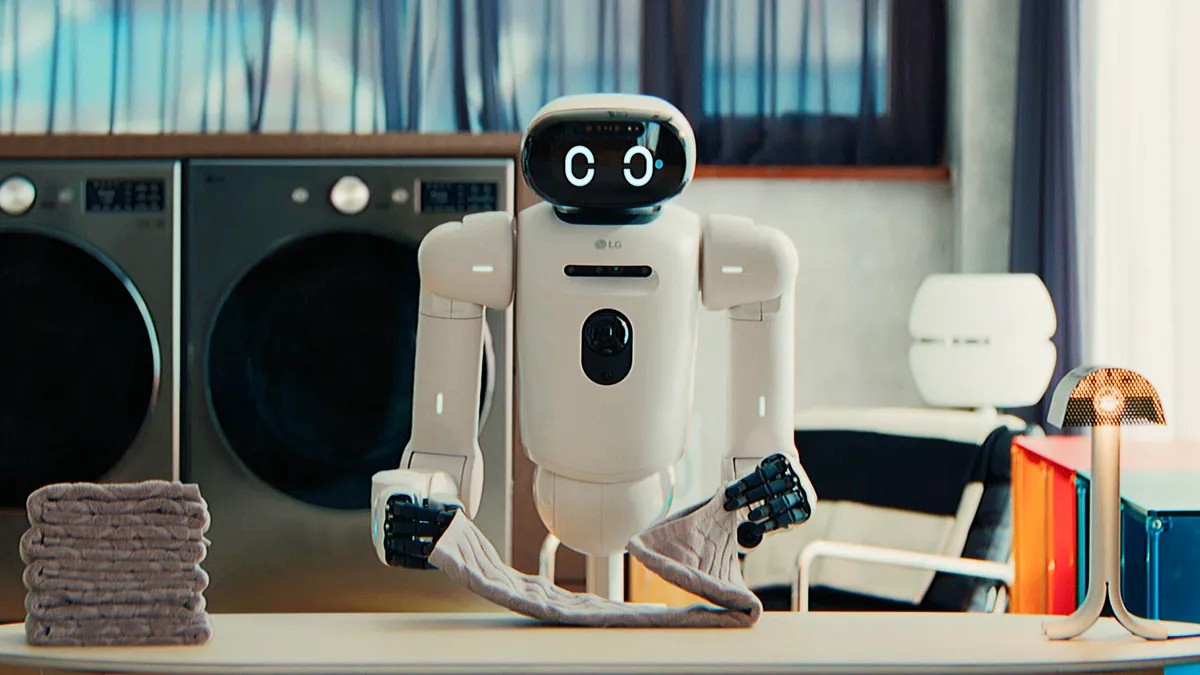
For years, automated laundry folding felt like science fiction. LG’s CLOiD robot changed that perception, though at a slow pace. While still imperfect, the robot demonstrated that fully automated laundry care is becoming increasingly viable. The question now isn’t just can a robot fold clothes, but when will it also handle other household chores?
Immersive Wearable Displays: TLC’s Rayneo Glasses
TLC’s Rayneo display glasses stood out because they addressed a key drawback of previous wearable displays: bulkiness. The new glasses offer improved resolution, higher pixel density, and more vivid colors, resulting in sharper, more immersive viewing experiences. This represents a step forward in making wearable displays more practical and appealing for everyday use.
In conclusion: CES 2026 demonstrated that consumer interest isn’t always driven by revolutionary tech. Sometimes it’s about solving everyday problems or pushing boundaries in controversial but fascinating fields. These five products highlight the balance between practicality, novelty, and the evolving relationship between humans and technology.