June 8 hits. Apple’s WWDC arrives. And yes, the headlines are obsessed with Siri.
Everyone expects the voice assistant to get its biggest revamp since inception. Deep AI integration, smarter replies, the works. It’s supposed to save the day after years of mediocrity.
But while the tech press fixates on the mouth of Siri, WatchOS 27 will quietly slide under the radar.
Good.
WatchOS 27 isn’t going to be flashy. Last year we got WatchOS 26. They skipped 13-12 and just renamed it to match the broader ecosystem shift. It came with Liquid Glass visuals and that nifty Workout Buddy feature. It works. Sometimes. When you’re running and your legs feel like jelly, hearing “This is your fastest mile yet” in your ear is weirdly motivating.
This year? Less dazzle. More polish.
Mark Gurman says Apple is tweaking heart-rate sensors and squeezing every last drop out of the battery. Maybe we finally get the Modular Ultra watch face on the standard models. You know the one. The one that covers every pixel with stats because you refuse to let dead space exist.
It’s iterative.
Boring? Sure. But if the new Siri intelligence actually leaks into the Watch software, we might see something better than just a faster chatbot.
The future isn’t a conversational assistant on a 45mm screen. It’s a voice in your head telling you to slow down before you spike your heart rate.
I’ve used Gemini on my wearable. I’ll take a direct answer any day over being handed a URL I have no intention of tapping. A tiny screen is terrible for web links. Siri needs to be smart without forcing me to browse the internet while I’m walking.
But here is what I really don’t want.
Don’t give me a subscription chatbot hiding inside the Health app.
It’s already saturated. Oura has its Advisor. Whoop has its Coach. Google is shoehorning Gemini into Fitbit. They all take your raw numbers, spit out some vague advice about sleep or recovery, and charge you monthly. And they all rely on your phone being the middleman.
Apple was rumored to have Project Mulberry. A sleek, standalone AI health app. Gurman now says that got scaled back. Parts of it are bleeding into the Health app later this year.
Maybe that’s a relief.
If Mulberry becomes just another text-based therapist for your steps, Apple joins the crowded, underwhelming pile of AI wellness influencers. None of them are magic. Google’s coach builds a solid training plan until the moment you actually start exercising. Then you’re on your own.
Apple can do the hard part. Real-time context.
Imagine this: You’re mid-workout. Your heart rate climbs. Siri—through your AirPods—doesn’t ask you if you want a summary. It says, “Pace up. You’re drifting off your zone. Breathe.”
It’s not a suggestion. It’s coaching.
Apple built Fitness Plus around real trainers. Real voices. Real personalities. When they launched Workout Buddy, they trained the voice models on those actual Fitness Plus coaches. They didn’t pick a generic Siri clone. They picked people who sound like they care.
The hardware is ready. The data collection is ready. The biometrics are already there. All WatchOS 27 needs to do is connect the dots.
One thing remains. Privacy.
Apple sells its privacy moat hard. With AI coming closer to the metal, we’ll need to trust that Private Cloud Compute is doing what it promises. You won’t want your raw heart-rate variability data flying to a server somewhere unless you absolutely have to know why your AI thinks you’re tired.
There’s a bigger hurdle though.
The battery.
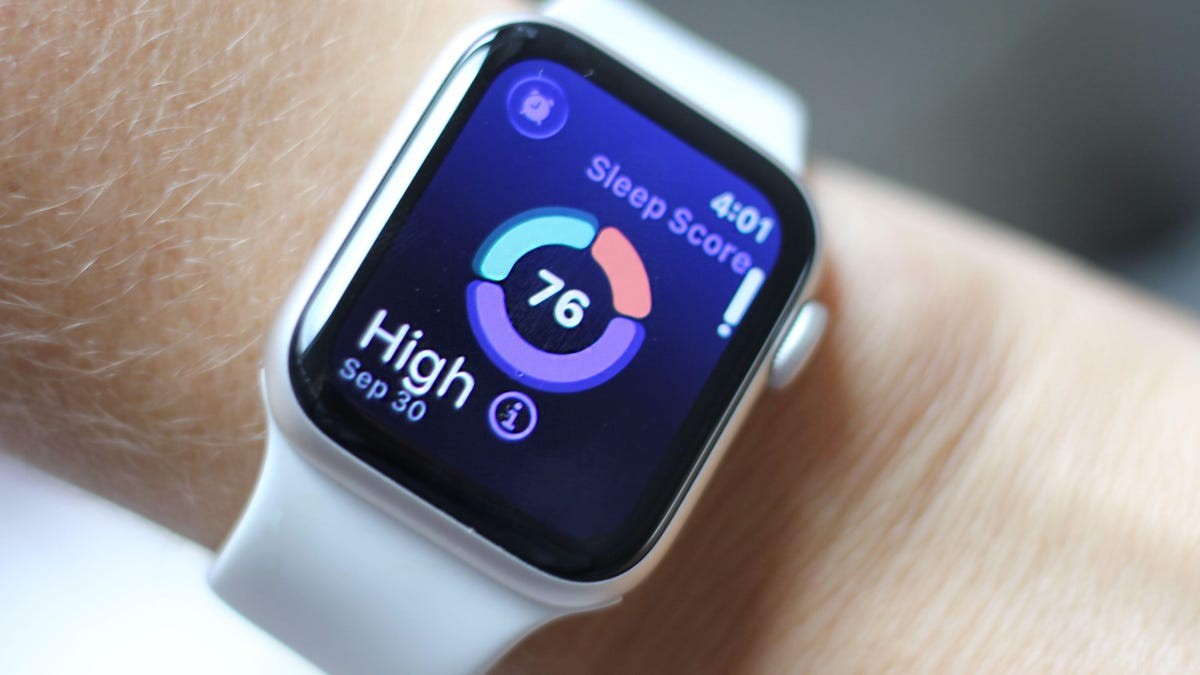
A coach is useless if it doesn’t know your baseline. And the baseline is set while you sleep. Recovery metrics, overnight temperature, resting HRV. This data is king.
Apple Watch dies every night.
You plug it in. The data gap opens up. One missed night skews your entire recovery score for the week. That’s why athletes still wear Garmin for recovery or grab a Oura Ring. Wearables like Fitbit’s screenless trackers or Whoop last weeks. The Apple Watch lasts a day.
Software tweaks help. They don’t solve the physics.
We keep hoping for a ring. Or a screenless companion device. Something small and passive to wear while the heavy hitter charges. Apple isn’t releasing a ring this year. But the hole in the product line is screaming for a plug.
So WatchOS 27 comes down to this. Can Apple make a coach you actually trust? One that speaks when it counts, listens to the right sensors, and maybe—just maybe—figures out how to keep working while you’re dreaming?