The technology landscape is shifting rapidly. As we move into 2026, several key trends are poised to reshape how we interact with devices, from smartphones to robots. Artificial intelligence remains dominant, but emerging areas like foldable phones and humanoid robotics are gaining traction. Here’s a breakdown of what to expect.
The AI Revolution Continues (But AGI Remains Distant)
AI is now woven into almost every product, even if consumers don’t always realize it. While major companies like Google, OpenAI, and Anthropic have made significant strides in AI development, the pursuit of artificial general intelligence (AGI) – an AI with human-level cognitive abilities – remains elusive.
Despite billions invested, true AGI is not imminent. OpenAI’s latest models have underwhelmed many experts, and skepticism persists about whether large-language models can ever achieve genuine intelligence. Expect continued incremental improvements in AI capabilities, but don’t anticipate a breakthrough in 2026.
Foldable Phones: From Niche to Mainstream
Foldable smartphones are no longer experimental. Devices like the Motorola Razr Ultra and Samsung Galaxy Z Fold series have addressed early reliability issues. The real game-changer? Apple is widely expected to release an iPhone Fold in 2026. If Apple enters the market, foldables could quickly move from a luxury segment to a mainstream option. The Samsung Galaxy TriFold is also on the horizon, further solidifying this trend.
The Rise of Consumer Robotics
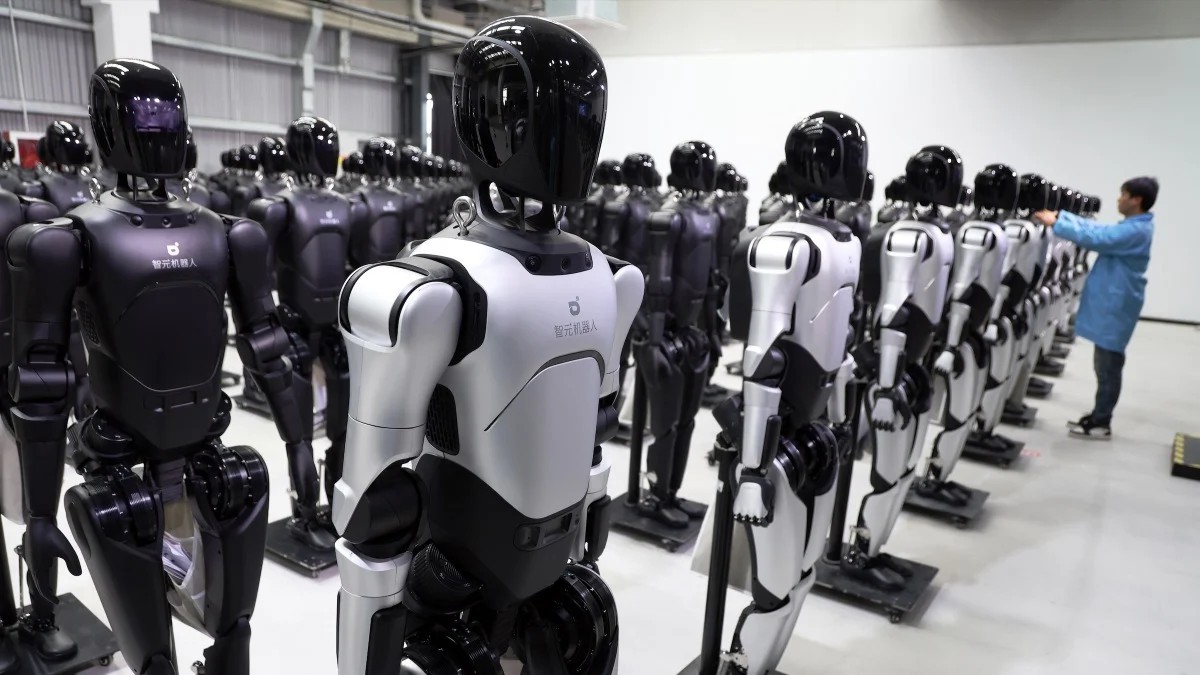
Humanoid robots are moving beyond labs and prototypes. Companies like Tesla and 1X are preparing to release consumer-grade robots – though practical applications remain limited. The appeal of these machines is partly psychological; people seem drawn to anthropomorphic designs, even if they aren’t the most efficient.
AI will play a crucial role in improving robot interactions. Advanced computer vision and language models will enable robots to respond more naturally to human commands. Expect to see more demonstrations at tech events like CES 2026, but widespread adoption is still years away.
Smart Glasses: The Next Failed Promise?
Smart glasses, like Meta’s Ray-Ban Display, are gaining traction with some Silicon Valley leaders. However, widespread consumer adoption is uncertain. Many people remain uncomfortable with the privacy implications of always-on cameras and microphones. The failure of Google Glass serves as a cautionary tale. Younger generations might be more accepting, but a cultural shift is needed for smart glasses to become commonplace.
Apple’s Rebuilding Phase
Apple is facing headwinds. Recent product releases – including the iPhone Air, M5-powered devices, and Vision Pro – have failed to generate the same excitement as competitors’ offerings. Samsung, Xiaomi, and other brands are pushing innovation faster. Apple needs to regain its edge in foldable phones and AI. While a foldable iPhone is expected in 2026, the company is currently in a period of incremental updates rather than revolutionary change.
The Price of Progress: Increasing Costs
Inflation and supply chain issues, particularly in memory components, are driving up prices for laptops and smartphones. Samsung is reportedly doubling the cost of DDR5 RAM, impacting the entire industry. Consumers can expect to pay more for even modest upgrades. The AI industry’s demand for computing power is exacerbating the shortage, making components scarcer and more expensive.
AI in Advertising: The Inevitable Takeover
Generative AI is already infiltrating advertising. Major brands like McDonald’s, Coca-Cola, and the NFL have experimented with AI-generated commercials. This trend will accelerate as AI video models improve. While creative professionals protest the use of AI in filmmaking, cost-cutting and efficiency gains make it difficult for companies to resist. Expect more AI-driven content in 2026, whether we like it or not.
In conclusion: 2026 will be defined by the continued dominance of AI, the rise of foldable devices, and the gradual emergence of consumer robotics. Despite hype around AGI, true artificial intelligence remains distant, while practical applications of existing AI technologies will become more widespread. The tech industry is entering an era of iterative improvements and escalating costs, with Apple facing pressure to regain its innovative edge.